

Picture a next generation data center: a digital fortress buzzing with 24/7 energy, where data flows like a river and downtime belongs in history books. Businesses crave speed, security, and sustainability, and the next generation data center delivers on all fronts. Why does this matter? The global market for these next generation data centers is booming, jumping from US$32.1 billion to US$75.2 billion by 2032. Modern, next generation data centers slash waste, boost efficiency, and even sip energy from renewables. Companies want a fully operational next generation data center with zero interruptions. LETON POWER steps in, keeping the lights on and the bytes flying.
Key Takeaways
- Next generation data centers are transforming the digital landscape with speed, security, and sustainability.
- Agility allows these data centers to adapt quickly to changing business needs, enabling rapid deployment of new applications.
- Resilience ensures continuous operations with redundant systems and proactive monitoring, minimizing downtime.
- Intelligent management through automation and machine learning optimizes performance and resource allocation.
- Modern infrastructure supports high-density computing and energy-efficient designs, reducing overall energy consumption.
- Next generation data centers utilize advanced technologies like software-defined networking and predictive analytics for enhanced efficiency.
- Sustainability is a priority, with many data centers integrating renewable energy sources and smart cooling solutions.
- Investing in next generation data centers can lead to significant cost savings and improved operational efficiency.
What is a next generation data center
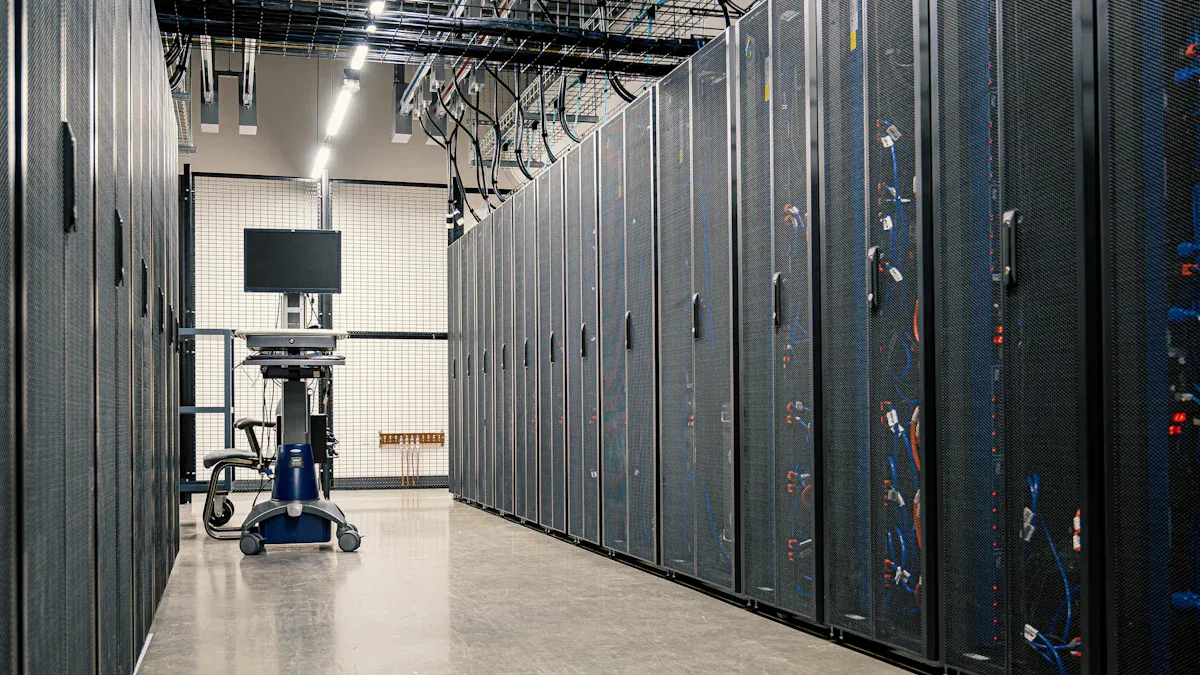
Imagine a digital blueprint so advanced, it feels like stepping into the future. The next generation data center is not just a room full of humming servers. It is a living, breathing ecosystem designed to handle the wild demands of modern business. This is where technology meets imagination, and the result is pure magic for IT teams and business leaders alike.
Core Principles
Agility
Agility is the secret sauce. Next generation data center facilities can pivot faster than a cat chasing a laser pointer. Need more storage? Done. Want to deploy a new app? Blink and it is live. These centers use software-defined control, automation, and machine learning to adapt on the fly. No more waiting weeks for upgrades. The digital blueprint allows customization beyond hardware limitations, so businesses can chase trends without tripping over outdated systems.
Resilience
Resilience is the backbone. Next generation data center operations never flinch, even when chaos strikes. Redundant systems stand guard, ready to leap into action if something goes wrong. Proactive monitoring keeps an eye on every nook and cranny. Reliability and redundancy ensure that downtime becomes a myth. Efficiency shines through optimized airflow and power-efficient hardware. Security is not just a buzzword—it is a multi-layered fortress.
Next generation data centers are designed for modern AI workloads, emphasizing high performance, flexibility, and energy efficiency. They integrate renewable energy sources, advanced energy management systems, and modular growth capabilities, contrasting with traditional data centers that struggle with outdated infrastructure and fixed expansion phases.
Key Features
Intelligent Management
Intelligent management is the brain behind the brawn. Automation and software-defined infrastructure take center stage, making manual tasks a thing of the past. Machine learning adapts performance based on real-time data. Predictive analytics spot trouble before it starts. Smart energy management systems dynamically allocate resources, keeping everything running smoothly.
| Characteristic/Principle | Description |
|---|---|
| Software-defined control | Utilizes software-defined technologies for better management of resources. |
| Automation | Focuses on streamlining workflows and reducing manual tasks for increased efficiency. |
| Machine learning | Employs machine learning to adapt performance based on real-time data. |
| Greater flexibility | Allows customization to meet diverse needs beyond hardware limitations. |
| Higher security | Enhances security through improved software controls and resilient architecture. |
| Better performance | Achieves superior performance through dynamic resource allocation and reduced system complexity. |
| Lower costs | Results in reduced total costs while maintaining performance and reliability. |
Modern Infrastructure
Modern infrastructure is the muscle. High-density computing packs more power into less space. Blade servers and hyper-converged systems handle AI workloads with ease. Energy-efficient design uses liquid cooling and optimized power management to slash energy consumption. Enhanced reliability and security features include built-in fault tolerance and disaster recovery mechanisms.
| Feature | Description |
|---|---|
| Automation and Software-Defined Infrastructure | Enhanced agility through automated provisioning and software-defined networking/storage. |
| High-Density Computing | Advanced hardware solutions such as blade servers, hyper-converged infrastructure, and accelerated computing tailored for AI workloads. |
| Energy-Efficient Design | Modern cooling solutions like liquid cooling and optimized power management significantly reduce energy consumption. |
| Enhanced Reliability & Security | Built-in fault tolerance, disaster recovery mechanisms, and state-of-the-art cybersecurity measures. |
The electricity demand from AI data centers makes up 24% of the entire server electricity demand, indicating a significant shift in energy requirements compared to traditional data centers.
AI data centers utilize smart energy management systems that dynamically allocate resources based on real-time data, unlike traditional centers that rely on fixed, centralized power sources, leading to inefficiencies.
- Reliability and redundancy keep operations steady.
- Modularity allows flexible design and easy expansion.
- Scalability and flexibility support business growth.
- Efficiency reduces energy consumption and boosts performance.
- Security protects assets with multi-layered defenses.
- Sustainability lowers the carbon footprint with renewable energy and smart design.
Next generation data center facilities stand apart from their traditional ancestors. Old-school centers rely on fixed expansion phases and centralized power. Next-gen data centers thrive on modular growth, smart energy management, and adaptability. Modern data centers sip energy from renewables and use advanced cooling to keep things chill. The result? Lower costs, higher performance, and a future-proof foundation for every digital adventure.
Technologies in next-gen data centers
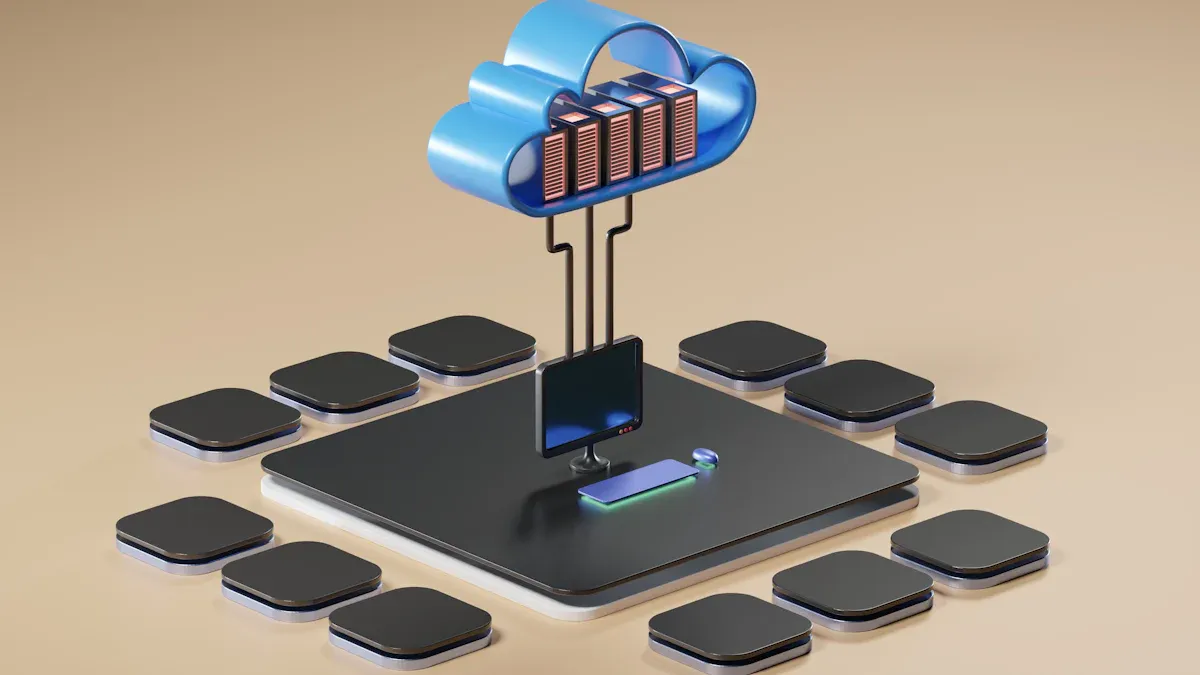
Welcome to the engine room of the future! Next generation data centers don’t just hum—they roar with advanced technology. Let’s peek under the hood and see what makes these digital powerhouses tick.
Software-Defined Infrastructure
The old days of plugging in cables and wrestling with hardware are fading fast. Now, software calls the shots.
SDN
Software-Defined Networking (SDN) acts like a traffic cop for data. It directs information where it needs to go, using smart rules instead of tangled wires. Imagine a city where every traffic light knows exactly when to turn green—SDN brings that kind of order to data center technology. This approach means you can reroute traffic, block threats, or open new lanes with a few clicks. No more waiting for someone to crawl behind a server rack!
SDS
Software-Defined Storage (SDS) is the magician of the storage world. It takes all the physical drives and blends them into one big pool. Need more space? SDS stretches to fit. Want to move data from one cloud to another? SDS makes it happen in a snap. This flexibility lets businesses support both old-school apps and shiny new cloud services without breaking a sweat.
Software-defined data centers virtualize everything. Automated software systems manage the show, making it easy to scale up or down. Centralized control means resources can be pooled and shifted on demand. That’s agility in action.
Automation & AI Integration
Robots aren’t just for sci-fi movies anymore. In next-gen data centers, automation and artificial intelligence run the show.
Predictive Analytics
Predictive analytics is like having a crystal ball for your servers. It spots trouble before it starts. If a piece of equipment looks tired, the system sends a heads-up. Maintenance teams swoop in before anything breaks. This keeps downtime at bay and saves money.
Real-Time Monitoring
Real-time monitoring watches everything, everywhere, all at once. Sensors and AI-powered platforms track energy use, temperature, and performance. If something goes off-script, the system reacts instantly. This highly efficient ai infrastructure means fewer surprises and smoother operations.
- AI distributes workloads smartly.
- Automation handles routine tasks.
- Human experts focus on big-picture strategy.
Edge & Hybrid Cloud
The future isn’t just in one place—it’s everywhere.
Distributed Architecture
Edge computing brings data processing closer to where it’s needed. Think of it as setting up mini data centers right next to your smart devices. This reduces delays and boosts speed, which is perfect for things like self-driving cars or smart factories. Hybrid cloud setups mix local hardware with cloud services, giving businesses the best of both worlds.
On-Site Renewables
On-site renewables are the green superheroes of advanced technology. Solar panels and wind turbines feed clean energy straight into the data center. Battery systems store extra power for rainy days. This approach slashes emissions and keeps the lights on, even during a storm.
Edge and hybrid cloud solutions make data centers more adaptable. They support instant data processing, smooth app exchanges, and lightning-fast connections—especially with 5G in the mix.
Next generation data centers thrive on advanced technology, blending software, automation, and green energy. The result? A digital ecosystem that’s fast, flexible, and ready for anything.
Comparing next generation data center vs. traditional
Infrastructure Differences
Physical vs. Virtual
Step into a traditional data center and you might see rows of blinking servers, humming air conditioners, and a maze of cables. It feels like a high-tech warehouse. Next generation data centers, on the other hand, look more like digital playgrounds. Physical machines still exist, but virtual layers run the show. Software creates virtual networks and storage, making everything flexible. The old model relies on centralized facilities, while the new model spreads out across the globe. Data travels faster, and users get what they need in a flash.
Here’s a quick look at how the two stack up:
| Aspect | Centralized Datacenter Providers | Decentralized Infrastructure Data Centers |
|---|---|---|
| Architecture | Large-scale facilities managed by centralized operators | Distributed network of independent nodes |
| Location | Strategically placed in energy-efficient regions | Spread globally near users |
| Performance | Consistent enterprise-grade performance | Varies based on node reliability |
| Latency | Higher due to distance from users | Very low, ideal for edge applications |
| Scalability | Vertically scalable | Horizontally scalable through network expansion |
| Compliance | Certified to Tier 3 or higher | May lack standardized compliance |
| Cost Efficiency | Predictable pricing | Often cheaper due to resource sharing |
| Use Cases | AI training, enterprise cloud | Edge analytics, distributed computing experiments |
Scalability
Traditional data centers grow by stacking more hardware in one place. It’s like building a taller tower. Next generation data centers expand sideways, adding new nodes wherever needed. This horizontal growth means businesses can scale up or down without breaking a sweat. Need more power for a viral app? Just add more virtual machines. The flexibility is unmatched.
Operations & Management
Manual vs. Automated
Old-school data centers depend on human hands. Technicians walk the aisles, checking cables and swapping out parts. Next generation data centers prefer robots and smart software. Automation handles routine tasks, and artificial intelligence predicts problems before they happen. This shift frees up experts to focus on strategy instead of troubleshooting. The result? Fewer mistakes, faster fixes, and happier teams.
Security Approaches
Security stands as the ultimate guardian in both worlds. Traditional centers rely on locked doors, firewalls, and regular audits. Next generation data centers take security to new heights. They use real-time monitoring, machine learning, and multi-layered defenses. Automated systems spot threats and respond instantly. Encryption protects data as it moves across virtual networks. Security adapts to new risks, keeping digital assets safe from cyber villains.
Cost & Efficiency
Energy Use
Traditional data centers gobble up electricity. Cooling systems work overtime, and servers run hot. Next generation data centers use smarter cooling, renewable energy, and efficient hardware. AI servers in modern centers consume 3,000 to 5,000+ watts, while older models use just 300 to 500 watts. The scale is massive. In the U.S., next generation data centers use 325 TWh of electricity. Globally, they could reach 945 TWh by 2030. The numbers sound huge, but advanced energy management keeps costs in check.
| Category | Traditional Data Centers | Next Generation Data Centers |
|---|---|---|
| Electricity Cost Percentage | 20-30% | N/A |
| AI Server Power Consumption | 300-500 watts | 3,000-5,000+ watts |
| ChatGPT Query Consumption | 0.0003 kWh | 0.3-0.34 watt-hours |
| U.S. Electricity Consumption | N/A | 325 TWh (conservative) |
| Global Electricity Consumption | N/A | 945 TWh by 2030 |
Operational Expenses
Running a traditional data center feels like paying for a luxury car that needs constant repairs. Maintenance, upgrades, and energy bills pile up. Next generation data centers cut costs with automation, efficient cooling, and resource sharing. Predictable pricing makes budgeting easier. Businesses save money and get better performance. Security improvements also reduce the risk of expensive breaches.
Next generation data centers transform the way businesses use technology. They offer speed, flexibility, and top-notch security, all while keeping costs under control.
Benefits of next generation data center
Flexibility & Scalability
Rapid Deployment
Imagine launching a new app or service and watching it go live in days, not months. Next generation data centers make this possible. They use modular designs and software-defined tools that let teams spin up new resources at lightning speed. No more waiting for hardware shipments or endless cabling. The digital world moves fast, and these data centers keep up with every twist and turn.
A quick look at what sets them apart:
| Characteristic | Description |
|---|---|
| Horizontal Scaling | Capacity and performance grow without disruption, perfect for expanding datasets and sudden surges. |
| Software-Defined Control | Centralized management across diverse infrastructures, boosting flexibility in large environments. |
| Cloud-Native Integration | Dynamic scaling and seamless integration with containerized environments through APIs. |
| Performance Optimization | Advanced caching and parallel processing for low latency data access and better performance. |
This table shows how next generation data centers deliver greater flexibility. Businesses can scale up or down as needed, without breaking a sweat. The result? Rapid deployment that matches the speed of modern business.
Dynamic Allocation
Picture a data center that acts like a traffic cop, directing resources exactly where they are needed. Dynamic resource allocation means workloads get the power and storage they need, right when they need it. No more wasted capacity or bottlenecks. The system adapts in real time, shifting gears as demand changes. This keeps everything running smoothly, even during unexpected spikes.
Next generation data centers thrive on flexibility. They let businesses chase new opportunities, handle unpredictable workloads, and stay ahead of the competition.
Security & Compliance
Threat Detection
Cyber threats never sleep, but neither do next generation data centers. These digital fortresses use AI and automation to sniff out trouble before it starts. Real-time monitoring scans for suspicious activity, while smart algorithms hunt for anomalies. If something looks off, the system jumps into action—no coffee breaks required.
- Comprehensive risk management strategies identify and patch vulnerabilities.
- AI-driven systems analyze anomalies and launch countermeasures before attacks can spread.
- Automation reduces human error, making compliance management more reliable.
- Real-time detection keeps threats from slipping through the cracks.
Regulatory Adaptability
Regulations change faster than fashion trends. Next generation data centers keep up with every new rule. They support regular scenario analyses and stress tests to prove resilience against cyber threats. Financial institutions can report incidents quickly, staying accountable and transparent. IT service providers meet strict requirements, like those set by DORA, without breaking a sweat.
- AI and automation boost efficiency and accuracy in compliance management.
- These technologies enable real-time threat detection and response.
- Regular stress tests ensure systems stay resilient, even under pressure.
Next generation data centers make security and compliance feel less like a chore and more like a superpower.
Performance & Reliability
High Availability
Downtime is the villain in every tech story. Next generation data centers turn the tables with high availability. They use redundant systems, smart failover, and predictive maintenance to keep everything running. If one part fails, another steps in instantly. Users barely notice a hiccup.
Let’s compare how these centers stack up against traditional facilities:
| Metric | Next-Generation Data Centers | Traditional Facilities |
|---|---|---|
| Total Cost of Ownership (TCO) | Better TCO, less risk, longer equipment life | Higher costs, less optimized |
| Power Usage Effectiveness (PUE) | Optimized for efficiency | Less focus on optimization |
| Carbon Usage Effectiveness (CUE) | Central to valuation | Not prioritized |
| Water Usage Effectiveness (WUE) | Closely tracked | Secondary consideration |
| Renewable Energy Factor (REF) | High percentage of renewables | Rarely measured |
| Reliability Metrics | Focus on uptime, especially in new markets | Less emphasis on reliability |
| Regional Adaptation | Metrics tailored to local needs | Standardized, less flexible |
This table highlights the better performance and reliability of next generation data centers. They focus on uptime, efficiency, and sustainability, making them the heroes of the digital age.
Disaster Recovery
Disasters strike when least expected. Next generation data centers prepare for the worst. They use automated backups, real-time replication, and instant failover to protect data. If a server room floods or a power outage hits, operations keep rolling. Business continuity plans kick in, and recovery happens in minutes, not days.
With these features, next generation data centers turn chaos into calm. They keep businesses online, no matter what the world throws their way.
Cost Efficiency
Reduced Overhead
Picture a data center as a hungry beast. It gobbles up electricity, slurps down cooling, and munches on maintenance bills. Next generation data centers put this beast on a diet. They use smart cooling systems that know when to chill out and when to relax. The result? Modernized data centers can slash energy costs by up to 40%. That’s like turning off the air conditioner in winter—savings everywhere!
AI-driven cooling optimization steps in like a weather wizard. It tweaks temperatures and airflow, making sure every server stays cool without wasting a single watt. This clever trick can drop Power Usage Effectiveness (PUE) by 15%. Lower PUE means less money spent on keeping things frosty and more cash for innovation.
Let’s break it down:
- Smart cooling systems cut energy bills.
- AI keeps the temperature just right.
- Less wasted power means more money in your pocket.
Note: Organizations that modernize their data centers often see up to 180% return on investment within three years. That’s not magic—it’s just smart business.
Optimized Resources
Next generation data centers don’t just save money—they make every dollar work harder. Imagine a team of digital superheroes, each one assigned to the perfect task. Automation and intelligent management tools shuffle workloads, balance resources, and prevent bottlenecks. No more idle servers twiddling their thumbs. Every piece of hardware pulls its weight.
Here’s how these centers turn chaos into order:
| Feature | Traditional Data Center | Next Generation Data Center |
|---|---|---|
| Resource Allocation | Manual, often wasteful | Automated, highly efficient |
| Energy Consumption | High | Significantly reduced |
| ROI | Slow | Up to 180% in 3 years |
Dynamic allocation means resources shift in real time. Need more power for a big project? The system delivers. Traffic slows down? Resources scale back. This flexibility keeps costs low and performance high.
- Automation eliminates waste.
- Intelligent management maximizes every watt and byte.
- Businesses get more value from every investment.
Next generation data centers don’t just cut costs—they turn efficiency into an art form. The result? Leaner operations, fatter wallets, and a future that’s ready for anything.
Powering next-gen data centers: LETON POWER and more
Next generation data centers need more than just blinking lights and fancy servers—they need power that never quits. Enter LETON POWER, a powerhouse from China, famous for building diesel generator sets that keep data centers running, rain or shine. LETON POWER’s secret sauce? Legendary engines from Cummins and Perkins, plus customizable options like Weichai, Isuzu, and Kubota. For mission-critical data centers, their diesel gensets often feature Dongfeng Cummins and Weichai engines, blending reliability with wallet-friendly pricing. Quality is never an afterthought—LETON delivers factory-direct excellence trusted worldwide.
Unwavering Reliability
Zero Downtime
Downtime is the villain every data center dreads. LETON POWER fights back with robust backup systems and engineered redundancy. Their generators leap into action the instant the grid hiccups. Even a split-second power blip can cause chaos, especially with AI workloads demanding up to 120 kW per rack. LETON’s solutions keep the bytes flowing and the lights on, no matter what.
Data centers demand high power stability. Power disruptions are the top cause of outages, costing businesses dearly. LETON POWER’s focus on zero downtime means peace of mind for IT teams and CFOs alike.
Lifecycle Support
LETON POWER doesn’t just drop off a generator and wave goodbye. Their team supports the entire lifecycle—from design and installation to 24/7 monitoring and maintenance. This hands-on approach means fewer surprises and more uptime. As electricity demand soars, especially during summer and winter peaks, LETON’s global expertise ensures your data center stays ahead of the curve.
Advanced Power Solutions
Diesel Gensets
LETON POWER’s diesel generator sets are the muscle behind the magic. With a power range from 15 kVA to 6,250 kVA, these units handle everything from small server rooms to hyperscale data fortresses. Dongfeng Cummins and Weichai engines power most data center gensets, offering a blend of performance and durability. LETON’s affordable pricing and guaranteed quality make them a favorite for businesses looking to stretch their budgets without sacrificing uptime.
Modular & Containerized Systems
Need to grow fast? LETON’s modular and containerized solutions let you stack power like building blocks. These space-saving units fit tight footprints and deploy in record time. Modular designs mean you can scale up as your data center grows, keeping energy use efficient and costs predictable.
| Feature | Description |
|---|---|
| Uninterrupted Uptime | Engineered redundancy and backup systems to minimize downtime. |
| Scalable Power | Modular and flexible solutions that grow with your data center needs. |
| Sustainability | Lower emissions and integration with renewable energy sources. |
| Resilience | Proven reliability to protect against grid instability and unexpected outages. |
Sustainability & Smart Microgrids
BESS Integration
Sustainability isn’t just a buzzword—it’s a business strategy. LETON POWER integrates Battery Energy Storage Systems (BESS) to store renewable energy and provide backup during outages. Smart microgrids let data centers tap into solar and wind, sometimes covering up to 80% of their energy needs with carbon-free sources. BESS smooths out the bumps, keeping operations steady even when the grid gets wobbly.
- Smart microgrids use intelligent forecasting to balance loads.
- BESS delivers backup power instantly, boosting reliability.
- Microgrids help cut demand charges, saving money and the planet.
Emission Control
LETON POWER’s commitment to clean energy shines through advanced emission controls and compatibility with renewable fuels like HVO. Their systems meet strict global standards, helping data centers shrink their carbon footprint. With features like direct-to-chip cooling and energy-efficient hardware, LETON’s solutions make sustainability simple—and smart.
Power availability shapes the future of data centers. LETON POWER’s reliable, scalable, and sustainable solutions keep your digital world spinning, no matter what the forecast says.
Industry impact & future trends
Sector Use Cases
Financial Services
Banks and traders love numbers, but they love uptime even more. In the world of finance, a single second of downtime can cost millions. Next generation data centers step in as the superheroes of Wall Street. They deliver Tier IV fault tolerance, which means the lights stay on even if disaster strikes. Regulators sleep better at night, knowing these centers meet strict compliance standards. The result? Transactions zip across the globe, and digital wallets never skip a beat.
Healthcare
Hospitals and clinics now run on data. Doctors check patient records on tablets, and surgeons use AI to plan operations. Next generation data centers keep this digital heartbeat strong. They offer secure storage for sensitive health data and help hospitals meet privacy laws. Digital health technologies thrive in this environment. Patients get faster diagnoses, and medical teams collaborate from anywhere. The future of healthcare looks bright—and very well connected.
E-commerce
Online shopping never sleeps. Customers expect instant answers, fast checkouts, and zero downtime. Next generation data centers power this 24/7 marketplace. They handle massive traffic spikes during sales and keep customer data safe. Omnichannel demand? No problem. These centers juggle orders from websites, apps, and even smart fridges. The result? Happy shoppers and booming businesses.
Here’s a quick look at how next generation data centers impact these industries:
| Industry Sector | Impact Description |
|---|---|
| Financial Services | Growing demand for Tier IV data centers to ensure maximum fault tolerance and regulatory compliance. |
| Healthcare | Increased adoption of digital health technologies and secure data center infrastructure for compliance. |
| E-commerce | Need for robust data center capabilities to support omnichannel demand and enhance customer experience. |
AI is shaking up every sector—finance, healthcare, education, and e-commerce—by crunching huge data sets and delivering smarter, faster services.
Future-Proofing
Sustainability Initiatives
Green is the new gold in the data center world. Operators now treat sustainability as a top KPI, not just a nice-to-have. Metrics like Power Usage Effectiveness (PUE) and Water Usage Effectiveness (WUE) get tracked and optimized. Data centers embrace renewables, natural gas, and even hydrogen fuel cells. Some experiment with small modular nuclear reactors and giant solar farms. Energy planning sits at the heart of every new build. Cooling systems evolve, using liquid and AI-powered thermal management to keep servers chill and energy bills low.
- Sustainability shifts from the sidelines to center stage.
- Operators measure and improve PUE and WUE.
- Diverse power sources—solar, wind, hydrogen—join the mix.
- Cooling tech gets smarter and greener.
AI-Driven Operations
AI isn’t just a buzzword—it’s the brains behind the operation. Next generation data centers use AI to predict failures, balance workloads, and optimize cooling. High-density AI workloads demand new strategies. Cooling becomes a secret weapon, with liquid systems and smart sensors keeping everything running smoothly. The future? Data centers that think for themselves, adapt on the fly, and turn every watt into business value.
- AI predicts problems before they happen.
- Workloads shift automatically for peak performance.
- Cooling transforms from a cost center to a strategic advantage.
The next wave of data centers will be smarter, greener, and ready for anything the digital world throws their way. 🌱🤖
Challenges in next generation data center adoption
The road to a next generation data center is not always a smooth ride. Sometimes, it feels like trying to upgrade a spaceship while it’s still flying. Let’s explore the biggest bumps on this journey.
Migration & Integration
Legacy Compatibility
Old systems love to stick around. They’re like that ancient fax machine in the corner—nobody uses it, but nobody dares unplug it. Migrating to a next generation data center means making sure these legacy systems play nice with shiny new tech. Compatibility issues can slow everything down. Teams must map out every piece of old hardware and software, then plan upgrades in phases. This careful approach keeps business running while the transformation happens.
Training Needs
A next generation data center runs on brains as much as it does on bytes. Talent shortages pop up when teams face automation, cloud-native tools, and new management platforms. Training becomes a must. Cross-training and upskilling help staff handle everything from software-defined networking to AI-powered monitoring. Without the right skills, even the best tech can turn into a digital paperweight.
Here’s a quick look at common migration challenges and smart strategies:
| Challenge | Strategy |
|---|---|
| Talent shortages | Invest in upskilling and cross-training your operations team in automation and cloud-native tooling. |
| Managing hybrid and multi-cloud environments | Deploy DCIM with open APIs and use a single interface to monitor all infrastructure. |
| Compliance with global regulations | Use DCIM tools to automate compliance tracking and generate real-time audit reports. |
| Infrastructure modernization | Map existing assets and use DCIM scenario planning for phased upgrades. |
| Disaster recovery and operational resilience | Monitor facility health in real time and set up automated alerts for disruptions. |
Security Risks
Data Privacy
Data is the new gold, and everyone wants a piece. Next generation data centers must protect sensitive information from prying eyes. Regulations like GDPR and CCPA raise the stakes. Traditional security measures often fall short in these dynamic environments. Stronger monitoring tools and granular access controls are now essential. Employee training helps reduce the risk of accidental leaks or insider threats.
Cyber Threats
Hackers never sleep. Ransomware attacks target data centers, aiming to lock up critical systems. Insider threats—whether malicious or just careless—can be tough to spot. Industry leaders now integrate security into every layer, automating defenses and syncing threat intelligence for a coordinated response. Higher security is not just a feature; it’s a necessity in this fast-moving world.
- Traditional security tools struggle to keep up with dynamic workloads.
- Automated security provisioning helps protect virtual environments.
- Real-time threat intelligence ensures quick action when trouble appears.
Investment & ROI
Upfront Costs
Building a next generation data center is not cheap. Investment is projected to hit $61 billion, fueled by the hunger for AI and advanced workloads. Developers and operators often share the financial load, but the price tag can still cause sticker shock. Energy strategies now include renewables and advanced cooling, which add to the initial bill but help manage long-term costs.
Long-Term Value
Despite the big spend, the payoff can be sweet. Large platforms invest billions each year, banking on strong profit margins and stable returns. Access to financing remains solid, even as interest rates climb. Strategic landbanks and development pipelines keep the future bright. However, rising costs for specialized labor and sustainability efforts can nibble at profits. Smart planning and a focus on efficiency help ensure the investment pays off.
The journey to a next generation data center is full of twists and turns, but with the right strategy, the destination is worth the ride.
Next generation data centers are changing the game for business and IT. Check out these numbers:
| Evidence Description | Impact |
|---|---|
| 34% total infrastructure cost savings in private cloud deployments vs. public cloud | Cost Efficiency |
| 81% of organizations moving toward private or dedicated infrastructure | Strategic Alignment |
| Estimated 50% total cost savings, including OpEx and e-waste elimination | Operational Efficiency |
Advanced tech and reliable power keep data flowing, boost sustainability, and turn data centers into grid heroes. Want to stay ahead?
- Embrace modular design
- Invest in talent
- Lead on sustainability
- Prepare for quantum leaps
The future is bright—time to rethink your data center playbook! 🚀
FAQ
What makes a next generation data center “next gen”?
Think of it as a superhero upgrade! Next generation data centers use smart software, automation, and green energy. They flex, scale, and recover faster than ever. Old-school data centers just can’t keep up with this level of cool.
How do next generation data centers stay online during power outages?
Backup generators, battery systems, and smart microgrids jump into action. LETON POWER’s diesel gensets roar to life, keeping everything running. Downtime? Not on their watch!
Are next generation data centers better for the environment?
Absolutely! These centers sip energy from renewables, use efficient cooling, and shrink their carbon footprint. Some even run on solar or wind. Mother Nature gives them a big thumbs up. 🌱
Can my business switch to a next generation data center easily?
Migration takes planning, but it’s possible. Map your old systems, train your team, and work with experts. Soon, your data will live in a digital penthouse—no moving boxes required.
Why is automation so important in modern data centers?
Automation handles boring tasks, spots problems early, and keeps everything humming. IT teams get to focus on big ideas instead of chasing cables. Robots and AI make life easier—and a lot more fun!
What role does AI play in next generation data centers?
AI acts like a digital detective. It predicts failures, balances workloads, and even helps with cooling. The result? Fewer surprises, faster fixes, and a data center that almost thinks for itself.
How do next generation data centers keep my data safe?
Multi-layered security, real-time monitoring, and smart threat detection guard your data. Automated systems react in seconds. Hackers have to work overtime to break in!

