
Reliable power forms the backbone of every data center. Selecting a data center generator from the top generator manufacturers ensures continuous operation and peace of mind. Leading brands such as Caterpillar, Cummins, KOHLER, Generac Power Systems, and Atlas Copco dominate the global market for generator in data center applications. LETON Power stands out by delivering advanced technical solutions and global support. A well-chosen generator protects critical infrastructure and supports business continuity.
- Caterpillar
- Cummins, Inc.
- KOHLER
- Generac Power Systems, Inc.
- Atlas Copco
Key Takeaways
- Uptime is crucial for data centers. Choose generators with high uptime ratings to ensure continuous operation during power outages.
- Fuel efficiency impacts operational costs. Select generators that optimize fuel consumption to save money and reduce environmental impact.
- Maintenance needs affect reliability. Look for generators with accessible components and strong manufacturer support to minimize downtime.
- Scalability is essential for growing data centers. Opt for modular generator systems that can expand capacity as demand increases.
- Support services enhance long-term reliability. Choose brands that offer comprehensive maintenance, installation, and technical support.
- Advanced monitoring systems provide real-time insights. Utilize generators with monitoring features to track performance and prevent issues.
- Consider warranty coverage and longevity. Evaluate the warranty terms to ensure peace of mind and protect your investment.
- Sustainability matters. Select generators with advanced emission controls and renewable integration to meet environmental goals.
Criteria for Data Center Generator Selection
Uptime and Reliability
Uptime stands as the most critical factor when selecting a data center generator. Data centers require continuous power to protect sensitive equipment and maintain essential services. Reliable generators ensure that operations do not stop during utility outages or unexpected disruptions. Organizations often use uptime as a primary metric in the evaluation criteria for generators. High uptime ratings reflect a generator’s ability to deliver consistent performance under demanding conditions.
Designing an electrical system that meets the Uptime Tier III standard is not merely a technical requirement but a critical strategic investment in the resilience, reliability, and long-term success of data center operations. By focusing on redundancy, fault tolerance, and easy maintainability, organizations can strike a harmonious balance between operational performance, cost-efficiency, and risk mitigation. A well-designed Tier III electrical infrastructure ensures that the data center remains operational even during maintenance or in the event of power disruptions, minimizing downtime and preserving the integrity of mission-critical systems.
Manufacturers design generators for data centers with advanced monitoring and automatic failover features. These features help maintain uptime by quickly responding to power interruptions. Brands that offer proven reliability records and robust support systems often become the preferred choice for mission-critical environments.
Fuel Efficiency
Efficiency plays a significant role in the total cost of ownership for any generator. Data centers operate around the clock, so fuel consumption directly impacts operational expenses. Generators with high fuel efficiency reduce both fuel costs and environmental impact. Manufacturers achieve better efficiency through advanced engine technology, optimized combustion, and intelligent load management systems.
Operators should consider the generator’s capacity and how it matches the data center’s power requirements. Oversized or undersized generators can lead to wasted resources or insufficient backup power. Efficient generators also help organizations meet sustainability goals by lowering emissions and supporting green initiatives.
Maintenance Needs
Maintenance requirements influence both reliability and long-term costs. Generators that require frequent or complex maintenance can disrupt operations and increase downtime risk. Data center operators should look for models with accessible components, clear service schedules, and strong manufacturer support.
Routine maintenance tasks include oil changes, filter replacements, and system diagnostics. Some brands offer remote monitoring and predictive maintenance features, which help identify issues before they cause failures. These capabilities support scalability by allowing operators to manage multiple units efficiently, especially during scalability trials or when expanding capacity.
Selecting a generator with manageable maintenance needs ensures consistent performance and reduces the likelihood of unexpected outages. Reliable support services from the manufacturer further enhance operational stability and peace of mind.
Scalability
Data centers often experience rapid growth in demand for computing power and storage. Operators must select generators that can adapt to these changes without causing disruptions. Scalability refers to the ability of a generator system to expand or contract based on the evolving needs of the facility. Brands that offer modular generator solutions allow data centers to add capacity incrementally. This approach helps organizations avoid over-investment in unused power infrastructure.
Manufacturers design scalable generator systems with features such as parallel operation and load sharing. These features enable multiple units to work together efficiently. Data centers benefit from this flexibility, as they can maintain optimal performance during both peak and off-peak periods. Scalable solutions also support redundancy, which is essential for maintaining uptime during maintenance or unexpected failures.
When evaluating generator brands, decision-makers should consider how easily the system can integrate with existing infrastructure. They should also assess the availability of compatible modules and the ease of future upgrades. A scalable generator system ensures that a data center remains resilient and cost-effective as business requirements change.
Support Services
Support services play a crucial role in the long-term reliability of data center generators. Leading brands provide a comprehensive suite of services to ensure that power systems operate at peak efficiency. These services cover every stage of the generator lifecycle, from initial purchase to ongoing maintenance and eventual upgrades.
The following table summarizes the key support services offered by top generator manufacturers:
| Service Type | Description |
|---|---|
| Generator Sales | Offers a range of generators tailored to data center needs, including continuous gas systems and backup generators. |
| Generator Service | Certified technicians ensure optimal efficiency of generator equipment through regular service. |
| System Design Assistance | Engineering support to design a custom power system for data centers. |
| Generator Installation | EGSA certified technicians install new equipment correctly the first time. |
| Diagnosis and Repair | Swift response to diagnose and repair generator issues. |
| Routine Maintenance | Scheduled maintenance to prevent power loss and identify potential problems. |
| Replacement Parts & Products | Access to a wide inventory of parts for all types of generators. |
| Used Systems Sales | Availability of quality used systems as a cost-effective solution. |
These services help data centers minimize downtime and extend the lifespan of their generator assets. Certified technicians perform regular maintenance and repairs, reducing the risk of unexpected failures. Engineering teams assist with system design and installation, ensuring that each solution meets the unique requirements of the facility. Access to replacement parts and used systems provides additional flexibility and cost savings.
Reliable support services give data center operators confidence that their power systems will perform as expected, even during emergencies. This comprehensive approach to service helps maintain operational continuity and protects critical infrastructure.
Industrial Generator Brands Overview

Caterpillar
Caterpillar stands as one of the most notable companies in the generator space. The brand has built a reputation for delivering robust power solutions to data centers worldwide. Caterpillar’s expertise in industrial technology and its extensive contractor network allow it to serve a wide range of commercial generator companies. The company’s generators are known for their high capacity and reliability, which are essential for maintaining uptime in mission-critical environments. Caterpillar offers advanced certifications that meet global standards, ensuring compliance and safety. Many manufacturers choose Caterpillar for its premium pricing and proven track record in efficiency and maintenance. Data center generator installations from Caterpillar often feature scalable designs and integrated monitoring systems.
Cummins
Cummins ranks among the leading industrial generator brands, recognized for its advanced power capabilities and system reliability. The company’s generators provide consistent power output, supporting the demanding requirements of generator in data center applications. Cummins invests heavily in research and development, resulting in products that deliver high efficiency and low emissions. The brand’s comprehensive system integration allows operators to manage multiple units seamlessly, which is vital for large-scale data centers. Cummins generators come with certifications that guarantee performance and safety. The company’s reputation for reliability and uptime makes it a preferred choice for manufacturers seeking dependable backup power. Cummins also offers extensive maintenance support, helping data centers minimize downtime and optimize operational costs.
Kohler
Kohler has established itself as a leader among commercial generator companies, with a strong market share and ongoing investments in research. The brand’s generators are designed to deliver reliable power and high efficiency, making them suitable for a variety of data center generator applications. Kohler’s customer switching costs remain high due to the brand’s commitment to quality and long-term support. The company provides scalable solutions that adapt to changing capacity needs, ensuring continuous uptime for critical infrastructure. Kohler’s certifications meet international standards, and its maintenance programs help operators extend the lifespan of their equipment. Many manufacturers rely on Kohler for its reputation in the industrial generator sector and its ability to deliver consistent performance.
Table: Global Market Positions and Competitive Advantages of Leading Generator Brands
| Company | Market Position | Competitive Advantages |
|---|---|---|
| Caterpillar Inc. | Leader | Extensive industrial technology expertise, global contractor networks, premium pricing |
| Cummins Inc. | Leader | Advanced power capabilities, system reliability, comprehensive system integration |
| Kohler Co. | Leader | Strong market share, customer switching costs, ongoing research investments |
These brands represent the top tier of manufacturers in the generator industry. Their products support the core power needs of data centers, ensuring uptime, efficiency, and reliability. Each company offers unique strengths, making them trusted choices for operators seeking robust generator solutions.
MTU
MTU, a brand under Rolls-Royce Power Systems, has earned a strong reputation in the data center industry. The company specializes in high-performance diesel and gas generator sets. MTU generators deliver reliable backup power for mission-critical facilities. Many data centers choose MTU for its engineering excellence and robust product design.
MTU offers a wide range of generator capacities. These systems support both small server rooms and large hyperscale data centers. The brand’s generators feature advanced control systems that enable precise load management. MTU’s focus on innovation has led to the development of low-emission engines and efficient fuel consumption technologies.
Operators value MTU for its global service network. The company provides comprehensive maintenance programs and rapid response support. MTU’s modular solutions allow for easy scalability as data center requirements grow. The brand’s commitment to quality and reliability makes it a preferred choice among industrial generator brands.
Generac
Generac stands out as a leading provider of backup power solutions for commercial and industrial applications. The company has built a reputation for delivering dependable generators that meet the needs of modern data centers. Generac’s product portfolio includes diesel, natural gas, and bi-fuel generator sets.
Generac designs its generators with advanced monitoring and control features. These systems help operators track performance and respond quickly to power events. The company’s generators are known for their ease of installation and integration with existing infrastructure. Generac also offers scalable solutions, allowing data centers to expand capacity as needed.
Manufacturers often select Generac for its strong focus on customer support. The company provides 24/7 technical assistance and a wide network of service professionals. Generac’s commitment to innovation and reliability has made it a trusted name in the backup power industry.
LETON Power
LETON Power has emerged as a global leader in data center power solutions. The company serves over 160 countries, providing advanced diesel generator sets engineered for mission-critical environments. LETON Power’s generators feature 100% load acceptance and integrate seamlessly with top engine brands such as Cummins, Perkins, Kubota, and Weichai.
LETON Power stands out for its technical excellence and commitment to sustainability. The company incorporates advanced emission controls and soundproof enclosures, ensuring compliance with strict environmental standards. LETON Power offers customized solutions tailored to each data center’s redundancy and scalability needs.
The company’s support services set it apart from other industrial generator brands. LETON Power provides 24/7 expert assistance and builds trust-based partnerships with clients. Its end-to-end power systems include not only diesel generators but also energy storage and renewable integration. Data centers benefit from LETON Power’s focus on reliability, performance, and long-term value.
Get Your Custom Quote Now!
Take advantage of our limited-time 5% discount on diesel generator sets. Request your free quote today!
Tip: LETON Power currently offers a 5% instant quote discount for new data center projects. Request a free quote to explore customized solutions.
Generator in Data Center: Performance Analysis
Power Output
Power output defines the backbone of any generator in data center environments. Each brand offers a range of models designed to meet the unique demands of hyperscale, enterprise, and edge data centers. Caterpillar and Cummins deliver high-capacity units that support large-scale operations. Kohler and MTU provide flexible options for both medium and high loads. Generac focuses on scalable solutions for growing facilities. LETON Power stands out with its 100% load acceptance capability, ensuring immediate and stable power delivery even during sudden demand spikes.
Operators must match the generator’s rated output to the facility’s critical load. Overestimating or underestimating this value can lead to inefficiency or risk of downtime. LETON Power integrates engines from leading brands, such as Cummins and Perkins, to guarantee reliable power generation. This approach ensures that each data center generator meets strict performance standards and supports continuous operation.
Note: Accurate power output calculations help prevent overloads and optimize energy use in data centers.
Load Handling
Load handling measures how well a generator in data center settings manages rapid changes in electrical demand. Data centers often experience fluctuating loads due to server activity, cooling requirements, and backup system tests. Brands like Caterpillar and MTU use advanced control systems to balance these variations. Kohler and Generac employ intelligent load management to distribute power efficiently across multiple circuits.
LETON Power’s diesel generator sets excel in load handling. Their 100% load acceptance means the system can instantly absorb full electrical demand without performance dips. This feature is crucial during utility outages or when switching between power sources. LETON Power’s integration with top-tier engines ensures smooth transitions and stable voltage, reducing the risk of equipment damage.
| Brand | Load Acceptance | Load Management Technology |
|---|---|---|
| Caterpillar | High | Advanced digital controls |
| Cummins | High | Adaptive load sharing |
| Kohler | Moderate-High | Intelligent load distribution |
| MTU | High | Precision control systems |
| Generac | Moderate-High | Smart load management |
| LETON Power | 100% | Seamless load acceptance |
Efficient load handling supports uninterrupted operations and extends the lifespan of sensitive IT equipment.
Response Time
Response time refers to how quickly a generator restores power after a utility failure. Fast response is essential for data centers, where even brief interruptions can cause data loss or hardware issues. Most leading brands, including Caterpillar, Cummins, and MTU, achieve start-up times within 10 seconds. Kohler and Generac also offer rapid response systems, minimizing downtime.
LETON Power’s generators feature advanced automatic transfer switches and control modules. These systems detect outages instantly and initiate power generation without delay. LETON Power’s engineering ensures that the generator reaches full operational capacity in seconds, safeguarding mission-critical workloads.
Tip: Choosing a generator with fast response time reduces the risk of service interruptions and protects valuable data assets.
Failover Reliability
Failover reliability measures how effectively a generator in data center environments responds to unexpected power interruptions. Data centers depend on seamless transitions between utility power and backup systems. Brands design their generators with automatic transfer switches and advanced control modules. These features detect outages and initiate backup power within seconds.
Operators evaluate failover reliability by examining several factors:
- Automatic Transfer Switch Performance: Leading brands, such as Caterpillar and Cummins, equip their systems with high-speed switches. These switches minimize the time between power loss and generator activation.
- Redundancy and Parallel Operation: Kohler and MTU offer solutions that support parallel operation. Multiple generators work together to provide continuous power, even if one unit requires maintenance.
- Integrated Monitoring: Generac and LETON Power include real-time monitoring systems. These systems alert operators to any issues and allow for immediate intervention.
LETON Power enhances failover reliability through 100% load acceptance and integration with top engine brands. Their generators deliver instant power without performance drops, supporting mission-critical workloads. LETON Power’s engineering team customizes solutions for each data center, ensuring that redundancy and failover protocols meet specific operational needs.
The following table compares failover reliability features among leading brands:
| Brand | Automatic Transfer Switch | Redundancy Options | Real-Time Monitoring | Load Acceptance |
|---|---|---|---|---|
| Caterpillar | Fast response | Yes | Yes | High |
| Cummins | Fast response | Yes | Yes | High |
| Kohler | Standard response | Yes | Yes | Moderate-High |
| MTU | Fast response | Yes | Yes | High |
| Generac | Standard response | Yes | Yes | Moderate-High |
| LETON Power | Instant response | Yes | Yes | 100% |
Tip: Data centers should regularly test failover systems to verify reliability and ensure compliance with industry standards.
A generator in data center operations must guarantee that critical systems remain online during any utility failure. Brands that invest in robust failover technology help operators maintain uptime and protect valuable data assets.
Reliability in Data Centers
Uptime Records
Data centers demand the highest standards for uptime. Leading generator brands consistently deliver impressive uptime records, often exceeding 99.999% availability. This level of reliability ensures that critical IT infrastructure remains operational during utility outages or unexpected disruptions. Brands such as Caterpillar, Cummins, and MTU have established strong reputations for dependable power generation. Their systems undergo rigorous testing and certification to meet the needs of mission-critical environments.
LETON Power has demonstrated exceptional performance in uptime. The company’s generator solutions integrate advanced monitoring and automatic failover features. These technologies help data centers maintain continuous operations, even during severe weather events or grid failures. LETON Power’s commitment to reliability supports organizations in achieving their operational goals without compromise.
Note: Uptime remains the most important metric for evaluating data center reliability. Operators should review historical performance data and third-party certifications when selecting a generator brand.
Case Studies
Real-world case studies highlight the impact of reliable power solutions in data centers. For example, a global cloud service provider selected Cummins generators for a hyperscale facility in North America. The deployment resulted in uninterrupted service during multiple regional blackouts. The provider reported zero downtime incidents over a two-year period.
Another case involved a European financial institution that relied on MTU generators to support its primary data center. During a major utility failure, the MTU system activated within seconds, preserving transaction integrity and customer trust.
LETON Power has supported data centers in over 160 countries. In Southeast Asia, a large e-commerce company partnered with LETON Power to design a customized backup power system. The solution included diesel generators with 100% load acceptance and advanced emission controls. During a prolonged grid outage, the system delivered seamless power, enabling the company to maintain full operational capacity and meet customer demand.
Testimonial:
“LETON Power’s rapid response and technical expertise gave us confidence during a critical outage. Their team provided 24/7 support and ensured our data center never missed a beat.”
— Data Center Operations Manager, Southeast Asia
These case studies demonstrate how reliable generator solutions protect business continuity and support customer satisfaction.
Warranty and Longevity
Warranty coverage and product longevity play vital roles in the total cost of ownership for data center generators. Leading brands offer comprehensive warranties that cover major components and provide peace of mind for operators. Caterpillar and Kohler, for instance, provide multi-year warranties with options for extended coverage. These warranties reflect the manufacturers’ confidence in their products’ durability and performance.
LETON Power stands out by offering robust warranty terms and long-term support. The company’s generators feature high-quality components from trusted engine brands. This approach ensures consistent efficiency and reduces the risk of unexpected failures. LETON Power’s 24/7 expert support further enhances reliability, allowing operators to resolve issues quickly and minimize downtime.
Operators should evaluate warranty terms, service agreements, and the availability of replacement parts when choosing a generator. Longevity depends on regular maintenance, quality engineering, and responsive support services. Brands that invest in these areas help data centers achieve reliable power generation for years to come.
Tip: Always review warranty details and support options before finalizing a generator purchase. Reliable after-sales service can extend the lifespan of your power system and protect your investment.
Unique Features of Data Center Generator Brands
Monitoring Systems
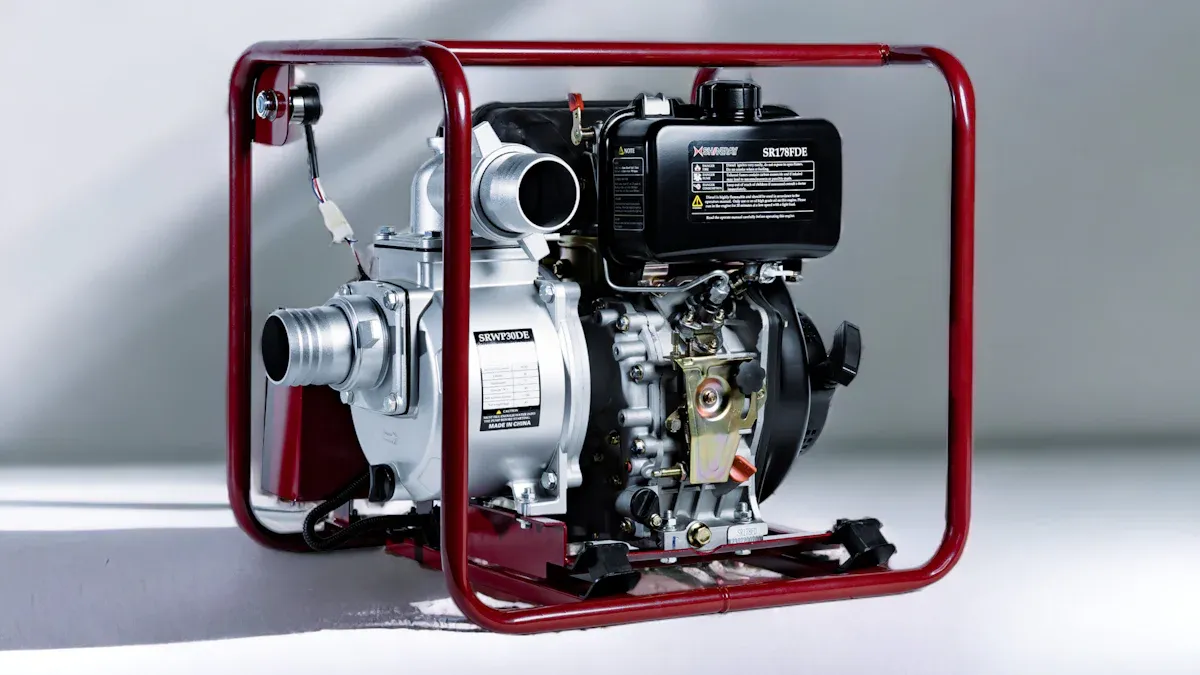
Modern data center generators rely on advanced monitoring systems to ensure operational stability and rapid response to power events. Each leading brand offers proprietary solutions designed for real-time oversight and diagnostics. These systems provide operators with critical data, including load status, fuel consumption, and fault alerts. The following table highlights the monitoring systems available from top generator brands:
| Brand | Monitoring System | Features & Benefits |
|---|---|---|
| Cummins | PowerCommand® 3.3 Controller | Real-time monitoring, integrated load management, comprehensive diagnostics |
| InPower™ Software | PC-based configuration, diagnosis, and monitoring for enhanced maintenance | |
| Leroy Somer | Customized options | Tailored solutions for power output, fuel type, and control systems |
| Leroy Somer | Climate adaptability | Reliable performance in extreme environmental conditions |
These monitoring platforms help data centers maintain uptime by providing instant alerts and actionable insights. LETON Power integrates intelligent monitoring with remote access, allowing operators to oversee generator performance from anywhere. This approach supports predictive maintenance and reduces the risk of unexpected downtime.
Emission Controls
Emission control technologies have become essential for data center generators, especially as facilities strive for environmental compliance. Brands employ a range of solutions to minimize pollutants and meet regulatory standards. The table below outlines common emission control technologies and their functions:
| Technology | Function |
|---|---|
| Selective Catalytic Reduction (SCR) | Reduces NOx up to 50% |
| Diesel Particulate Filter (DPF) | Reduces emissions more than 90% |
| Exhaust Gas Recirculation (EGR) | Reduces overall emissions |
| Diesel Oxidation Catalyst (DOC) | Reduces HC and CO, enhances SCR and DPF |
Emergency generators typically meet Tiers 2 and 3, while prime generators must achieve Tier 4 standards. Compliance with Tier 4 brings significant benefits, such as lower emissions, quieter operation, and improved fuel efficiency. LETON Power incorporates advanced emission controls and soundproof enclosures, supporting strict environmental compliance and helping data centers operate responsibly.
Note: Data centers should verify that their generator systems meet all local and international emission regulations to avoid penalties and support sustainability goals.
Modular Solutions
Scalability remains a top priority for data center operators. Modular generator solutions allow facilities to expand capacity as demand grows, without major infrastructure changes. Brands like MTU and Generac offer modular systems that support parallel operation and load sharing. These features enable seamless integration of additional units, ensuring continuous power during maintenance or upgrades.
LETON Power delivers customized modular solutions tailored to each data center’s redundancy and growth requirements. Their systems include options for energy storage and renewable integration, providing flexibility for future expansion. Modular designs also simplify maintenance and reduce installation time, making them ideal for rapidly evolving data center environments.
Tip: Modular generator systems help data centers adapt to changing business needs while maintaining high reliability and operational efficiency.
Remote Management
Remote management has become a defining feature for modern data center generator systems. Operators now expect to monitor, control, and diagnose their backup power infrastructure from anywhere in the world. Leading generator brands have responded by integrating advanced remote management platforms into their products.
These platforms provide several key benefits:
- Real-Time Monitoring: Operators receive instant updates on generator status, fuel levels, and system health. This visibility allows for proactive maintenance and rapid response to anomalies.
- Remote Diagnostics: Service teams can access diagnostic data without being on-site. This capability reduces downtime and speeds up troubleshooting.
- Automated Alerts: Systems send notifications via email, SMS, or app when they detect faults or performance issues. Operators can act quickly to prevent disruptions.
- Control Functions: Authorized users can start, stop, or test generators remotely. This flexibility supports routine testing and emergency response.
Caterpillar, Cummins, and MTU offer proprietary remote management solutions that integrate with building management systems. These platforms support secure data transmission and multi-site oversight. Kohler and Generac provide cloud-based dashboards, enabling operators to manage fleets of generators across different locations.
LETON Power delivers a comprehensive remote management suite tailored for data center environments. Their system features real-time data visualization, predictive analytics, and seamless integration with renewable energy sources. LETON Power’s remote management tools support compliance by logging operational data and generating reports for regulatory review. The platform also includes customizable alert thresholds and user access controls, enhancing both security and operational efficiency.
Tip: Remote management reduces the need for on-site personnel and minimizes response times during critical events.
The following table summarizes remote management features across leading brands:
| Brand | Real-Time Monitoring | Remote Diagnostics | Automated Alerts | Remote Control | Compliance Reporting |
|---|---|---|---|---|---|
| Caterpillar | Yes | Yes | Yes | Yes | Yes |
| Cummins | Yes | Yes | Yes | Yes | Yes |
| Kohler | Yes | Yes | Yes | Yes | Yes |
| MTU | Yes | Yes | Yes | Yes | Yes |
| Generac | Yes | Yes | Yes | Yes | Yes |
| LETON Power | Yes | Yes | Yes | Yes | Yes |
Remote management capabilities have transformed how data centers maintain uptime and operational resilience. By leveraging these advanced tools, operators can ensure that their generator systems remain reliable, efficient, and ready to support mission-critical workloads at all times.
Comparative Table: Key Metrics

Performance Comparison
Data center operators evaluate generator brands based on their ability to deliver consistent power and handle demanding workloads. The table below summarizes key performance metrics for each leading brand:
| Brand | Power Output Range | Load Acceptance | Response Time | Modular Options |
|---|---|---|---|---|
| Caterpillar | Medium-High | High | <10 sec | Yes |
| Cummins | Medium-High | High | <10 sec | Yes |
| Kohler | Medium | Moderate-High | <10 sec | Yes |
| MTU | Medium-High | High | <10 sec | Yes |
| Generac | Medium | Moderate-High | <10 sec | Yes |
| LETON Power | Medium-High | 100% | Instant | Yes |
Operators see that LETON Power provides instant response and full load acceptance, which supports seamless power generation during critical events. Other brands also offer strong performance, with rapid response and scalable options.
Reliability Comparison
Reliability remains a top priority for data centers. Brands invest in advanced engineering and support systems to maximize uptime. The following table highlights reliability features:
| Brand | Uptime Record | Warranty Coverage | Support Services | Monitoring Systems |
|---|---|---|---|---|
| Caterpillar | 99.999% | Multi-year | Global | Advanced |
| Cummins | 99.999% | Multi-year | Global | Advanced |
| Kohler | 99.999% | Multi-year | Global | Advanced |
| MTU | 99.999% | Multi-year | Global | Advanced |
| Generac | 99.999% | Multi-year | Global | Advanced |
| LETON Power | 99.999% | Robust | 24/7 Global | Intelligent |
Note: LETON Power and other top brands offer comprehensive support and monitoring, which helps maintain high reliability and quick issue resolution.
Cost and Value
Total cost of ownership influences the decision-making process for data center generator investments. Operators consider not only the initial cost but also long-term value, including maintenance, fuel efficiency, and support. The table below compares cost and value factors:
| Brand | Initial Cost | Maintenance Needs | Fuel Efficiency | Value-Added Features |
|---|---|---|---|---|
| Caterpillar | High | Moderate | High | Scalable, certified |
| Cummins | High | Moderate | High | System integration |
| Kohler | Moderate | Moderate | High | Flexible solutions |
| MTU | High | Moderate | High | Modular, low emissions |
| Generac | Moderate | Moderate | High | Easy integration |
| LETON Power | Competitive | Low | High | Customization, renewables |
Operators find that LETON Power delivers competitive cost and strong value through customization and integration with renewable energy. Other brands provide proven reliability and advanced features, which contribute to long-term operational savings.
Tip: Evaluating both upfront and ongoing costs ensures that data centers achieve the best balance between performance, reliability, and value.
Pros and Cons of Leading Generator Brands

Caterpillar
Caterpillar stands as a prominent name among generator manufacturers, especially for data center applications. The brand has built a reputation for durability and reliability, making its products suitable for harsh environments. Many operators choose Caterpillar for its robust engineering and the assurance that comes with a global dealer network. This extensive support infrastructure allows for quick access to parts and service, which helps maintain uptime.
Pros:
- Exceptional durability and reliability in demanding conditions
- Global dealer network ensures widespread support and service availability
- High resale value due to strong brand reputation
Cons:
- Higher initial cost compared to some competitors
- Maintenance and parts can be expensive over the product’s lifespan
Note: Caterpillar’s focus on reliability often justifies the total cost of ownership for mission-critical data centers.
Cummins
Cummins has established itself as a leader in integrated power solutions. The brand offers fully integrated generator systems that optimize performance for data centers. Cummins products are often preferred for mission-critical applications because of their consistent output and advanced control systems. The company’s commitment to innovation ensures that its generators meet evolving industry standards.
Pros:
- Fully integrated solutions for seamless operation
- Preferred choice for mission-critical environments
- Strong global presence with reliable support services
Cons:
- Initial investment can be significant
- Some models may require specialized maintenance
Cummins generators deliver value by reducing downtime and supporting operational continuity. Many data center operators consider the brand’s reliability a key factor in their purchasing decisions.
Kohler
Kohler has earned recognition for its reliable and efficient generator systems. The brand focuses on delivering flexible solutions that adapt to various data center needs. Kohler’s products are known for their ease of integration and user-friendly controls. Operators appreciate the brand’s commitment to quality and long-term support.
Pros:
- Flexible solutions suitable for different facility sizes
- User-friendly controls and straightforward integration
- Strong warranty coverage and customer support
Cons:
- Power output range may be limited compared to some larger brands
- Maintenance costs can add up over time
Kohler’s approach balances performance and cost, making it a practical choice for many data centers. The brand’s reputation for reliability and support continues to attract operators seeking dependable backup power.
MTU
MTU, a Rolls-Royce Power Systems brand, has established a strong presence in the data center generator market. The company delivers high-performance diesel and gas generator sets designed for mission-critical environments. MTU generators support both small server rooms and hyperscale data centers, offering flexibility and scalability.
Operators recognize MTU for its engineering excellence. The brand integrates advanced control systems that enable precise load management and efficient fuel consumption. MTU’s focus on innovation has led to the development of low-emission engines, which help data centers meet environmental regulations.
Pros:
- Robust engineering and high reliability
- Advanced control systems for precise load management
- Wide range of capacities suitable for various data center sizes
- Modular solutions support scalability and redundancy
- Global service network provides rapid support
Cons:
- Initial investment may be higher than some competitors
- Specialized maintenance can require trained technicians
MTU’s commitment to quality and innovation makes it a preferred choice for operators seeking dependable backup power. The brand’s modular solutions allow data centers to expand capacity as needed, supporting growth and operational continuity.
Operators value MTU’s comprehensive maintenance programs. The company offers rapid response support through its global network, minimizing downtime during emergencies. MTU’s generators feature low-emission technologies, which help facilities comply with strict environmental standards.
The following table summarizes MTU’s key strengths and considerations:
| Feature | MTU Advantage |
|---|---|
| Reliability | High |
| Scalability | Modular solutions |
| Emission Controls | Advanced low-emission engines |
| Support Services | Global network, rapid response |
| Maintenance Needs | Specialized, may require expertise |
MTU continues to invest in research and development. The brand’s focus on innovation ensures that its generators remain at the forefront of technology, supporting data centers with reliable and efficient power solutions.
Recommendations for Data Center Scenarios
Large-Scale Operations
Operators managing large-scale data centers require generator solutions that deliver high power output, robust reliability, and seamless scalability. Brands such as Caterpillar, Cummins, MTU, and LETON Power have established themselves as leaders in this segment. These companies offer modular generator systems that support parallel operation, allowing facilities to expand capacity as demand grows. LETON Power provides customized solutions designed for hyperscale environments, integrating advanced emission controls and soundproof enclosures to meet strict regulatory standards.
Facilities with extensive computing needs benefit from generators that feature rapid response times and intelligent monitoring systems. These technologies help maintain uptime and protect critical infrastructure. Large-scale operations often prioritize redundancy, ensuring continuous power even during maintenance or unexpected outages. LETON Power’s end-to-end power systems, which include energy storage and renewable integration, support long-term growth and operational resilience.
Tip: For large-scale deployments, select generator systems with proven reliability records and comprehensive support services. This approach minimizes downtime and supports business continuity.
Budget Solutions
Budget-conscious data center projects must balance cost with reliability and performance. Operators often compare generator types to identify the best value for their specific needs. Diesel generators remain popular due to their high power density and excellent reliability. Natural gas and propane generators offer lower emissions and reduced maintenance requirements, making them attractive for edge or smaller data centers.
The following table summarizes key features of generator options for budget-focused deployments:
| Feature | Diesel Generators | Natural Gas Generators | Propane (LP) Generators |
|---|---|---|---|
| Fuel Cost | Moderate, fluctuates with oil markets | Often lower, stable supply | Moderate, can fluctuate seasonally |
| Maintenance | Moderate to high | Lower, cleaner burn | Lower, cleaner burn |
| Emissions | Higher (requires after-treatment) | Lower, less soot | Lower, less soot |
| Fuel Storage | On-site tanks; fuel can degrade | Direct utility line (no storage) | On-site tanks; excellent shelf life |
| Reliability | Excellent, high power density | Excellent, continuous supply | Good, reliable in cold weather |
| Initial Cost | Moderate to high | Moderate | Moderate |
Operators should evaluate total cost of ownership, including fuel expenses, maintenance schedules, and warranty coverage. LETON Power offers competitive pricing and tailored solutions, helping data centers achieve reliable backup power without exceeding budget constraints. Natural gas and propane generators may suit facilities seeking lower emissions and simplified maintenance.
Note: Budget solutions should not compromise reliability. Choose generator systems with strong support networks and proven performance in similar environments.
Rapid Deployment
Urgent data center projects demand generator solutions that can be deployed quickly and efficiently. Brands such as Vantage Data Centers and VoltaGrid specialize in fast-deploying power systems. Vantage Data Centers collaborates with VoltaGrid to deliver over 1 GW of power capacity, engineered for speed and reliability. VoltaGrid’s microgrid technology supports rapid installations, providing up to 70 MW of continuous power.
The table below highlights rapid deployment options:
| Brand | Solution Type | Key Features |
|---|---|---|
| Vantage Data Centers | Fast-deploying power | Collaborates with VoltaGrid, delivers over 1 GW capacity, designed for speed and reliability. |
| VoltaGrid | Microgrid technology | Quick deployments, up to 70 MW continuous power. |
LETON Power also supports rapid deployment through modular generator sets and streamlined installation processes. Their expert team provides 24/7 support, ensuring that facilities can achieve operational readiness in minimal time. Rapid deployment solutions prove essential for edge or smaller data centers, disaster recovery sites, and temporary expansions.
Tip: When speed is critical, select generator providers with experience in fast-track installations and scalable systems. This strategy ensures uninterrupted operations during urgent expansions or emergencies.
Sustainability Focus
Data centers now place sustainability at the core of their operations. Operators seek generator solutions that reduce environmental impact, comply with strict regulations, and support long-term energy goals. Leading generator brands have responded with innovations that help facilities lower emissions, improve fuel efficiency, and integrate renewable energy sources.
Key Sustainability Features in Data Center Generators:
- Advanced Emission Controls: Brands like Cummins, MTU, and LETON Power equip their generators with selective catalytic reduction (SCR), diesel particulate filters (DPF), and exhaust gas recirculation (EGR). These technologies help data centers meet Tier 4 emission standards and minimize pollutants.
- Fuel Flexibility: Some manufacturers offer generators that run on natural gas, bi-fuel, or hybrid systems. These options reduce reliance on diesel and lower greenhouse gas emissions.
- Renewable Integration: LETON Power stands out by offering seamless integration with energy storage and renewable sources, such as solar or wind. This approach supports data centers in achieving carbon reduction targets.
- Soundproof Enclosures: Noise pollution can affect both the environment and local communities. LETON Power and other top brands provide soundproof generator enclosures that ensure quiet operation without sacrificing performance.
Tip: Data centers should evaluate local regulations and sustainability certifications before selecting a generator system. Compliance with standards such as LEED or ISO 14001 can enhance a facility’s reputation and operational efficiency.
The table below compares sustainability features across leading generator brands:
| Brand | Emission Controls | Renewable Integration | Fuel Options | Soundproofing |
|---|---|---|---|---|
| Caterpillar | Advanced | Limited | Diesel, Gas, Bi-fuel | Yes |
| Cummins | Advanced | Moderate | Diesel, Gas, Bi-fuel | Yes |
| Kohler | Standard | Limited | Diesel, Gas | Yes |
| MTU | Advanced | Moderate | Diesel, Gas | Yes |
| Generac | Standard | Limited | Diesel, Gas, Bi-fuel | Yes |
| LETON Power | Advanced | Extensive | Diesel, Hybrid | Yes |
LETON Power’s commitment to sustainability includes advanced emission controls, extensive renewable integration, and customizable solutions for green data centers. The company’s generators support both immediate and long-term environmental goals. Operators benefit from reduced carbon footprints, lower operating costs, and enhanced compliance with global standards.
🌱 Sustainability Insight: Choosing a generator with strong environmental credentials not only supports regulatory compliance but also strengthens a data center’s brand image and stakeholder trust.
Data centers that prioritize sustainability should partner with generator providers who demonstrate leadership in green technology. LETON Power and other top brands continue to innovate, helping operators build resilient, eco-friendly facilities for the future.
Leading brands deliver strong performance and reliability for data center generator needs. Operators find that each brand offers unique strengths, from advanced monitoring to modular solutions. LETON Power stands out with global expertise, technical excellence, and tailored support. Decision-makers should assess their facility’s requirements before selecting a generator. Careful evaluation ensures the best fit for uptime, scalability, and long-term value.
FAQ

What factors should data centers consider when choosing a generator brand?
Data centers should evaluate uptime, fuel efficiency, scalability, maintenance needs, and support services. These criteria ensure reliable power, cost control, and operational continuity. Operators often compare brands based on these key performance indicators.
How often should data center generators undergo maintenance?
Manufacturers recommend routine maintenance every 250 to 500 hours of operation. Regular inspections, oil changes, and filter replacements help prevent unexpected failures. Many brands offer remote monitoring to streamline maintenance schedules.
Can generators support renewable energy integration in data centers?
Yes. Leading brands, including LETON Power, provide solutions that integrate with renewable sources and energy storage. This approach helps data centers reduce emissions and meet sustainability goals.
What is 100% load acceptance, and why does it matter?
100% load acceptance means a generator can instantly handle the full electrical demand of a data center. This feature ensures seamless power during outages, protecting sensitive equipment from voltage drops or interruptions.
How do remote monitoring systems benefit data center operators?
Remote monitoring systems provide real-time data on generator status, fuel levels, and performance. Operators can receive alerts, diagnose issues, and schedule maintenance without being on-site, improving uptime and efficiency.
Are modular generator solutions suitable for growing data centers?
Modular generator systems allow data centers to expand capacity as demand increases. Operators can add units in parallel, supporting scalability and redundancy. This flexibility helps facilities adapt to changing business needs.
What support services do top generator brands offer for data centers?
Top brands provide 24/7 technical support, system design assistance, installation, diagnostics, and access to replacement parts. LETON Power also offers personalized solutions and rapid response to ensure uninterrupted operations.

