

I know how vital reliable power is for patient safety in hospitals. Uninterruptible power supply for healthcare and backup generators protect critical diagnostic equipment from outages. When a power disruption strikes, UPS systems provide instant backup, while generators offer extended runtime. The difference matters, especially for sensitive medical imaging devices.
| System Type | Uptime Characteristics | Activation Time |
|---|---|---|
| UPS | Immediate backup power | Instant |
| Generator | Extended runtime | Delayed |
LETON delivers peace of mind to patients and healthcare professionals by ensuring uninterrupted care.
Key Takeaways
- Reliable power is crucial for patient safety in hospitals. It ensures that critical medical equipment operates without interruption.
- Uninterruptible power supply (UPS) systems provide instant backup power, while generators offer extended runtime during outages.
- Power disruptions can compromise diagnostic accuracy, leading to delays and increased stress for patients.
- Investing in robust power solutions protects expensive imaging equipment and reduces repair costs over time.
- Hospitals must assess their power needs to choose the right UPS and generator systems for their specific equipment.
- Reliable power solutions build trust between patients and healthcare providers by ensuring uninterrupted care.
- Regular testing and maintenance of backup systems are essential to ensure they function properly during emergencies.
- Combining UPS systems with generators creates a seamless power solution, safeguarding patient safety and data integrity.
Reliable Power in Medical Imaging
Diagnostic Accuracy and Patient Safety
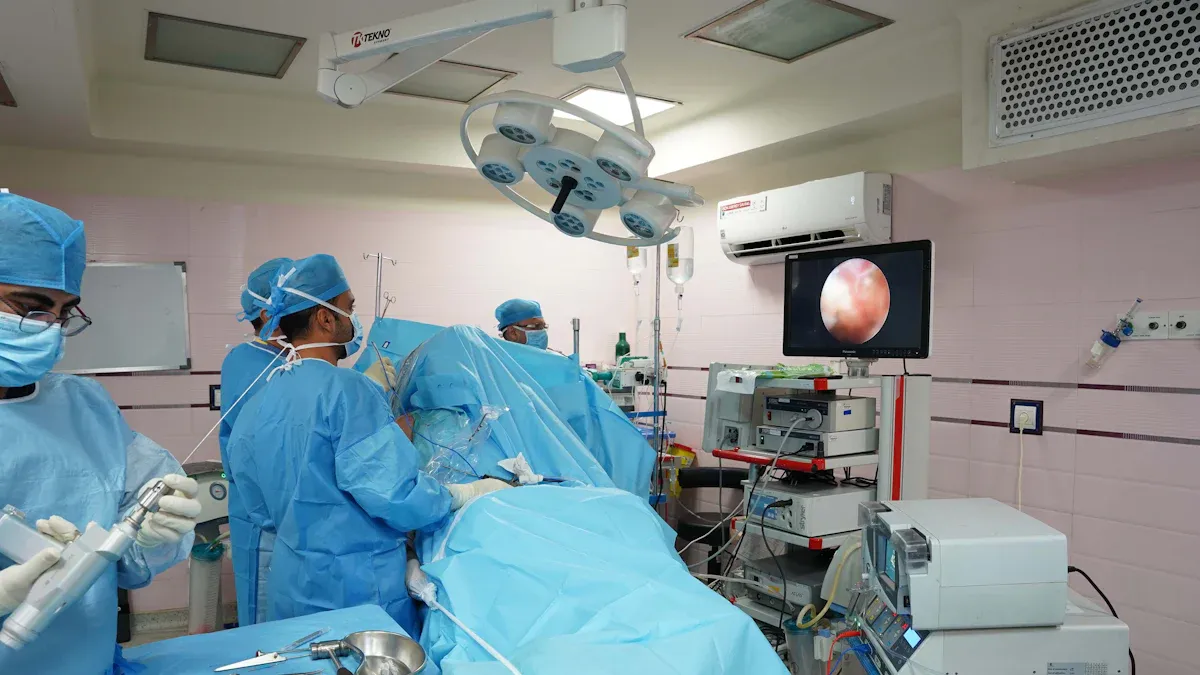
I have seen firsthand how continuous, clean power forms the backbone of diagnostic accuracy in hospitals. When I walk into an imaging suite, I know that even a brief power disruption can compromise image quality or interrupt a scan in progress. These interruptions do not just delay procedures—they can endanger patients, especially during critical diagnostic or interventional imaging.
Power reliability directly impacts patient outcomes. If a scan stops mid-procedure, the patient may need to repeat the process, increasing stress and exposure to radiation or contrast agents. Inconsistent power can also lead to incomplete or corrupted data, making it harder for clinicians to make accurate diagnoses.
Unstable power environments create additional challenges. Voltage spikes may damage sensitive devices, while voltage drops can cause unexpected shutdowns or malfunctions. Over time, these fluctuations shorten the operational lifespan of expensive imaging equipment and increase repair costs. I have learned that voltage sags can cause displays to flicker or shut down, interrupting critical tasks. Voltage surges can stress electronic components, leading to overheating and premature failure.
The most common causes of power interruptions in hospital imaging departments include:
- Natural disasters, such as earthquakes, which can lead to significant outages.
- Backup power systems that fail to meet demands during prolonged outages.
- Cyber attacks and flooding, which can disrupt communication pathways and essential services.
Imaging Equipment Power Needs
Each type of imaging equipment has unique power requirements. I always consider these needs when planning for reliable power solutions. The following table shows the average energy consumption for common machines:
| Machine Type | Average Energy Consumption (kWh/exam) |
|---|---|
| Ultrasound | 0.043–0.175 |
| CT | 0.7–1.9 |
| MRI | 15–25 |
| PET/CT | 3.23 |
MRI machines, for example, require a significant and stable power supply to maintain their superconducting magnets and advanced electronics. CT and PET/CT scanners also demand consistent voltage to ensure precise imaging and patient safety. Even ultrasound systems, though less power-hungry, rely on clean power to deliver accurate results.
I know that investing in robust power infrastructure is not just about keeping the lights on. It is about protecting patients, ensuring diagnostic precision, and extending the life of vital medical imaging equipment.
Risks of Power Interruptions
Procedure Delays and Data Loss
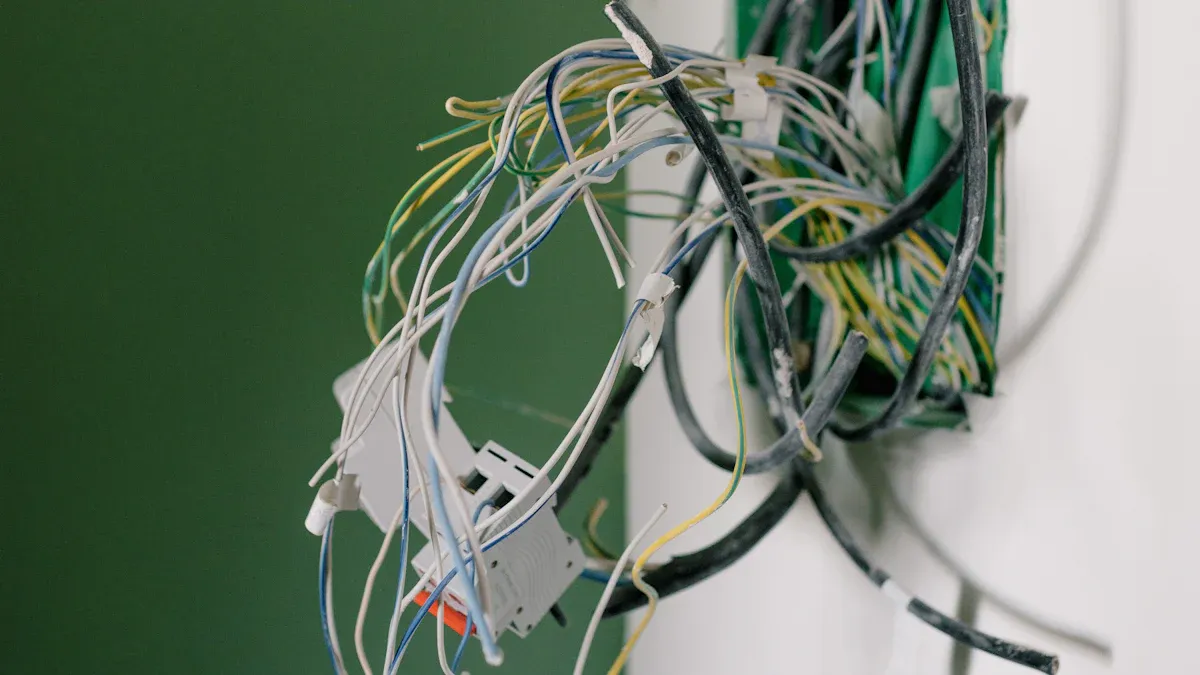
I have witnessed the impact of power loss in hospital imaging departments. When a blackout strikes, sensitive equipment like MRI and CT scanners can crash mid-procedure. This sudden power loss often leads to corrupted imaging data, forcing staff to repeat scans and delaying diagnoses. I know that voltage sags can also disrupt imaging devices, sometimes causing data corruption that backup batteries cannot prevent. Over time, repeated power loss events accumulate, resulting in frequent equipment failures and, in severe cases, loss of life.
Power interruptions do not just affect machines. They disrupt the entire workflow of a hospital. I have seen how a single power loss can halt surgeries, forcing teams to switch to manual management and increasing risks for patients. Imaging appointments get rescheduled, and patients experience longer wait times. These delays can compromise patient safety, especially when timely diagnosis is critical.
Note: Power loss can lead to missed appointments, lost revenue, and spoiled medications. One clinic reported losing $60,000 worth of vaccines after a single outage.
Equipment Damage and Patient Trust
I have learned that power surges and outages can damage expensive imaging equipment. Hospitals face average annual costs of $60,000 due to power loss disruptions. In some cases, a single day of power loss can expose a facility to nearly 4% of its annual revenue. Safety-net hospitals may lose hundreds of thousands of dollars from missed appointments and spoiled medications.
The financial impact is only part of the story. When equipment fails during a scan, patients lose trust in the hospital’s ability to provide safe care. I have seen patients express anxiety when procedures get interrupted by power loss. This erodes confidence in the healthcare system and can lead to negative outcomes for both patients and providers.
- Failure of life support systems during power loss puts critical patients at risk.
- Interrupted surgeries and imaging procedures increase the chance of injury and legal liability.
- Compromised diagnostics delay treatment and threaten patient safety.
I always emphasize the importance of reliable power systems. Hospitals must protect their imaging equipment and data from power loss and surges. Investing in robust backup solutions ensures patient safety and preserves trust in medical care.
Uninterruptible Power Supply for Healthcare
UPS System Functions
Battery Backup and Power Conditioning
I rely on uninterruptible power supply for healthcare to maintain continuous power for life-saving devices. These systems deliver battery backup that instantly activates when the main power fails. I have seen how this immediate response prevents interruptions that could endanger patient safety. The battery backup also conditions the power, filtering out surges and voltage fluctuations. This protection extends the lifespan of sensitive medical devices and reduces maintenance costs.
- UPS systems ensure continuous operation of critical equipment.
- They shield devices from harmful power anomalies.
- Battery backup minimizes downtime and keeps patient data accessible.
I trust these systems to provide clean, stable power. They support both diagnostic and non-critical devices in patient care areas. I know that even administrative functions, such as office computers and hospital networks, benefit from UPS protection until utility power returns.
Automatic Switch-Over
I value the automatic switch-over feature in uninterruptible power supply for healthcare. When a power outage occurs, the system detects the loss and switches to battery power without delay. This rapid response is essential for medical imaging procedures, where even a brief interruption can compromise results. Modern UPS units use advanced lithium-ion batteries and supercapacitors to achieve instant switchover. I have seen these systems comply with strict safety standards, including IEC 60601-1, and offer dual line fusing for added protection.
Tip: Automatic switch-over ensures that imaging equipment remains operational during unexpected outages, safeguarding both patient safety and diagnostic accuracy.
Protecting Imaging Equipment and Data
I depend on uninterruptible power supply for healthcare to protect sensitive imaging equipment from power anomalies. These systems deliver reliable backup during outages, allowing devices like MRI and CT scanners to complete procedures without interruption. I have witnessed how patient isolation features enhance safety in medical environments. Some UPS models can provide emergency power for several minutes, giving staff time to transition to generator backup or safely shut down equipment.
- UPS systems maintain stable voltage and current for imaging equipment.
- They prevent data loss by keeping devices powered during critical moments.
- Advanced models offer three-phase output and thermal management for high-demand applications.
I know that operational efficiency improves when downtime is minimized. Healthcare providers can access patient information quickly, and procedures continue without delay. The uninterruptible power supply for healthcare stands as a vital safeguard, ensuring that medical imaging remains reliable and patient care stays uninterrupted.
LETON Hospital Emergency Diesel Generator Sets
I have seen hospitals rely on LETON Hospital Emergency Diesel Generator Sets to maintain operations during unexpected outages. These generator sets serve as a critical backup, ensuring that essential medical imaging and life-support systems never lose power. LETON POWER stands out as a leading Chinese manufacturer, offering affordable pricing and guaranteed quality. I trust their engineering because they use engines from world-renowned brands such as Cummins, Perkins, Kubota, Weichai, Isuzu, Volvo, Deutz, MTU, Caterpillar, and Yanmar. Every alternator features high-quality all-copper motors, with customization options including Stamford, Leroy-Somer, or Marathon alternators. LETON POWER meets diverse customization demands, always focusing on reliability and performance.
Generator Features for Healthcare
ISO 8528 Performance and Voltage Control
I know that hospitals require generator sets that comply with strict international standards. LETON generator sets meet ISO 8528 performance requirements, which guarantee reliable power delivery for both Prime Power and Standby Power applications. These generators also feature precise voltage control, which protects sensitive imaging equipment from harmful fluctuations. I have seen how this level of control ensures stable operation, even during sudden load changes.
Here is a summary of LETON’s compliance and certifications:
| Compliance Standard | Description |
|---|---|
| ISO 8528 | Ensures reliable power supply for hospitals, applicable for both Prime Power and Standby Power. |
| IEC 60092 | Certification for marine and industrial use, ensuring quality and reliability. |
| Emission Standards | Compliance with Tier 4 Final or Stage V for environmental adherence. |
Soundproof Enclosures and Engine Brands
I appreciate LETON’s attention to hospital environments. Their generator sets come with soundproof enclosures made from superior damping materials. These enclosures minimize noise, allowing generators to operate quietly near patient care areas. I have worked with installations where the low noise levels helped maintain a calm atmosphere, even during emergencies.
LETON integrates engines from trusted brands like Cummins, Perkins, Kubota, and Weichai. These engines deliver consistent performance and durability, which is essential for healthcare facilities. I value the flexibility LETON offers, allowing hospitals to choose the engine and alternator combination that best fits their needs.
Integration with UPS Systems
I have seen the seamless integration of LETON generator sets with hospital UPS systems. When the main power fails, the UPS provides instant backup, keeping imaging equipment and life-support systems running. The generator then starts automatically, supplying extended runtime for critical power needs. This coordinated approach ensures that medical imaging procedures continue without interruption.
I rely on LETON’s expertise to design systems that work together efficiently. Their solutions comply with regulations like NFPA 110 and adapt to each hospital’s unique requirements. LETON supports installations in over 160 countries, offering 24/7 technical assistance and customized load analysis. I know that hospitals benefit from LETON’s global reach and commitment to continuous support.
Tip: Combining LETON UPS systems with emergency diesel generator sets guarantees uninterrupted power for medical imaging, even during prolonged outages.
I trust LETON to deliver reliable, customizable, and affordable generator solutions. Their focus on quality and performance gives healthcare professionals and patients peace of mind.
Benefits for Patients and Healthcare Providers
Minimizing Downtime
I have seen how minimizing downtime transforms patient care in hospitals. When UPS and generator systems work together, imaging departments run smoothly, even during unexpected outages. Patients receive timely access to scans, and staff avoid the stress of rescheduling procedures. I rely on these solutions to keep workflow efficient and reduce wait times for everyone.
| Evidence Type | Description |
|---|---|
| Workflow Efficiency | Enhances workflow efficiency, leading to better patient care and satisfaction. |
| Reduced Wait Times | Minimizes patient wait times, ensuring timely access to imaging services. |
| Improved Communication | Effective communication protocols keep patients informed, reducing dissatisfaction. |
- Regular disruption reports help me identify issues and their financial impact.
- Comprehensive service event plans ensure patient care is not compromised during downtimes.
- Thoughtful resource allocation addresses areas prone to disruption.
Enhancing Safety and Trust
I know that reliable power solutions build trust between patients and healthcare providers. When imaging equipment stays operational, clinicians make faster and more informed decisions. These systems help reduce errors in patient care and foster a culture of safety and accountability. I have worked with teams that proactively identify risks and unsafe conditions, using risk assessments and engaging supply chain and biomedical engineering to mitigate threats before they affect patients.
- Reliable power enables clinical decision support systems to function without interruption.
- Hospitals maintain compliance with safety and data security standards.
- Patients feel confident knowing their care will not be interrupted by power loss.
Reliable power solutions create a safer environment and strengthen the bond of trust between patients and healthcare professionals.
Supporting Critical Care Imaging
I depend on UPS and generator systems to support critical care imaging during emergencies. Clean, uninterrupted power keeps medical imaging equipment like MRIs and CT scanners running, which is crucial for timely diagnosis. These solutions protect sensitive devices from power surges, preventing costly repairs and maintaining operational integrity.
| Benefit | Explanation |
|---|---|
| Clean, Uninterrupted Power | Ensures imaging equipment remains operational, crucial for timely patient diagnosis. |
| Protection Against Power Surges | Prevents damage to sensitive devices, maintaining operational integrity. |
| Emergency Lighting Support | Facilitates safe navigation during outages, ensuring patient and staff safety. |
- Repair or replacement costs for MRI machines can reach millions of dollars.
- Data loss during outages creates logistical challenges, including lost revenue and rescheduling.
- UPS systems provide immediate power, allowing imaging equipment to finish ongoing processes and shut down safely.
I have witnessed firsthand how these solutions preserve data integrity, improve security for patients, and dramatically decrease spending on equipment repairs. Hospitals also meet regulatory compliance more easily, ensuring patient safety and data security.
Choosing the Right Power Solution
Assessing Imaging Equipment Needs
When I evaluate power solutions for hospital imaging departments, I start by assessing the specific needs of each piece of medical imaging equipment. I look at the energy consumption patterns and operational modes. For example, MRI scanners spend most of their time in stand-by mode, which accounts for a significant portion of their energy use. I consider the following factors:
- The environmental impact of energy consumption in radiology departments.
- The life-cycle energy consumption of imaging equipment, including manufacturing, transportation, and disposal.
- The operational modes of devices, such as stand-by, active, and idle, and how each mode affects overall energy use.
- Imaging protocols and their influence on energy usage.
- The importance of planned equipment renewal to prevent failures and maintain patient care.
I know that careful assessment helps me choose systems that match the actual demands of the hospital, optimizing both efficiency and reliability.
Key Features for Healthcare UPS and Generators
Selecting the right UPS and generator systems for healthcare requires attention to several key features. I focus on reliability, efficiency, and data protection. The following table summarizes the most important features and their benefits:
| Feature | Benefit |
|---|---|
| Reliability | Ensures constant power supply to critical equipment during outages. |
| Efficiency | Improves electrical system performance and sustains critical services. |
| Data Protection | Safeguards patient data and operational integrity during interruptions. |
| Simplified Operations | Integrates multiple units into a centralized system, saving resources. |
| Cost Reduction | Lowers maintenance costs by reducing upkeep needs. |
I also consider the type of UPS system best suited for each application:
- Standby UPS systems switch quickly to battery power during outages, providing short-term electricity.
- Line-interactive UPS systems offer superior filtering and maintain a battery and inverter connection to the output.
- Double conversion UPS systems eliminate noise and surges by converting AC power to DC and back to AC.
These features help me ensure that the hospital’s power infrastructure supports uninterrupted care and protects sensitive equipment.
LETON Product Selection Guidance
I trust LETON to deliver solutions tailored to the unique needs of healthcare facilities. When I recommend LETON Hospital Emergency Diesel Generator Sets, I look for models with ISO 8528-rated performance and precise voltage control. I select soundproof enclosures to minimize noise in patient areas. I choose engines from trusted brands like Cummins, Perkins, Kubota, and Weichai for durability and reliability.
For integration, I pair LETON generator sets with advanced UPS systems to create a seamless backup power solution. I consult LETON’s specialists for customized load analysis and installation support. Their global experience and 24/7 technical assistance give me confidence in every deployment.
Tip: I always match generator capacity to the total load of medical imaging equipment and critical systems, ensuring uninterrupted operation during any outage.
I know that a thoughtful approach to product selection and integration leads to reliable, efficient, and safe hospital environments.
Real-World Impact and Case Studies
Hospital Imaging Department Example
I have worked with hospital imaging departments that rely on robust UPS and generator systems to maintain continuous operation during power outages. One facility I supported experienced a sudden blackout during a busy morning. The UPS system activated instantly, keeping MRI and CT scanners running without interruption. The backup generator started within seconds, providing long-term power for operating rooms and intensive care units. Staff completed all scheduled scans, and no patient experienced delays or repeat imaging sessions. This seamless transition protected patient safety and preserved critical diagnostic data.
I have noticed a growing trend in hospitals. UPS systems, once reserved for data centers and laboratory equipment, now support imaging equipment. This expansion helps maintain imaging quality and reduces the risk of power supply fluctuations. Patients benefit from fewer disruptions, and clinicians trust the reliability of their equipment.
- UPS systems now protect imaging suites as well as data centers.
- Generator integration ensures long-term power during extended outages.
- Imaging departments report improved workflow and patient satisfaction.
Radiology Technician Testimonial
I spoke with a radiology technician who shared her experience during a severe storm. She described how the hospital’s UPS system kept the MRI scanner operational when the main power failed. The generator took over, allowing her team to finish scans and avoid rescheduling patients. She told me, “Our patients depend on us for timely results. Reliable backup power means we never have to compromise on care, even when the unexpected happens.”
“I feel confident knowing our imaging equipment will keep working, no matter what. LETON’s backup systems give us peace of mind and help us focus on patient safety.”
Lessons from Outage Events
I have learned important lessons from major hospital power outages. Hospitals must assess their power supply vulnerabilities to identify failure points. Regular maintenance and testing of backup systems ensure they function when needed. I recommend integrating renewable energy sources to enhance resilience and sustainability.
- Hospitals should conduct thorough vulnerability assessments.
- Maintenance and testing of backup systems are essential.
- Renewable energy integration strengthens backup power infrastructure.
LETON’s proven track record includes installations in over 160 countries. I have seen their systems deliver reliable power to medical imaging departments worldwide. Hospitals trust LETON to provide tailored solutions that meet strict regulatory standards and support continuous patient care.
I have seen how uninterruptible power supply and LETON generator sets protect patients and support hospital staff. Reliable backup power keeps imaging equipment running and ensures patient safety. I believe every healthcare leader should invest in robust power solutions. These systems give peace of mind and help hospitals deliver uninterrupted care.
Reliable power is not just a technical requirement—it is a promise of safety and trust for every patient.
FAQ
What is an uninterruptible power supply (UPS) in healthcare?
I use a UPS to provide instant backup power for critical medical equipment. It keeps devices running during outages and protects them from voltage fluctuations.
How do LETON generator sets support hospital operations?
I rely on LETON generator sets for extended backup power. They start automatically during outages and maintain stable voltage, ensuring continuous operation of imaging and life-support systems.
Can UPS and generators work together in a hospital?
I integrate UPS systems with generators for seamless power protection. The UPS activates instantly, while the generator provides long-term support, keeping all essential equipment running.
Why is clean power important for medical imaging?
I know clean power prevents data loss and equipment damage. It ensures accurate imaging results and extends the lifespan of expensive diagnostic machines.
How often should hospitals test their backup power systems?
I recommend regular testing, at least monthly. Routine checks help me confirm that UPS and generators will perform reliably during emergencies.
What makes LETON generator sets suitable for healthcare?
I choose LETON for their ISO 8528 compliance, soundproof enclosures, and premium engine brands. These features deliver quiet, reliable, and efficient power tailored for hospital needs.
Do backup power systems protect patient data?
I trust UPS and generator solutions to safeguard patient data. They prevent data loss during outages and support secure shutdowns for sensitive equipment.

