

Imagine the lights flicker, then darkness falls—except your business keeps humming. That’s the magic of a diesel generator set. You get backup power in an instant, thanks to a machine that blends a diesel engine with a generator. LETON POWER stands tall as a global leader in diesel generator manufacturing, trusted by industries in more than 160 countries. Why does everyone love these powerhouse machines? Check out the numbers:
- The global diesel generator market reached $19.46 billion in 2023 and could soar to $33.03 billion by 2031.
- Diesel generators deliver reliability, durability, and cost-effectiveness, keeping critical infrastructure running when it matters most.
Key Takeaways
- A diesel generator set combines a diesel engine and an electric generator to provide reliable backup power during outages.
- Modern diesel generators are designed to be efficient, with advanced features that reduce emissions by over 90% compared to older models.
- These generators are essential for critical facilities like hospitals and data centers, ensuring operations continue smoothly during power failures.
- Regular maintenance, including checking oil and fuel levels, is crucial for keeping your diesel generator running efficiently and reliably.
- Diesel generators can operate independently of the power grid, making them ideal for remote locations or areas with unstable electricity supply.
- LETON POWER offers a wide range of diesel generators tailored for various applications, from industrial use to portable solutions for events.
- Understanding the components of a diesel generator, such as the engine, alternator, and control panel, helps users operate and troubleshoot effectively.
- Choosing the right size generator involves calculating the total wattage of devices you want to power, ensuring you have enough capacity for your needs.
Diesel Generator Set Basics
What Is a Diesel Generator Set
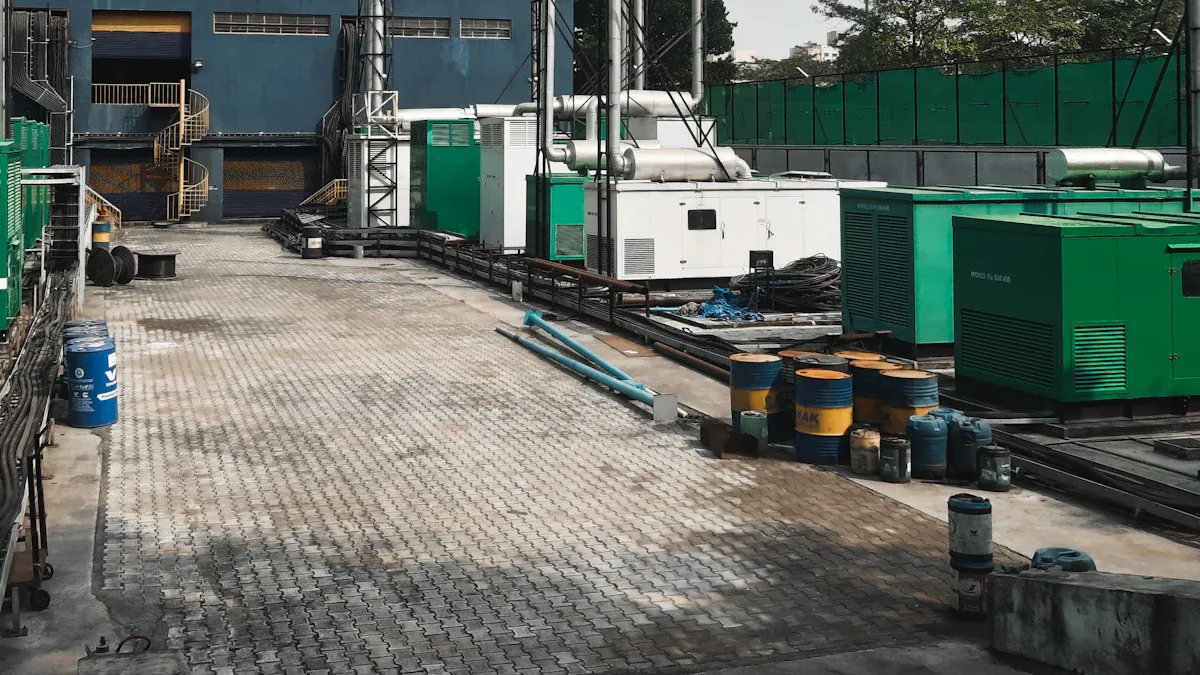
Picture this: You flip a switch, and—voilà!—the lights come back on, even when the main grid is down. That’s the magic trick a diesel generator set pulls off. Here’s what makes it tick:
- A diesel generator set combines a diesel engine with an electric generator to create electricity.
- It runs on diesel fuel, but some models can use alternative fuels if you want to mix things up.
- You’ll find these machines in places where the power grid doesn’t reach or when you need backup during outages.
- People love them for their toughness, reliability, and ability to work in all sorts of settings, from factories to homes.
- Unlike other types of generators, diesel models operate independently and don’t need a power network to get started.
- Diesel generator sets stand out from natural gas generators because of their fuel type and their reputation for reliability and flexibility.
So, if you need a dependable source of electricity, you can count on a diesel generator set to deliver.
Key Features
Modern diesel generator sets have come a long way from their noisy, smoky ancestors. Today’s models pack a punch with advanced features that keep you powered up and worry-free. Let’s break it down:
| Feature | Diesel Generators | Alternative Power Sources |
|---|---|---|
| Emissions | Higher emissions of NOx and particulate matter | Minimal to no emissions (solar, wind) |
| Long-Term Viability | Less favorable due to environmental regulations | More sustainable options (solar, wind) |
| Cost of Operation | Generally costlier due to fuel and maintenance | Often more cost-effective solutions |
But don’t let that table fool you—modern diesel generator sets, especially Tier 4 models, have slashed emissions by over 90% compared to older engines. That means you get cleaner air and the same rock-solid performance.
Diesel generators are generally reliable and relatively cheap. Benefits include superior load carrying capacity, proven ability to deliver high-quality electrical power, rapid response time, easy access to fuel supplies, and expansive service support.
Here’s a fun fact: Diesel generators power 85% of critical facilities and commercial buildings in the U.S. Sales have jumped 70% since 2021, thanks to more frequent grid failures and wild weather. When the going gets tough, diesel generator sets get going.
Industrial Power Needs
Factories, hospitals, and data centers don’t just need a little power—they need a lot, and they need it now. Diesel generator sets step up to the plate with muscle and stamina. Check out how they match up with real-world demands:
| Application Type | Typical Range | Critical Systems Supported |
|---|---|---|
| Commercial | 20–150 kW | HVAC, POS, Basic lighting |
| Industrial | 150–3000 kW | CNC machines, Compressors |
You’ll see three main types of power needs in these settings:
- Continuous load: Keeps equipment running all day, every day.
- Peak demand: Handles those moments when everything kicks on at once.
- Surge capacity: Delivers a quick burst of extra juice when big machines start up.
Industrial facilities often need generators that can handle surge loads up to 300% of their rated capacity. The right diesel generator set keeps things humming at 70–80% of its maximum load, which means better fuel efficiency and less wear and tear.
So, whether you’re running a factory or keeping a hospital’s lights on, a diesel generator set gives you the reliable power you need—no drama, just results.
Main Components of a Diesel Generator Set
Diesel Engine
Engine Role
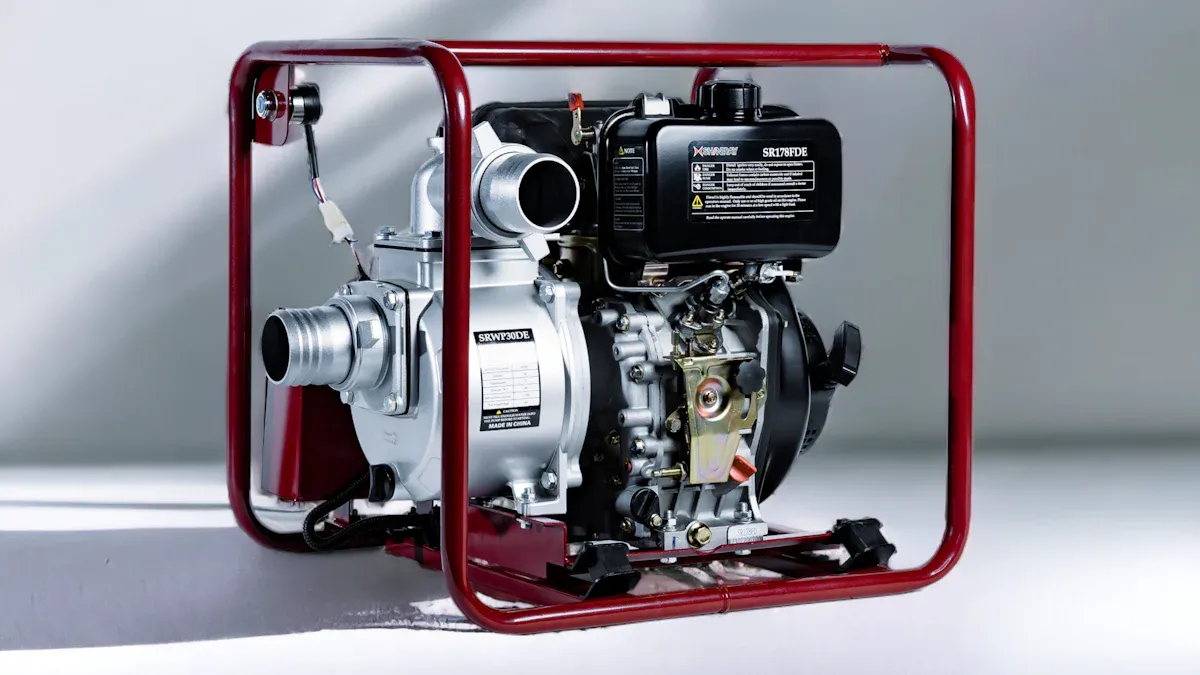
You stand in front of a diesel generator, ready to unleash its power. The heart of this machine is the diesel engine. It’s the muscle that turns fuel into motion. When you start the engine, it burns fuel and creates mechanical energy. This energy spins the alternator, which then produces electricity. Without the engine, your generator would just be a fancy metal box.
Let’s break down the main components and their functions:
| Component | Function |
|---|---|
| Diesel Engine | Converts energy from fuel into mechanical energy to drive the alternator. |
| Alternator | Converts mechanical energy into electrical energy. |
| Fuel System | Delivers diesel fuel to the engine, including the fuel tank, lines, pump, and filters. |
| Cooling System | Maintains proper operating temperature with components like the radiator and water pump. |
| Control System | Monitors and controls generator operation, including the control panel and automatic transfer switch (ATS). |
| Additional Systems | May include a battery charger, voltage regulator, and synchronization system for multiple generators. |
Engine Types
You might wonder, “Are all diesel engines the same?” Not at all! You’ll find engines with different configurations. Some use an in-line, six-cylinder, four-stroke design. This setup gives you smooth operation and high efficiency. Others might use a V-type layout for extra power. Most modern engines feature gear-driven centrifugal water pumps for cooling and variable flow oil pumps for lubrication. These features keep your generator running cool and smooth, even when the heat is on.
Check out these key performance characteristics:
| Performance Characteristic | Description |
|---|---|
| Fuel Efficiency | Minimized fuel consumption when operating at 75% of rated load, saving diesel and costs. |
| Power Output | Capable of supplying power to loads with the ability to parallel multiple units for high power. |
| Operational Reliability | Ensures uninterrupted power supply with standby units and high reliability due to fewer parts. |
| Technical Compliance | Complies with standards such as ISO8528, ISO3046, and GB/T2820-97. |
| Cooling System | Features a gear-driven centrifugal water pump for effective cooling and noise reduction. |
| Lubrication System | Variable flow oil pump optimizes oil delivery, enhancing engine economy and performance. |
| Engine Configuration | In-line, six-cylinder, four-stroke design for smooth operation and high efficiency. |
Alternator
Electricity Generation
Now, let’s talk about the alternator. Imagine the engine as the athlete and the alternator as the coach. The engine does the heavy lifting, but the alternator turns that effort into usable electricity. When the engine spins the alternator, you get a steady flow of electrical power. This is what keeps your lights on and your machines running. The alternator is built tough, ready to handle high loads and deliver consistent energy.
Control Panel
Monitoring Functions
You don’t want to babysit your generator all day. That’s where the control panel steps in. It’s the brain of the operation. The control panel monitors temperature, speed, and oil pressure. If something goes wrong, it can shut down the generator automatically to prevent damage. It also works with an automatic transfer switch (ATS) to detect power outages and start the generator without you lifting a finger. You get seamless power transitions and peace of mind.
Here’s a quick look at what the control panel does:
| Function/Feature | Description |
|---|---|
| Sensor Feedback and Regulation | Monitors parameters like temperature, speed, and oil pressure to regulate performance. |
| Emergency Shutdown | Automatically shuts down the generator in extreme conditions to prevent damage. |
| Integration with Automatic Transfer Switch (ATS) | Ensures continuity of power by detecting outages and starting the generator seamlessly. |
| Power Outage Detection | Senses grid failure and signals the control panel to initiate generator start-up. |
| Seamless Power Transition | Switches to generator power once optimal speed is reached, ensuring uninterrupted operations. |
Tip: With a modern control panel, you can relax and let your diesel generator handle the heavy lifting. You get reliable power, smart monitoring, and quick response—all in one package.
Fuel System
You stand in front of a diesel generator, ready to unleash its power. The fuel system is the lifeline that keeps everything running. Imagine the generator as a hungry beast. The fuel system delivers the right amount of diesel to the engine, making sure it never goes hungry. You get a fuel tank, fuel lines, a pump, and filters working together. The pump pushes diesel from the tank through the lines. Filters catch any dirt or debris, so only clean fuel reaches the engine. You never want a clogged filter—your generator might cough and sputter like a tired runner.
Fuel Delivery
Here’s how the magic happens:
- You fill the tank with diesel.
- The pump draws fuel from the tank.
- Filters clean the fuel before it enters the engine.
- The engine burns the fuel, creating energy.
- The generator springs to life, ready to power your world.
Tip: Always check your fuel level before starting the generator. Running out of diesel in the middle of a blackout is like forgetting your umbrella during a rainstorm.
Cooling and Exhaust
You fire up your diesel generator, and things heat up fast. The cooling and exhaust systems step in to keep everything chill and safe. Without them, your generator would overheat and shut down, leaving you in the dark.
Cooling Methods
The cooling system works like a superhero sidekick. It circulates coolant or water through the engine block and radiator, absorbing heat and releasing it. You get a team of parts working together:
- Water pump
- Oil coolers
- Radiator fan
- Hoses and pipes
- Expansion tank
- Pressure cap
- Temperature gauge or sensor
Let’s compare the two main cooling systems:
| Cooling System Type | Advantages | Disadvantages |
|---|---|---|
| Air-Cooled | Simpler, often more affordable | Noisier, requires more maintenance |
| Liquid-Cooled | Quieter operation, better performance under continuous load | More complex and potentially higher cost |
You want your generator to run cool and smooth, especially during long power outages.
Exhaust Handling
The exhaust system is the unsung hero. It channels hot gases away from the engine, keeping the air clean and the generator safe. You get pipes and mufflers that direct exhaust outside, reducing noise and protecting you from harmful fumes. You never want exhaust lingering indoors—always make sure your generator breathes easy.
Lubrication System
Your diesel generator loves a good oil bath. The lubrication system keeps everything moving smoothly, reducing friction and wear.
Lubrication Importance
Why does lubrication matter? Check out these perks:
- Reduced Friction: Oil minimizes friction between moving parts, preventing wear and tear.
- Heat Management: Lubricants help dissipate heat, stopping your engine from overheating.
- Cleaner Engine Operation: Engine oil traps contaminants, keeping your generator running strong.
Note: Regular oil checks and changes keep your diesel generator happy and healthy. Treat it like a champion athlete—give it the best care, and it will deliver peak performance every time.
Battery and Starting
Starting Process
You stand in front of your diesel generator, ready to bring it to life. The moment you press the start button, a hidden hero leaps into action—the battery. This small but mighty component stores electrical energy and delivers a powerful jolt to the starter motor. The starter motor spins the engine, drawing in air and fuel, and the magic begins. You hear the rumble as the engine fires up, and soon your generator hums with energy, ready to power your world.
Let’s break down the starting process step by step:
- You turn the ignition or press the start button.
- The battery sends electricity to the starter motor.
- The starter motor cranks the diesel engine.
- The engine draws in air and fuel, then ignites the mixture.
- The generator comes to life, producing electricity for your needs.
Tip: Always check your battery before a storm or planned outage. A weak battery can leave you in the dark when you need power most.
You might think the battery is just a sidekick, but it plays a starring role. Over 80% of failures to start diesel generators come from battery issues. Imagine thousands of generators sitting idle because of a simple battery problem! Even in top-notch facilities, the failure rate for electric start sets can reach 3% to 4%. That means you should never ignore battery maintenance.
Here’s what you need to know about battery and starting system reliability:
- Emergency diesel generators often serve as backup power for hospitals, data centers, and factories.
- Well-maintained generators have an 80% chance of running for two weeks straight during a grid outage.
- In nuclear power plants, the failure rate drops to about 1%, but in medical facilities, it can be higher.
- Most starting problems trace back to neglected batteries, not the engine or fuel.
You can boost your generator’s reliability with a few simple habits:
- Test your battery regularly.
- Keep terminals clean and connections tight.
- Replace old batteries before they fail.
- Make sure your generator has enough fuel for a long run.
A healthy battery and a full tank of fuel mean your diesel generator will roar to life when you need it most. Don’t let a tiny battery stand between you and the power you depend on. With a little care, you’ll always be ready for the next blackout or emergency.
How a Diesel Generator Works
Ever wondered what happens inside a diesel generator set when you flip the switch? Get ready for a front-row seat to the action! You’ll see pistons pumping, fuel igniting, and electricity flowing—all in a matter of seconds. Let’s break down the magic behind how a diesel generator works.
Step-by-Step Process
Air Compression and Combustion
Picture yourself as a tiny explorer inside the engine. First, the generator draws in a big gulp of air. The piston races upward, squeezing that air until it’s hot and packed tight. No spark plugs here—just pure pressure! At the peak of compression, the diesel fuel jets into the chamber. The heat from the compressed air makes the fuel explode with a mighty bang. This blast pushes the piston down with force.
Here’s how the process unfolds:
- The engine inhales air.
- The piston compresses the air, making it super hot.
- Diesel fuel sprays into the chamber.
- The heat causes the fuel to ignite instantly.
- The explosion drives the piston down.
You get a powerful punch of energy from every cycle. That’s the heart of the diesel generator set—turning fuel and air into raw mechanical muscle.
Mechanical to Electrical Conversion
Now, the real show begins. The piston’s movement spins the crankshaft. This spinning action travels straight to the alternator. Inside the alternator, the rotor whirls around, creating a magnetic field. The stator, packed with wire windings, sits nearby. As the magnetic field dances past the wires, it stirs up an electric current. You just turned mechanical energy into electricity—like magic, but with science!
Fun Fact: The alternator’s job is to keep the voltage and frequency steady, so your lights don’t flicker and your machines don’t hiccup.
Power Output
The electricity flows out of the alternator, but it’s not wild and untamed. The control panel steps in, making sure the power stays smooth and safe. It checks the voltage, frequency, and current. If anything looks off, the control panel can adjust things or even shut down the generator to protect your equipment.
You get reliable power, ready to run your business, charge your phone, or keep your servers humming. The diesel generator set delivers electricity wherever and whenever you need it.
Component Interaction
Engine and Alternator Sync
You might think the engine and alternator work separately, but they’re a dynamic duo. The engine’s crankshaft connects directly to the alternator’s rotor. When the engine runs, it spins the rotor at just the right speed. The rotor’s magnetic field sweeps past the stator’s coils, generating a steady stream of alternating current. This teamwork ensures your generator produces stable, dependable power every time.
The alternator transforms the engine’s muscle into electricity, keeping the voltage and frequency just right. You get a consistent supply of power, no matter how tough the job.
Control Panel Role
The control panel acts as your generator’s brain. It watches over every part of the process. Sensors feed it information about temperature, oil pressure, and speed. If the engine gets too hot or the oil runs low, the control panel jumps into action. It can sound an alarm, adjust the settings, or even shut down the generator to prevent damage.
Pro Tip: Modern control panels can even start your generator automatically during a blackout. You don’t have to lift a finger—just sit back and enjoy the power.
With all these parts working together, your diesel generator set becomes a powerhouse of reliability. You get peace of mind, knowing your power will stay on when you need it most.
LETON POWER Diesel Generator Solutions
Product Range Overview
You step into the world of LETON POWER, a diesel generator set manufacturer based in China. The company has built its reputation on delivering affordable products with guaranteed quality. LETON POWER uses trusted Cummins and Perkins engines as the core power sources in many of its generator sets. You get a wide selection, whether you need a silent generator for a hospital or a mobile unit for a construction site.
Take a look at some of the main product lines:
| Product Line | Key Features |
|---|---|
| Water-Cooled Diesel Generators | High-capacity, robust cooling, ideal for heavy-duty industrial use |
| Water-Cooled Silent Generators | Sound-attenuated enclosures, perfect for noise-sensitive environments |
| Mobile Trailer Generators | Portable, flexible, available in 2 or 4 wheel options |
| Air-Cooled Diesel Generators | Compact, efficient, great for small businesses and backup needs |
| Light Tower Generators | Integrated lighting and power, essential for outdoor operations |
| Air-Cooled Silent Generators | Quiet, compact, designed for backup power where noise reduction is critical |
You find models ranging from 3kVA to 4000kVA, so there’s a generator for every job. LETON POWER’s silent type Ricardo generator, for example, packs a punch with 80kW of rated power, water cooling, and a six-cylinder engine. It meets CE and ISO standards, so you know you’re getting quality.
Industrial and Commercial Applications
You run a factory, a hospital, or maybe a bustling event. You need reliable power, and LETON POWER steps up. The company’s diesel generator sets keep manufacturing lines moving, construction sites lit, and data centers humming. You see these generators in shopping malls, hotels, and even remote mining camps.
When the grid goes down, LETON POWER’s diesel generator sets keep your business running. You don’t have to worry about outages or downtime.
You get options for prime, standby, and continuous power. Whether you need backup for a few hours or non-stop energy for days, LETON POWER has a solution. The company’s products support critical systems like HVAC, lighting, and heavy machinery. You stay productive, no matter what.
Custom Power Solutions
You want something special. LETON POWER listens and delivers. The company engineers custom diesel generator solutions for diverse industries. You get tailored designs that optimize fuel efficiency and operational flexibility. LETON POWER’s team works with you to meet your exact requirements, from size and output to noise level and mobility.
- You choose the engine brand—Cummins, Perkins, or Ricardo.
- You pick the cooling system—water-cooled or air-cooled.
- You decide on silent or open type, mobile or stationary.
LETON POWER’s experts help you select the right generator for your needs. You get a reliable partner, not just a product. The company’s global reach means you receive support wherever you operate. LETON POWER stands out as a Chinese factory with affordable, high-quality diesel generator sets trusted by businesses in over 160 countries.
Tip: If you need a generator that fits your unique application, LETON POWER’s custom solutions make sure you never run out of power.
Diesel Standby Generator Applications
You step into a world powered by diesel standby generators. These machines stand guard, ready to leap into action when the lights go out. Let’s explore where you’ll find them working hardest.
Industrial Uses
Manufacturing
Factories buzz with energy. You hear machines whirring, conveyor belts moving, and workers hustling. Suddenly, the grid fails. Production stops. Chaos looms. Not with a diesel standby generator on your team! You keep the assembly line rolling, even when the main power disappears. These generators prevent costly production losses, especially for perishable goods. You avoid spoiled batches and angry customers.
Construction
Picture a construction site. Cranes swing, drills roar, and workers shout. The project deadline looms. The power flickers, then vanishes. You don’t panic. Your diesel standby generator fires up, keeping machinery and tools alive. You finish the job on time. No delays. No excuses. You become the hero of the site.
Healthcare
Hospitals never sleep. Doctors rush, nurses care, and patients depend on life-saving machines. The power fails. You need backup instantly. Diesel standby generators power critical equipment, lighting, and HVAC systems. You keep operating rooms bright and ventilators running. Lives depend on your generator’s reliability.
Here’s a quick look at how diesel standby generators support key industries:
| Application | Description |
|---|---|
| Hospitals | Power life-saving medical equipment, lighting, and HVAC during outages. |
| Manufacturing | Prevent production losses, especially for perishable goods. |
| Construction | Ensure continuous power for machinery and tools, avoiding project delays. |
Commercial and Community Uses
Data Centers
You run a data center. Servers hum, fans spin, and information flows. A blackout threatens chaos. You rely on diesel standby generators to safeguard IT infrastructure. You prevent data loss and downtime. Your clients trust you to keep their digital world safe.
Events and Remote Sites
Imagine a music festival in the middle of nowhere. The crowd cheers, the band plays, and the lights dazzle. Suddenly, the grid drops. You don’t miss a beat. Diesel standby generators keep the show alive. You power sound systems, food stalls, and security lights. You become the backbone of every remote event.
Mining camps and oil rigs also depend on diesel standby generators. You supply constant power for heavy equipment in places far from civilization. You minimize downtime and keep operations running smoothly.
Check out how diesel standby generators tackle commercial and community challenges:
| Industry | Use Case Description |
|---|---|
| Data Centers | Provide backup power to safeguard IT infrastructure and prevent data loss during disruptions. |
| Commercial | Keep essential operations running, including lighting and security systems. |
| Mining | Supply constant power for heavy equipment in remote locations. |
| Events/Remote Sites | Ensure continuous power for festivals, outdoor gatherings, and temporary setups. |
Tip: You never know when the next outage will strike. With diesel standby generators, you stay prepared, confident, and in control.
You see diesel standby generators everywhere. They power hospitals, factories, data centers, and even outdoor events. You trust them to deliver power when you need it most. You become the master of your own energy destiny.
Operation and Maintenance
Basic Operation Steps
Starting and Stopping
You stand in front of your diesel standby generator, ready to unleash its power. The process feels like waking up a sleeping giant. Here’s how you do it:
- Check the generator’s capacity and make sure you know its capabilities.
- Inspect the fuel level and confirm the battery is charged.
- Turn the control panel to the “start” position. Listen for the engine’s rumble.
- Let the generator warm up for a few minutes. This helps the diesel engine reach optimal temperature.
- Gradually connect your load, aiming for 70-80% of the generator’s maximum output. You avoid wet stacking and keep fuel efficiency high.
- When you’re ready to stop, disconnect the load first. Let the engine run for a few minutes to cool down.
- Switch the control panel to “stop.” The standby generator rests until you need it again.
Safety Tips
Safety comes first when you operate a diesel standby generator. You want to keep your team and equipment safe, so follow these tips:
- Always operate the generator in a well-ventilated area. Diesel exhaust needs a clear exit.
- Keep flammable materials far from the generator.
- Wear ear protection if you’re near a running standby generator for long periods.
- Never refuel while the engine is hot or running.
- Check for leaks before starting. A small fuel leak can turn into a big problem.
- Know your emergency shutdown procedures. Quick action keeps downtime short and your power supply steady.
Tip: A little caution goes a long way. Treat your diesel standby generator with respect, and it will deliver reliable power every time.
Routine Maintenance
Inspection Tasks
Your diesel standby generator loves attention. Regular inspections keep it running strong. Here’s your maintenance schedule:
- Weekly: Check oil, coolant, and fuel levels. Scan for leaks or loose wires.
- Monthly: Run the generator under load. Inspect battery voltage and clean air filters.
- Quarterly: Replace oil and fuel filters. Test coolant and check the exhaust system.
- Annually: Perform load bank testing. Inspect electrical systems and flush the cooling system.
You want to catch problems early. Oil sampling helps you spot engine wear before it gets serious. Coolant sampling prevents corrosion and overheating. Load bank testing proves your standby generator can handle its rated capacity.
Troubleshooting
Sometimes your diesel standby generator throws a curveball. You hear a strange noise or see a warning light. Don’t panic! Here’s your troubleshooting playbook:
- If the generator won’t start, check the battery and fuel supply first.
- If you notice low power output, inspect the alternator and control panel.
- If the engine overheats, check coolant levels and look for blocked air filters.
- If you see excessive smoke, inspect the fuel system and air intake.
Note: Keep a log of maintenance and repairs. You spot patterns and prevent future breakdowns.
LETON POWER Support
You never stand alone with LETON POWER. The company offers after-sales support and maintenance services for every diesel standby generator. You get expert advice, fast parts delivery, and technical assistance whenever you need it. LETON POWER’s global network means help is always nearby. You enjoy peace of mind, knowing your standby generator will keep your power flowing—rain or shine.
Advantages and Considerations
Benefits of Diesel Generators
Reliability
You want a standby generator that never lets you down. Diesel standby generator sets deliver rock-solid reliability. When the lights go out, you stay in control. These machines keep your business running, your data safe, and your customers happy. You can count on them to perform during emergencies, storms, or unexpected outages. Diesel standby generator sets often last from 10,000 to 30,000 hours. That means you get about 20 to 25 years of dependable service. You don’t have to worry about frequent breakdowns or costly repairs. You get peace of mind, knowing your power supply stands ready.
- Diesel standby generator sets provide consistent performance during power outages.
- You keep critical systems operational, no matter what.
- You enjoy a lifespan of 15 to 30 years, depending on usage and maintenance.
- Rugged construction helps these generators withstand harsh conditions.
Efficiency
You want your standby generator to work smart, not just hard. Diesel standby generator sets maximize fuel usage, saving you money during long outages. You get more power for every drop of diesel. These generators run efficiently at 70-80% of their rated load, so you avoid wasted fuel and keep costs low. You don’t have to refuel constantly or worry about running out of energy. Modern diesel standby generator sets also meet strict environmental standards, so you get efficient power without sacrificing air quality.
- Diesel standby generator sets optimize fuel consumption.
- You save on operational costs during extended outages.
- Advanced models meet tough emissions and noise regulations.
Environmental and Regulatory Factors
Emissions
You care about clean air and a healthy environment. Diesel standby generator sets have come a long way. Manufacturers now design them to meet strict emissions regulations. You see lower levels of nitrogen oxides (NOx) and particulate matter. Take a look at the numbers for Tier 4 Final standards:
| Pollutant | Final Tier 4 Limit (g/kWh) |
|---|---|
| NOx | 1.8 |
| Particulate Matter | 0.02 |
| Carbon Monoxide | Not specified |
| Hydrocarbons | Not specified |
You get cleaner operation and less pollution. Tier 4 Interim regulations started in 2011, and Tier 4 Final standards rolled out from 2013 to 2015. These rules push manufacturers to innovate and create greener diesel standby generator sets.
Compliance
You want your standby generator to follow the rules. Stringent emissions regulations shape the market for diesel standby generator sets. Rising concerns over air quality drive manufacturers to improve their designs. You see a push toward cleaner energy solutions and advanced technologies. When you choose a modern diesel standby generator, you meet local and international standards. You avoid fines and keep your business running smoothly.
Tip: Always check your standby generator’s compliance with current regulations. You stay ahead of the curve and protect your reputation.
You get reliable, efficient, and environmentally friendly power with a diesel generator. You stay prepared, confident, and ready for anything.
You’ve seen how a diesel generator set jumps into action when the lights go out. The engine, alternator, and control panel team up to deliver reliable power, keeping your business running. Check out these highlights:
| Key Point | Description |
|---|---|
| Reliability | You get dependable electricity, even in tough conditions. |
| Efficiency | Fuel turns into energy with impressive cost-effectiveness. |
| Versatility | You power factories, hospitals, and events with ease. |
| Backup Power | You avoid downtime and keep operations smooth. |
LETON POWER stands out with EU-compliant products and secure policies. Ready to power up? Choose LETON POWER for your next adventure.
FAQ
How long can a diesel generator run without stopping?
You can run most diesel generators for 8 to 24 hours straight. Some industrial models keep going for days with enough fuel. Always check your manual before pushing your generator to marathon mode!
What maintenance does my diesel generator need?
You should check oil, coolant, and fuel levels weekly. Clean filters monthly. Replace worn parts as needed. Regular TLC keeps your generator happy and humming.
Can I use a diesel generator indoors?
Nope! You should never run a diesel generator inside. Diesel exhaust needs a clear exit. Always use your generator outdoors or in a well-ventilated area.
How do I choose the right generator size?
You list all devices you want to power. Add up their wattage. Pick a generator with a little extra capacity. Bigger is better than running out of juice!
What fuel does a diesel generator use?
Diesel generators love diesel fuel. Some models accept biodiesel blends. Always check your manual before filling up with anything fancy.
Are diesel generators noisy?
Some diesel generators roar like lions. Silent models purr quietly. You pick the right type for your space. LETON POWER offers both options!
Can I connect my generator to the main power grid?
You need a transfer switch for safe connection. This gadget keeps your generator and the grid from fighting. Always ask a pro before plugging in!

