
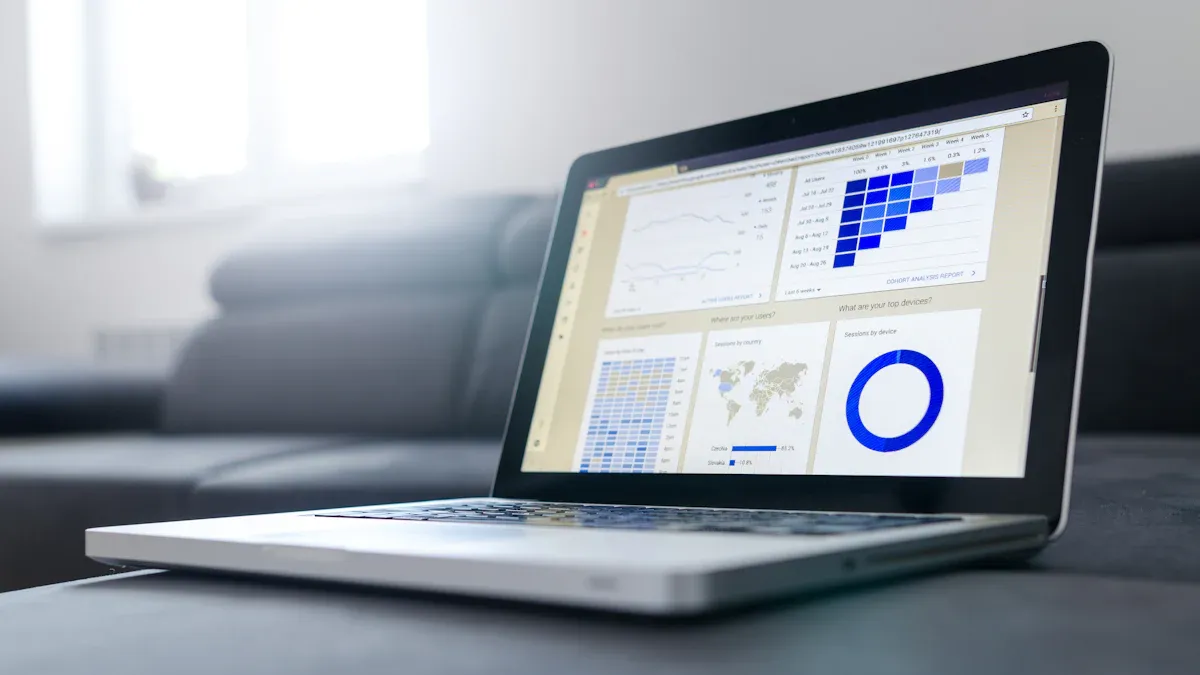
I think the Woodstock Power commercial generator sizing calculator is the best and most accurate for businesses. This calculator is good because it gives exact load numbers, helps with backup plans, and has great reviews from users. Many businesses use it to pick a backup power solution for their home office or business building. Picking the right commercial generator sizing calculator is important. If you choose the wrong one, you can have big problems:
| Common Risks Associated with Incorrect Generator Sizing |
|---|
| Load Uncertainty |
| Power Factor |
| Motor Starting |
| Generator Transients |
| Soft Starting Surprises |
| Harmonics |
I always use the best calculator for my backup and home needs so I do not have these problems.
Key Takeaways
- Pick the Woodstock Power calculator for the best generator sizing. It lets you enter lots of details and uses industry rules.
- Type in information about every piece of equipment. This stops mistakes and makes sure the generator fits your power needs.
- Find calculators that work with different load types. These include motors, HVAC systems, and lights. Each one needs a different amount of power.
- Choose a calculator that uses real data and gets updates often. This keeps the tool correct and trustworthy as time goes on.
- Make sure the calculator follows the National Electrical Code (NEC). This keeps your business safe and follows the law.
- Use tools that give clear reports and explain how they size. Being open helps you trust the results and spot mistakes.
- Think about the help and resources that come with the calculator. Good customer support can answer your questions or fix problems.
- Always check your sizing results with an expert. This step makes sure your generator is right for your business.
Accuracy Criteria For Commercial Generator Sizing Calculator
Input Detail & Customization
When I pick a commercial generator sizing tool, I want to enter lots of details. The best sizing software asks for more than just the total power. It wants to know about each piece of equipment. It also asks how often I use them and how much power they need. Giving this information helps me avoid mistakes. These mistakes can cause power problems or waste money.
Load Types & Diversity
I always check if the sizing software lets me add different load types. For example, I might need to include lighting, HVAC, computers, and heavy machines. Each load works in its own way. Some loads, like motors, need extra power when they start. Others, like lights, use the same power all the time. Good generator sizing software lets me enter these details for each load. This helps the tool pick the right generator size for my business.
- Motors and compressors need more power when they start.
- Computers and electronics need steady, clean power.
- Lighting loads stay the same but add up fast.
If the sizing tool ignores these differences, I could get a generator that is too small or too big.
Complex Commercial Scenarios
Many businesses have tricky power needs. I have seen factories with three-phase equipment. Offices have sensitive electronics. Restaurants use big kitchen appliances. The best generator sizing software can handle these situations. It lets me add loads that run at different times or have special needs. For example, I can set peak and off-peak loads. I can also add backup systems for emergencies.
Tip: I always make sure the sizing tool can handle three-phase power. Factories often need this. Picking the wrong tool can cause voltage dips or damage equipment.
Real-World Data & Algorithms
I trust sizing software that uses real-world data and good algorithms. The best tools follow industry standards. They update their math based on how generators work in real life.
Industry Standards
I look for generator sizing software that follows the National Electrical Code (NEC) and other rules. These standards keep my business safe and legal. If the sizing tool does not follow NEC rules, I could face safety risks or fines. The best tools also think about phase power—single-phase for small offices, three-phase for factories.
- NEC compliance means the generator will meet local codes.
- Phase power selection makes sure the generator matches my equipment.
Field Performance Updates
I want sizing software that learns from real-world use. The best tools update their math based on how generators work in the field. This means the sizing tool gets smarter over time. It can spot problems like voltage dips. These dips can hurt equipment if the generator is too small. I always check if the software provider updates their tool often.
Manufacturer Credibility
I trust generator sizing software from companies with a strong reputation. I want to know that experts stand behind the tool and help me if I need it.
Industry Reputation
I look for sizing software from well-known generator makers or trusted sellers. These companies have lots of experience and know what works. They test their tools and listen to customers. I feel safer using a sizing tool from a company with a good history.
Support Quality
Good support is important to me. If I have questions about load calculations or power needs, I want quick answers. The best generator sizing software comes with live support, guides, and clear instructions. This helps me use the tool right and avoid mistakes.
Calculation Transparency
I always like sizing software that shows how it picks the generator size. I want to see the steps and get a report I can share with my team or an electrician.
Sizing Logic Explanation
The best sizing tools explain their steps. They show how each load changes the final generator size. This helps me understand the process and trust the results.
Calculation Reports
I like getting a clear report at the end. It should list all my loads, show the total power needed, and explain why the tool picked a certain generator. This makes it easy for me to check everything and share the results with others.
Note: Clear reports help me find mistakes before I buy a generator. I always review the report to make sure it fits my business needs.
When I pick a commercial generator sizing calculator, I focus on these things. Detailed input, real-world data, trusted companies, and clear math help me get the right generator for my business. This keeps my equipment safe and my work running well.
Calculation Transparency
When I pick a commercial generator sizing calculator, I want to see how it works. I need to know how the tool makes its choices. This helps me trust the results and talk about them with my team or an electrician. If the calculator does not show its steps, I feel unsure about the answer. I think transparency is very important for any business that needs backup power.
Sizing Logic Explanation
A good calculator shows every step it takes to size a generator. I want to see how it figures out load calculations, power factor, and if it follows important codes. The National Electrical Code (NEC) has strict rules for generator sizing. Good calculators follow these rules and show their work. This makes me feel sure the generator will be safe and legal.
Here is how top calculators explain their sizing logic:
| Method | Description |
|---|---|
| Load Calculations | The NEC gives rules for figuring out loads. This helps make sure the generator is the right size. |
| Power Factor Considerations | Knowing power factor helps pick the right generator size for your energy needs. |
| NEC Compliance | Articles 700.4, 701.4, and 702.4 say you need enough power. They follow Article 220 rules. |
I always check if the calculator shows each load and how it changes the generator size. For example, I want to know if the tool thinks about extra power for starting motors or steady power for lights. When a calculator explains its steps, I can find mistakes and make better choices.
Tip: You should look at the sizing steps with your electrician. This helps make sure the generator will work for your business without problems.
Calculation Reports
After I put in all my data, I want a clear report. The best calculators give more than just a number. They show a list of every load, the total power needed, and why they picked that generator size. I use this report for planning, budgeting, and sharing with others who help make decisions.
Many calculators have features that make reports even better:
| Feature | Description |
|---|---|
| Essential Load Calculator | Tool for figuring out important loads. |
| Whole House Load Calculator | Tool for figuring out loads for the whole house. |
| Ability To Export As PDF | You can save your calculations as PDF files. |
| White Label Branding | You can add your own logo to the tool. |
| Save Your Calculations | You can save your work for later changes. |
I often save my reports as PDFs. This helps me keep records and share them easily. Some tools let me save my calculations for future changes. If my business gets bigger or different, I can change the loads and get a new answer without starting over.
Note: Always keep a copy of your calculation report. It can help you fix problems or show you followed the rules during inspections.
Calculation transparency helps me feel calm. I know how the calculator got its answer, and I trust the generator will work for my business.
Top Commercial Generator Sizing Calculator Comparison
Woodstock Power Calculator
Overview
I have used the Woodstock Power calculator for many jobs. This tool is special because I can put in every detail about my power needs. I can add each piece of equipment and set how long it runs. I can also pick single-phase or three-phase power. The interface is clean and easy to use. I can switch between different load types. This helps me plan for normal days and emergencies. Woodstock Power gives support if I have questions.
Accuracy Assessment
I trust the Woodstock Power calculator because it uses real-world data. It follows industry standards. The tool asks for lots of load details. This helps me avoid mistakes when sizing. It thinks about motor starting, load diversity, and power factor. I have checked its results with electricians. The numbers match what I see in real life. The calculator gets updates often. I know it uses the newest sizing rules. I always get a clear report that shows how it picked the generator size.
Pros & Cons
| Pros | Cons |
|---|---|
| Detailed input for every load | Can take more time to fill out |
| Handles complex commercial scenarios | Not ideal for quick, simple estimates |
| Follows NEC and industry standards | Requires some electrical knowledge |
| Offers clear, exportable reports | Interface may feel advanced for some |
| Good support and documentation |
Tip: I always tell big businesses or people with tricky power needs to use this calculator.
Generator Source Power Calculator
Overview
The Generator Source Power Calculator helps me guess generator size fast. I can pick from a list of common equipment. I enter how many I use. The tool works well for offices, warehouses, and small factories. The interface is simple. I do not need much training to use it. Generator Source gives guides to help me learn the sizing process.
Accuracy Assessment
I think this calculator is right for most normal business setups. It covers things like lighting, HVAC, and computers. The tool uses standard load values. These work for most businesses. But I cannot change every detail. If I have a special setup, I check the results again. The calculator follows NEC rules. It gives me a summary of the sizing steps.
Pros & Cons
| Pros | Cons |
|---|---|
| Quick and easy to use | Limited customization for special loads |
| Good for standard commercial needs | May not handle complex scenarios |
| Follows NEC standards | Less detail in reports |
| Helpful guides and resources |
Note: I use this tool for quick guesses or when I need a portable generator for a simple backup.
Turnkey Industries Sizing Calculator
Overview
Turnkey Industries has a sizing calculator for both permanent and temporary power needs. I can pick from many types of equipment. This includes heavy machines and sensitive electronics. The tool lets me choose different generators, like portable generator and home standby generator options. The interface leads me step by step. I do not miss any important details.
Accuracy Assessment
I like that this calculator uses new sizing algorithms. It asks about load types, running times, and backup generator needs. The tool checks for motor starting and load diversity. This helps me avoid picking a generator that is too small or too big. I have compared its results with other calculators. The numbers are always close. Turnkey Industries gives technical support if I have questions.
Pros & Cons
| Pros | Cons |
|---|---|
| Handles a wide range of equipment | Can feel overwhelming for small jobs |
| Offers both portable and standby options | Takes time to enter all details |
| Step-by-step guidance | Some features require registration |
| Good for backup and emergency planning | |
| Technical support available |
I use this calculator when I need to size a generator for both daily use and emergencies. It works well for businesses that want more choices.
Generac Pro Standby Tool
Overview
I use the Generac Pro Standby Tool when I need to pick a generator for commercial buildings. This tool is made by a famous company. The tool shows me what to do at each step. I can choose the building type, add equipment, and set how much power I need. It works well for offices, stores, and small factories. The layout is easy to follow and the instructions are simple.
Accuracy Assessment
The Generac Pro Standby Tool uses rules from the industry for its math. It asks about each load, like motors, HVAC, and lights. I see that it looks at both starting and running loads. The tool checks power factor and phase type too. I trust the results because the tool gets updates often. The reports show how the tool picks the generator size. I can look at every step and share the report with my team.
Pros & Cons
| Pros | Cons |
|---|---|
| Easy to use for most commercial sites | Limited options for very large projects |
| Follows industry standards | May not handle unique load scenarios |
| Detailed reports with calculation steps | Some features require account signup |
| Good support from Generac experts | Less flexible for custom applications |
I think this tool is good for businesses that want a simple and reliable way to size a generator without needing lots of custom choices.
Aggreko Industrial Calculator
Overview
Aggreko has an industrial calculator that helps me pick generators for big and hard jobs. I use this tool for factories, building sites, and events. The calculator lets me add many types of loads. I can set how long things run and add special equipment. The tool works for both short-term and long-term generator setups.
Accuracy Assessment
The Aggreko Industrial Calculator uses real data and smart math. It asks about load types, peak power, and backup needs. I see that it checks for voltage drops and power quality. The tool follows world standards and updates its methods often. I get a report that explains why it picked the generator. The support team helps me if I have questions about the results.
Pros & Cons
| Pros | Cons |
|---|---|
| Handles large and complex projects | Interface can feel complex at first |
| Supports temporary and permanent setups | Takes time to enter all details |
| Advanced algorithms for accurate sizing | Some features may require training |
| Detailed reports and technical support |
I use this calculator for big jobs or when I have special power needs.
EGH Generator Sizing Software
Overview
I use EGH Generator Sizing Software when I need to make emergency power systems better. This software helps me plan for hospitals, data centers, and other important places. The interface lets me put in lots of load details. I can change settings for things like altitude and temperature.
Accuracy Assessment
EGH Generator Sizing Software is special because it helps me pick the right generator for each job. The tool looks at load types, running times, and the environment. It checks for voltage stability and power quality. I see that the software helps me avoid picking a generator that is too small or too big. The reports show why the tool made its choices. I can share these reports with engineers and leaders.
Pros & Cons
- Advantages:
- Helps me make better emergency system plans for many load types.
- Keeps important places powered during outages.
- Makes it easier to pick a generator that fits the job.
- Limitations:
- Small generators can cause voltage problems and hurt equipment.
- Big generators may need more care and can get wet stacking.
- I must think about altitude, temperature, and load details for the best sizing.
I always check the final report with my team to make sure the generator fits the facility’s needs.
ArcSite Generator Size Calculator
Overview
I use the ArcSite Generator Size Calculator when I want a fast and easy way to pick a generator for a business. This tool is special because I can draw floor plans and put equipment right on the map. I see where each load goes in the building. Contractors, engineers, and business owners like this tool for planning power during design. The interface looks modern and is simple to use. I can add or take away loads with just a few clicks.
Accuracy Assessment
ArcSite gives me a good mix of speed and detail. The calculator asks for basic facts about each load, like what it is and how much power it uses. I can group loads by room or area, which helps me plan for real life. The tool uses normal values for most equipment, so I get a good guess for the generator size. If I have very tricky or special loads, I sometimes check the answer with a more advanced tool. ArcSite updates its software often, so I know the math stays up to date with industry rules.
Pros & Cons
| Pros | Cons |
|---|---|
| Lets me plan with floor plans | Not much control for rare loads |
| Quick and simple to use | May not work for very hard jobs |
| Good for builders and designers | Some parts need a paid account |
| Gets new updates often | Reports are not as detailed as others |
I suggest ArcSite when I want to size a generator and design a building at the same time. It saves time and helps me show clients where power is needed.
Blanchard Machinery Sizing Guide
Overview
I use the Blanchard Machinery Sizing Guide when I want a simple way to pick a generator size. This guide works best for businesses that use normal equipment and want a quick answer. The tool walks me through each step. I pick my business type, list my equipment, and put in the power numbers. The guide works for offices, stores, and small factories.
Accuracy Assessment
Blanchard Machinery’s guide uses trusted math for sizing generators. It asks for the most important things, like total load and motor starting needs. The tool follows industry rules and gives me a clear summary at key points. It does not let me change a lot, but I find the answers right for most normal businesses. If I have a special setup, I use this guide first and then ask an expert for help.
Pros & Cons
| Pros | Cons |
|---|---|
| Simple and fast steps | Not many choices for special jobs |
| Works for many business types | Not great for big or hard sites |
| Follows industry rules | Final reports have less detail |
| Good for quick guesses | No fancy features |
I use the Blanchard Machinery Sizing Guide when I need a good generator guess and do not want to spend a lot of time entering data.
Energy Systems Sizing Tools
Overview
I use Energy Systems Sizing Tools when I need a strong and flexible way to size a generator for a business. These tools help me look at energy use, plan for backup power, and make the system work better. The software works with both regular and renewable energy. I can try different plans and change loads or energy supply. The user interface makes it easy to put in data and see results.
Accuracy Assessment
Energy Systems Sizing Tools are known for being right and trustworthy. The software measures how much renewable energy can change, so I get a real idea of power needs. I can pick fast models for quick guesses or detailed ones for deep checks. The tool lets me change it for each project. I use pictures and graphs to build models and check answers. The software can run big tests for large jobs. This detail helps me pick the right generator every time.
Here is a table that shows some features I like:
| Feature | Description |
|---|---|
| Renewable Energy Uncertainty | Measures how much renewable energy can change for better tests. |
| Model Flexibility | Has both fast and detailed models for different jobs. |
| Modular Structure | Can be changed for special projects and needs. |
| User-friendly GUI | Makes putting in data and reading results easy. |
| Parallel Programming Capabilities | Can run big, hard tests for large jobs. |
When I use these tools, I follow some important steps: First, I look at daily energy use to make sure the generator fits real needs. Next, I find out which loads are most important and which are not, so I can plan for backup. Then, I check the highest power use to size the generator and inverter right.
Picking the right generator size is very important for good power. If I pick one that is too small, it might not work in an outage. If I pick one that is too big, I waste money. I always check my energy use and goals before I decide. This helps me get the best generator setup for my business.
Pros & Cons
| Pros | Cons |
|---|---|
| Works with regular and renewable energy | Can be hard for new users |
| Can be changed for any project | Takes time to learn all features |
| Checks for changes in energy | May need a strong computer |
| Easy to use for most things | Some parts best for big jobs |
| Can run detailed tests |
I think Energy Systems Sizing Tools are best for businesses that want the most accurate and flexible way to plan for a generator. These tools help me make smart choices and avoid mistakes that cost money.
User Experience With Generator Sizing Software

Ease Of Use
Step-By-Step Guidance
When I use generator sizing software, I want it to be simple. The best tools show me each step one at a time. This way, I do not get confused or stuck. I like when the software uses checklists or wizards. These features help me follow along and not miss anything. Step-by-step help means I make fewer mistakes and finish faster. I always like when the tool tells me what to do next.
Here are some important things I look for:
| Metric | Description |
|---|---|
| Effectiveness | Shows how easy it is to finish a task. |
| Efficiency | Checks how fast I can do my work. |
| Satisfaction | Tells if I am happy with the tool. |
I also notice how often I finish tasks without messing up. I pay attention to how long it takes me to finish. If I can do things quickly and without errors, I know the software is good.
Accessibility
I want generator sizing software that works on any device. Cloud-based tools let me use them on my laptop, tablet, or phone. This helps me share my work with my team. I can work from different places. I like when I do not need to download or update anything special. Easy access means I can get my work done anywhere.
Clarity Of Results
Output Presentation
Clear results are important to me. I like when the software gives me reports that are easy to read. Good tools use tables, charts, and summaries. These show the generator size and why it was picked. I want to see all my loads and the total power needed. This helps me explain my choices to others.
Actionable Recommendations
The best generator sizing software gives advice based on my data. For example, it warns me if I pick a generator that is too big or too small. Here is a table that shows what can happen if the size is wrong:
| Generator Size | Disadvantages |
|---|---|
| Too Large | Wastes money, does not use power well, can hurt electrical systems |
| Too Small | Security systems might not work, generator can get too hot or break, power might not be enough or steady |
I also like when the software tells me how to measure my loads. It might suggest using an ammeter, adding up amps, and including emergency systems. These tips help me make better choices.
Support & Resources
Live Support
When I have questions, I want answers fast. I look for software that has live support, like chat or phone help. Some companies give training or classes. These help me learn more about the software and how to size a generator.
Technical Documentation
Good guides and manuals help a lot. I use them to learn every part of the software. Some tools have videos, instructions, and FAQs. I also like load management tools that help me plan my power needs.
| Feature/Training Option | Description |
|---|---|
| Cloud-based access | Works on any device with internet, so I can share and work with others. |
| Generator sizing & analysis | Has tools for picking and checking generator setups. |
| Load management tools | Helps with load modeling, load shedding, and planning when things turn on. |
| Training options | Offers classes and seminars to learn more. |
Tip: I always check for support and training before I pick generator sizing software. This makes sure I can get help and use the tool the right way.
Final Recommendation & Best Use Cases
Most Accurate Calculator
Why It Stands Out
I have tried many tools, but I like the Woodstock Power calculator best. This tool is special because I can put in every detail about my power needs. I add each piece of equipment and set how long it runs. I can pick single-phase or three-phase power. The calculator uses real data and follows important rules. It updates often and gives clear reports. When I finish, I see every step the tool took to pick the generator size. Seeing these steps helps me trust my choice.
I think Woodstock Power is great for any business that wants the most accurate sizing. The tool works for hard jobs and gives help when I need it.
Best Use Cases
Ideal Scenarios
Different calculators work for different jobs. I use Woodstock Power for big businesses, factories, or places with tricky power needs. The detailed input and strong reports help me avoid mistakes. For quick jobs or simple offices, I use Generator Source or Blanchard Machinery. These tools give fast answers and work well for normal loads.
Here is a table to help you pick the right tool:
| Calculator | Best For | Why Use It? |
|---|---|---|
| Woodstock Power | Large/complex businesses | Most detailed and accurate |
| Generator Source | Small offices, quick estimates | Fast and easy to use |
| Turnkey Industries | Backup/emergency planning | Handles many load types |
| Generac Pro Standby | Commercial buildings | Reliable, step-by-step guidance |
| Aggreko Industrial | Factories, big projects | Advanced for large jobs |
| EGH Software | Hospitals, data centers | Emergency power planning |
| ArcSite | Builders, designers | Floor plan integration |
| Blanchard Machinery | Standard businesses | Simple and fast |
| Energy Systems Tools | Renewable/complex energy setups | Flexible and detailed modeling |
When To Use Alternatives
Sometimes, I need a different tool for special jobs. If I want to design a building and plan power at the same time, I use ArcSite. For emergency systems in hospitals, I use EGH Software. Aggreko is best for big factories or events. When I need to test renewable energy with backup, I pick Energy Systems Sizing Tools.
Tip: Always pick the calculator that fits your project. If you have a simple office, do not use advanced tools. For hard jobs, use a calculator that checks every detail.
Picking the right generator sizing calculator saves money and keeps my business safe. I always check my results with an expert before I decide.
I think the Woodstock Power calculator is the best for picking the right commercial generator size. This tool helps me feel sure about my choice and keeps me from making expensive errors. You should pick a calculator that fits your business needs. To get the best results, I do these things:
- I ask a certified electrician to check my power needs.
- I choose a generator that has extra power for later growth.
- I sometimes use more than one smaller generator for more options.
- I make sure the power is shared evenly between all generators.
FAQ
How do I know if my generator sizing calculator is accurate?
I make sure the calculator uses industry rules. I check if I can enter details about each load. I trust tools that show how they do the math. I like when I get a report to share with my electrician.
Can I use a residential calculator for my business?
I do not think it is a good idea. Business power needs are harder. Many businesses use three-phase equipment and special electronics. I always pick a commercial calculator to get the right answer.
What happens if I oversize my generator?
If the generator is too big, I waste money and fuel. It does not run as well. Sometimes, big generators have wet stacking and need more care. I try to match the generator size to what I really need.
Do I need an electrician to use these calculators?
I use these calculators by myself, but I always ask an electrician to check my work. They help me find mistakes and make sure my generator is safe and follows the rules.
How often should I update my generator sizing?
I check my generator size when I add new equipment or change how my business works. Checking often helps me stop power problems or wasting money.
Can these calculators handle renewable energy sources?
Some advanced calculators, like Energy Systems Sizing Tools, let me add solar or wind power. I always look to see if the tool works with renewables before I plan my backup.
What information do I need before using a sizing calculator?
I make a list of all my equipment and their power numbers. I write down how long each one runs. I also check if I use single-phase or three-phase power. This helps me get the best answer.

