

I love a quiet night, and the diesel generator super silent promises just that. For homes, this generator often checks the boxes for low noise and strong backup power. I’ve seen homeowners light up with relief when the power stays on without a roar. Still, I can’t ignore a few bumps in the road. Sometimes, the generator refuses to start, or it overheats because the coolant runs low. Other times, it leaks fuel or stalls out, leaving me scratching my head. I always weigh these quirks against the perks—especially when cost, maintenance, and the planet’s health matter so much.
Key Takeaways
- Diesel generators super silent operate quietly, typically below 65 dBA, allowing you to enjoy your home without noise disturbances.
- These generators are fuel-efficient, saving you money on fuel costs and reducing the frequency of refueling.
- Reliable backup power is a major benefit, ensuring your home stays powered during outages without frequent breakdowns.
- Regular maintenance is essential to keep the generator running smoothly; create a checklist to stay on top of tasks.
- Consider the generator’s size and power output to match your home’s needs, avoiding excess noise and costs.
- LETON POWER offers a range of customizable silent generators, allowing you to choose features that fit your specific requirements.
- Space and setup are important; ensure you have enough room for the generator and follow local regulations for installation.
- Explore alternative power options like solar and battery systems for a quieter, eco-friendly energy solution.
Is diesel generator super silent right for homes?
Key decision factors
When I first thought about bringing a diesel generator super silent into my home, I had a checklist longer than my grocery list. I wanted peace and quiet, but I also needed reliable backup power. Here’s what I looked at before making my decision:
- Noise levels: I can’t stand a generator that drowns out my favorite TV show. Silent models usually run below 65 dBA, which means I can still hear the crickets at night.
- Fuel efficiency: I love saving money. Efficient generators sip fuel instead of guzzling it, so I don’t have to refill the tank every few hours.
- Power output: My fridge, lights, and Wi-Fi all need juice. I made sure the generator matched my home’s power needs.
- Portability: Sometimes I want to move the generator to the garage or the backyard. Lightweight models make this easy.
- Maintenance needs: I’m not a mechanic. I checked how often I’d need to change oil, filters, or call in the pros.
- Environmental impact: I care about the air I breathe. Many modern generators use eco-friendly tech to cut down on emissions.
I also learned that the bigger the generator, the more noise it might make. So, I balanced my need for power with my love for quiet evenings.
Main pros and cons
After weighing my options, I found some clear upsides and a few things to watch out for. Here’s my quick take:
| Pros | Cons |
|---|---|
| Whisper-quiet operation—no more shouting over the noise | Upfront cost can be higher than basic models |
| Runs longer on less fuel—my wallet thanks me | Needs regular maintenance to stay in top shape |
| Reliable backup—keeps my home running during outages | Takes up space in the yard or garage |
| Lower emissions with newer models—better for the planet | Not as portable as some smaller units |
Tip: I always match the generator’s capacity to my home’s needs. Too much power means more noise and higher costs. Too little, and I’m left in the dark.
I trust brands with a solid track record. LETON POWER, for example, offers a wide range of silent diesel generators designed for homes like mine. Their expertise in engineering and soundproofing gives me peace of mind when the lights go out.
So, is a diesel generator super silent right for homes? For me, the answer is yes—if I want quiet, efficient, and reliable backup power. I just make sure to consider my space, budget, and how much power I really need.
Advantages of diesel generator super silent
Low noise operation
Soundproofing technology
I remember the first time I fired up a regular generator in my backyard. The neighbors peeked over the fence, probably wondering if I had started a rock band. That’s when I realized the magic of a diesel generator super silent. These machines come packed with advanced soundproofing technology. Thick acoustic insulation, specially designed enclosures, and vibration-dampening mounts all work together to hush the engine’s roar. I can stand right next to my generator and still hear the birds chirping. The soundproofing doesn’t just keep my evenings peaceful—it keeps my neighbors happy, too.
Noise level comparison
Let’s talk numbers. I love a good comparison, so here’s how the diesel generator super silent stacks up against standard models:
| Generator Type | Decibel Range (dB at 7m) |
|---|---|
| Silent Generator | 50–65 |
| Standard Diesel Generator | 70–100+ |
To put that into perspective:
- 50 dB sounds like light rainfall or a quiet chat in the living room.
- 65 dB is about as loud as background music or a busy office.
I can run my generator during a blackout and still enjoy a movie night without cranking up the volume. No more shouting over the engine or apologizing to the neighbors for the noise.
Fuel efficiency
Now, let’s talk about saving money. I’m always looking for ways to stretch my dollar, and the diesel generator super silent helps me do just that. Diesel engines are famous for their fuel efficiency. They squeeze more energy out of every drop compared to gasoline models. Here’s a quick look at how they compare:
| Generator Type | Fuel Efficiency (MJ/L) | Thermal Efficiency (%) |
|---|---|---|
| Diesel Generators | 35.8 | 35% – 45% |
| Gasoline Generators | 33.6 | 25% – 30% |
That means I spend less time refueling and more time enjoying reliable power. Diesel generators are more economical for long-term use because they burn less fuel. For me, that’s a win—especially when the power goes out for hours or even days.
Tip: Diesel generator super silent models are a smart choice if you want to keep your fuel bills low and your backup power running strong.
Durability and reliability
I don’t like surprises—especially when it comes to backup power. That’s why I trust diesel generator super silent units for their durability and reliability. These machines are built tough. They handle long run times and heavy loads without breaking a sweat. I’ve seen them power through storms, heatwaves, and even the occasional backyard party. The engines are designed for longevity, so I don’t have to worry about frequent breakdowns or costly repairs. When the lights go out, I know my generator will be ready to jump into action.
LETON POWER’s silent generator range
I always get excited when I talk about LETON POWER’s silent generator lineup. I remember the first time I saw their machines at a trade show. The engines purred like kittens, and the sales rep didn’t have to shout over the noise. LETON POWER, based in China, has been building diesel generator sets since 2001. They know their stuff. I trust their reputation for affordable, quality products.
What really grabs my attention is the variety. LETON POWER uses engines from big names like Cummins, Perkins, Weichai, Isuzu, and Kubota. I can pick the engine that fits my needs. If I want something tough for long blackouts, I go for Cummins. If I want a compact unit for my garage, Kubota is my go-to. LETON POWER gives me options.
Customization is another perk. I once needed a generator with extra soundproofing for my home studio. LETON POWER’s team worked with me to design a solution that kept my music sessions peaceful. They offer water-cooled and air-cooled models, with power ratings from 3kVA to 4000kVA. I never feel boxed in by limited choices.
Here’s a quick look at what LETON POWER offers:
- Water-Cooled Silent Diesel Generators: Great for big homes or small businesses. These units run quietly and handle heavy loads.
- Air-Cooled Silent Diesel Generators: Perfect for backup power in tight spaces. I like these for their compact size and easy setup.
- Mobile Trailer Generators: I can tow these to a campsite or a remote job site. They’re flexible and reliable.
- Light Tower Generators: These combine lighting and power. I use them for outdoor parties or construction projects.
Note: LETON POWER’s silent generator range covers almost every residential need. I never worry about finding the right fit.
I always recommend checking out LETON POWER if you want a diesel generator super silent that matches your budget and power requirements. Their focus on quality, customization, and engine variety makes them a top choice for homeowners like me.
Drawbacks of diesel generator super silent
Maintenance needs
I have a confession: I’m not a fan of chores. My to-do list already stretches from the kitchen to the garage, so adding generator maintenance sometimes feels like adopting a needy pet. The diesel generator super silent keeps my house humming during blackouts, but it asks for regular attention in return.
Let me paint a picture. Diesel engines work hard and burn fuel efficiently, but they leave behind soot and residue. If I ignore oil changes or skip cleaning the air filter, the engine starts to grumble. I learned the hard way that skipping maintenance means risking engine wear and losing efficiency. Gasoline generators, on the other hand, seem to ask for less. They mostly want fresh fuel and a cozy spot in the shed.
Here’s a peek at my maintenance calendar:
| Maintenance Task | Frequency |
|---|---|
| Run genset with no load | Weekly |
| Inspect engine coolant and oil levels | Monthly |
| Check enclosure and components | Twice per year |
| Change oil and replace filters | Annually |
I keep a checklist on my phone so I don’t forget. Every week, I run the generator with no load—just to keep things moving. Once a month, I check the oil and coolant. Twice a year, I poke around the enclosure and look for anything out of place. Once a year, I roll up my sleeves and change the oil and filters.
My routine also includes a few extra steps:
- I check oil levels with a dipstick.
- I inspect coolant and top it up if needed.
- I clean off dirt and debris.
- I swap out fuel filters.
- I test the fuel for any signs of trouble.
- I make sure the battery stays healthy.
- I run a load bank test to see if the generator still packs a punch.
All this work keeps my generator in top shape, but it does add up. Diesel generators cost more to maintain than gasoline models. They need more frequent checkups and a bit more elbow grease. I don’t mind the effort, but I always remind myself that reliable backup power comes with a price—sometimes in dollars, sometimes in time.
Space and setup challenges
I once thought setting up a diesel generator super silent would be as easy as parking my bike in the garage. I was wrong. The first time I tried, I realized my backyard wasn’t as roomy as I remembered. My grill, the kids’ soccer net, and a stubborn patch of weeds all fought for space. The generator needed its own spot—no crowding allowed.
Here’s what I learned the hard way:
- I had to find an open area, at least 20 feet from my house. That meant no squeezing it next to the shed or tucking it under the deck. Safety first! Diesel engines need breathing room, and so do I.
- The generator couldn’t just sit on the grass. I needed a solid platform, preferably with anti-vibration pads. Otherwise, the hum would travel through the ground and turn my patio into a dance floor. My coffee cup once did a little jig every time the generator kicked on.
- Size matters. I had to make sure the generator matched my home’s power needs. If I picked a unit that was too big, it would make more noise and take up more space. Too small, and I’d be left in the dark during a storm.
Tip: I always check local codes before installing anything. Some neighborhoods have strict rules about where generators can go. I don’t want to upset the HOA or my neighbor with the perfect lawn.
Space isn’t the only challenge. I had to think about access for maintenance, too. If I boxed the generator in, I’d have to crawl around like a mechanic in a spy movie just to change the oil. I learned to leave enough room for myself and my toolbox.
Setting up a diesel generator super silent takes planning. I treat it like adding a new member to the family—it needs its own space, a sturdy foundation, and a little peace and quiet. Once I got it right, I could relax, knowing my backup power was ready without turning my backyard into a construction zone.
Diesel generator super silent and noise reduction
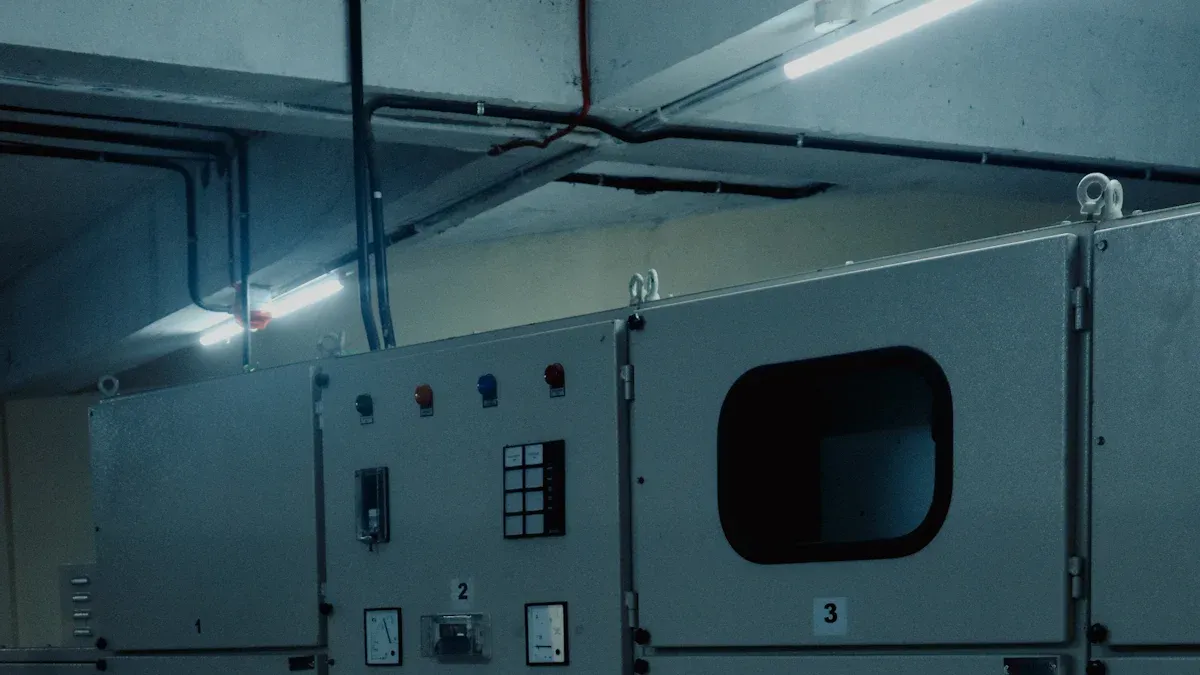
Sound attenuation features
I once believed all generators sounded like a lawnmower on a caffeine rush. Then I discovered the magic behind noise reduction. The best diesel generator super silent models use a mix of clever engineering and tough materials to hush the engine. I love a good table, so here’s what I look for when I want peace and quiet:
| Feature | Description |
|---|---|
| Noise Reduction Technology | Insulated enclosures, vibration dampers, and special exhaust systems keep things quiet. |
| Quiet Engines | Designed to purr instead of roar, these engines run smoother and softer. |
| Compact Design | Smaller, smarter shapes help keep noise from bouncing around my backyard. |
| Inverter Technology | The engine slows down when I use less power, so it whispers during movie night. |
| Soundproofing Materials | Thick, absorbent layers soak up sound before it escapes. |
| Advanced Soundproofing | Extra layers and precise construction push noise levels even lower. |
| Military-grade Insulation | Top-tier insulation brings sound down to as low as 65 dB(A)—that’s softer than my dishwasher. |
I once stood next to a generator with military-grade insulation. I could barely hear it over the birds. That’s the kind of quiet I want when I’m sipping coffee on my porch.
Compliance with residential noise rules
I live in a neighborhood where everyone knows if you sneeze too loud. Noise rules matter. Cities like Tokyo and Paris set the bar high—generators must stay below 55 decibels during the day. That’s about as loud as a normal conversation. I always check the decibel rating before I buy. Here’s what I keep in mind:
- Sound intensity is measured in decibels (dB). Lower is better for my sanity.
- Silencer ratings come in different grades: industrial, commercial, residential, and hospital. I always pick residential or better.
- The Electrical Generating Systems Association (EGSA) created a guide to help folks like me compare silence ratings.
- Urban Acoustics Reports from 2023 show that stricter rules are popping up everywhere.
Tip: I always check my city’s rules before installing a generator. I don’t want a visit from the noise police—or my neighbor with the megaphone.
LETON POWER’s approach
I’ve seen a lot of brands, but LETON POWER stands out when it comes to keeping things quiet. They use advanced design and technology focused on noise reduction. Their generators come with multi-layer shielding and sound insulation covers. I like knowing that every model uses technical measures to meet residential noise standards. LETON POWER’s attention to detail means I can run my generator without worrying about breaking any rules—or waking up the whole block.
When I want backup power that won’t ruin my peace and quiet, I trust LETON POWER’s approach to noise reduction. My ears—and my neighbors—thank me every time.
Maintenance for diesel generator super silent
Routine checklist
I treat my diesel generator super silent like a prized car. If I skip a tune-up, it lets me know—usually at the worst time. Over the years, I’ve built a routine that keeps my generator purring and my lights on. Here’s my go-to checklist:
| Maintenance Task | Description |
|---|---|
| Checking oil levels | I make sure the oil sits at the right mark. Low oil means trouble. |
| Changing the oil | Fresh oil keeps the engine happy and running smooth. |
| Cleaning air filters | Dusty filters choke the engine. I clean them for better airflow. |
| Inspecting fuel filters | I check for clogs so fuel flows freely. |
| Ensuring cooling system | I peek at the coolant and hoses to stop overheating before it starts. |
I also check the fuel tank, monitor the coolant, and make sure the battery has enough juice. I keep a sticky note on my fridge as a reminder. Skipping these steps? That’s a recipe for a blackout during movie night.
Troubleshooting basics
Sometimes, my generator throws a tantrum. I’ve faced everything from stubborn starts to mysterious leaks. Here’s my quick-hit list of common issues and what I do:
- Failure to start: I check the battery and fuel. Sometimes, it just needs a little encouragement.
- Stalling when activated: I look for clogged gas lines or dirty filters.
- Overheating: I inspect the coolant and make sure the fan spins freely.
- Leaks: I hunt down drips around hoses and seals.
- Wet stacking: I run the generator under load to burn off excess fuel.
- Low power output: I check connections and test the load.
- Generator runs but produces no power: I inspect the circuit breakers and wiring.
Tip: If my generator acts up, I don’t panic. I grab my checklist, take a deep breath, and work through the basics. Most problems have simple fixes.
Service provider options
I love tinkering, but sometimes I call in the pros. There’s no shame in letting experts handle the heavy lifting. I’ve found a few standout service providers who keep my generator in top shape:
| Service Provider | Services Offered | Specialization |
|---|---|---|
| Northeast Generator | Annual & semi-annual maintenance, repairs | All makes and models, even the rare ones |
| Tower Generator | 24/7 support, routine maintenance, emergency response | Seamless backup power for homes |
| PE Home Generators | Professional servicing, authorized Generac provider | Generac home standby generators |
I pick a provider based on my generator’s brand and my need for peace of mind. Some offer emergency service, which saved my bacon during a midnight outage. I always ask about maintenance plans—they keep my generator humming and my stress low.
When in doubt, I trust the experts. They spot issues I might miss and help me avoid costly surprises down the road.
Alternatives to diesel generator super silent
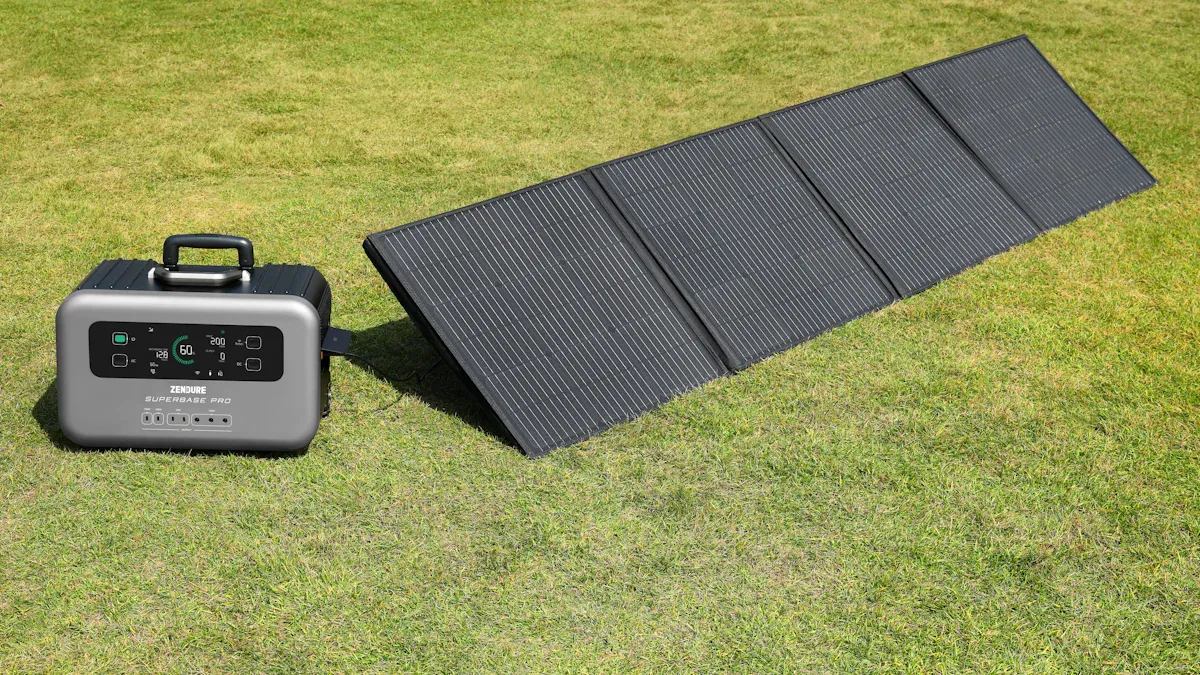
Gasoline and inverter generators
I once owned a gasoline generator. It sat in my garage, waiting for the next thunderstorm. Gasoline generators start quickly and cost less upfront. I could lift mine with one hand and roll it out whenever the lights flickered. Inverter generators take things up a notch. They run smoother and quieter than old-school models. I used one at a family picnic, and nobody complained about the noise. Inverter technology lets the engine adjust its speed, so it sips fuel when I only need a little power.
Here’s a quick look at how they stack up:
| Feature | Gasoline Generator | Inverter Generator |
|---|---|---|
| Noise Level | Loud | Quiet |
| Fuel Efficiency | Moderate | High |
| Portability | Good | Excellent |
| Maintenance | Simple | Simple |
| Cost | Low | Moderate |
Gasoline and inverter generators work well for short outages or camping trips. I wouldn’t trust them for days-long blackouts, but they get the job done when I need a quick fix.
Solar and battery systems
I always dreamed of powering my home with sunshine. Solar and battery systems make that dream possible. I installed solar panels on my roof last summer. Now, my house hums along quietly, even when the grid goes down. No fumes, no fuel runs, no angry neighbors. The batteries store extra energy for nighttime use. I love waking up to a silent house, knowing my backup power comes straight from the sun.
Let me break down the pros and cons:
- Advantages of Solar and Battery Systems:
- Zero emissions during operation. My air feels fresher.
- Lower operational costs. I pay less per unit of electricity than with diesel.
- Minimal maintenance. I check the panels once a month, and that’s it.
- Quiet operation. I can nap in the afternoon without a generator rumbling outside.
- Long lifespan. My system should last 20–25 years.
- Disadvantages of Diesel Generators:
- High emissions. Diesel engines release pollutants I’d rather avoid.
- Noisy operation. Some neighborhoods don’t allow them.
- Higher long-term costs. Fuel and repairs add up.
- Limited operational hours. Not ideal for frequent use.
Solar and battery systems shine in homes with lots of sun and low power needs. I recommend them for anyone who wants clean, quiet energy.
When to choose LETON POWER
Sometimes, I need backup power that works rain or shine. My solar panels sleep during storms, but my LETON POWER super silent diesel generator wakes up and gets to work. I choose LETON POWER when I need reliable power in quiet neighborhoods or during events where silence matters. Their generators run smoothly and stay within residential noise limits. I trust LETON POWER for peace of mind when the weather turns wild or the grid goes down for hours.
If you want backup power that won’t disturb your neighbors or your sleep, LETON POWER’s super silent diesel generator is my top pick.
Choosing the best backup power for your home
Matching needs and features
I remember the first time I shopped for a backup generator. I felt like a kid in a candy store—so many choices, but which one would actually keep my ice cream frozen during a blackout? I learned that matching my needs with the right features made all the difference. I started by making a checklist. Here’s what I used to compare my options:
| Criteria | Description |
|---|---|
| Power Capacity | I measured my home’s needs in KW, KVA, and WATT. No more guessing games. |
| Fuel Consumption | I looked for models that sipped fuel, not guzzled it, and had big tanks for fewer refills. |
| Noise Levels | I wanted a generator that whispered, not shouted, so I checked for soundproofing. |
| Size and Portability | My garage isn’t a warehouse. I picked a size and weight I could actually move and install. |
| Brand and Warranty | I stuck with brands that stood behind their products with solid warranties. |
I always ask myself: Do I want a generator that can power the whole house, or just the essentials? If I only need to keep the fridge, lights, and Wi-Fi running, I don’t need a monster machine. I match the generator’s features to my real-life needs, not just my wish list.
Budget and long-term value
I love a good deal, but I also know that the cheapest option isn’t always the best. When I looked at diesel generator super silent units, I noticed they offered real savings over time. Here’s what stood out to me:
- Diesel generators save up to 30% in fuel costs compared to gasoline models. My wallet likes that.
- They last 7-8 times longer—we’re talking 10,000-20,000 hours of use, while gasoline units tap out at 1,500-3,000 hours.
- Maintenance costs stay reasonable. I spend about $100 to $400 a year, and that keeps my generator humming for years longer.
I think about the total cost, not just the sticker price. A diesel generator super silent might cost more upfront, but it pays me back with lower fuel bills and fewer replacements. That’s long-term value I can count on.
Customization with LETON POWER
Sometimes, I want my generator to feel like it was made just for me. LETON POWER makes that possible. Their engineering team works with homeowners to design solutions that fit unique needs. I once asked for a custom logo and packaging, and they delivered—no minimum order headaches.
| Customization Type | Minimum Order |
|---|---|
| Customized logo | 1 set |
| Customized packaging | 1 set |
| Graphic customization | 1 set |
I can choose from minor tweaks, drawing-based changes, or even full customization. LETON POWER listens to what I want, whether it’s a quieter enclosure for my music room or a special look for my backyard setup.
Tip: If you dream of a generator that matches your home’s style or has features just for you, LETON POWER can make it happen.
When I weigh my options, I look at my needs, my budget, and the chance to customize. That’s how I pick the best backup power for my home—one that keeps the lights on and my life running smoothly.
I’ve seen the diesel generator super silent keep my house bright and my nights peaceful. It brings quiet power, fuel savings, and tough reliability. Still, it asks for regular care and a good spot in the yard. I always weigh my needs, my budget, and my love for silence before choosing. When I want backup power that fits my life, I talk to the pros:
- LETON POWER for custom solutions and quiet tech
- Taylor Power Systems for reliable home backup
- Leete Generators for tailored setups in outage-prone areas
I pick what works best for my home and never hesitate to ask for expert advice.
FAQ
How quiet is a diesel generator super silent?
I once ran mine during a backyard barbecue. My friends heard the sizzle of burgers, not the generator. Most models hum at 50–65 dB—about as loud as a normal conversation. My neighbors barely notice it’s on!
Can I run my whole house on a super silent diesel generator?
I can, but only if I pick the right size. I always check my total wattage needs first. If I want to power everything—AC, fridge, lights—I choose a higher kVA model. Otherwise, I stick to the essentials.
How often do I need to maintain my generator?
I treat my generator like my car. I check oil and coolant monthly, run it weekly, and change filters yearly. Regular care keeps it ready for any blackout. Skipping maintenance? That’s a recipe for trouble.
Is installation complicated?
I learned the hard way—don’t just plop it anywhere! I needed a solid base, safe distance from the house, and good airflow. I called a pro for the first setup. Now, I can handle the basics myself.
What fuel does a super silent diesel generator use?
Diesel, of course! I fill up at the local station. Diesel lasts longer in storage than gasoline, so I don’t worry about stale fuel. I always keep a few extra gallons handy for storm season.
Are super silent diesel generators eco-friendly?
Modern models run cleaner than ever. I picked one with lower emissions and better fuel efficiency. I still keep an eye on local regulations, though. For the greenest option, I sometimes pair it with solar panels.
Can I customize my generator with LETON POWER?
Absolutely! I once asked for a custom logo and quieter enclosure. LETON POWER delivered both. They offer options for logos, packaging, and even special soundproofing. I love having a generator that fits my style.
What happens if my generator won’t start?
I don’t panic. I check the battery, fuel, and filters first. Sometimes, it just needs a quick fix. If I get stuck, I call a service pro. Most issues have simple solutions—no need to stress!

