

Proactive industrial generator repair keeps critical systems running and protects investments in 2025. Facility managers who follow proven tips can avoid costly downtime and extend equipment life. Regular maintenance reduces expenses by preventing minor issues from escalating into major repairs.
| Maintenance Type | Cost Comparison |
|---|---|
| Routine Maintenance | Significantly lower than neglect costs |
| Neglected Maintenance | Leads to expensive repairs and downtime |
Facility teams that prioritize commercial generator maintenance experience fewer emergencies. Simple strategies help maintain generator reliability and performance.
- Regular maintenance prevents minor issues from becoming major repairs.
- The cost of routine maintenance is much lower than neglecting it.
- Avoiding maintenance can lead to more costly repairs.
Key Takeaways
- Regular maintenance prevents minor issues from escalating into costly repairs.
- Routine inspections help detect problems early, reducing repair costs and extending equipment life.
- Changing oil and filters at recommended intervals is crucial for preventing engine damage.
- A structured inspection schedule ensures consistent maintenance and compliance with industry standards.
- Proper battery care, including regular testing and timely replacement, ensures reliable generator starts.
- Load testing verifies that generators can handle real-world power demands, preventing failures during emergencies.
- Protective coverings shield generators from environmental hazards, enhancing their lifespan and performance.
- Following manufacturer guidelines for maintenance and parts ensures optimal generator operation and warranty compliance.
Routine Inspections
Routine inspections form the foundation of reliable generator operation. Facility managers who conduct regular checks can detect issues early and prevent unexpected failures. Early detection reduces repair costs and extends equipment life. Routine inspections also support compliance with industry standards for commercial generator maintenance.
Visual Checks
Visual checks allow teams to spot problems before they escalate. They should look for signs of wear, damage, or operational concerns every time they use the generator.
Leaks and Corrosion
Leaks and corrosion often indicate underlying problems. Technicians should inspect the generator for oil, coolant, or fuel leaks. Corrosion on terminals, connectors, or metal surfaces can lead to electrical failures and reduced performance. Addressing these issues promptly prevents further damage.
Loose Connections
Loose connections can cause voltage drops, overheating, or even fires. Inspectors should check all wiring, terminals, and mounting hardware. Tightening connections during routine inspections ensures safe and efficient generator operation.
Tip: The most common issues detected during routine generator inspections include fuel contamination, battery failures, and starter or control problems. Regular checks for water, microbial growth, and sludge in the fuel system help prevent contamination. Battery testing and timely replacement reduce the risk of failure. Inspecting starters, relays, and control panels ensures reliable performance.
Inspection Schedule
A structured inspection schedule helps facility managers plan a maintenance schedule and maintain consistency. Teams should perform a quick visual check every time they use the generator. This includes looking for visible issues, signs of overheating, or leaks. A monthly in-depth inspection should cover oil and fuel levels, alignment tests, and a thorough review of all components. An annual comprehensive evaluation ensures all systems function optimally.
| Service Type | Frequency | Tasks Included |
|---|---|---|
| Minor Service | Monthly, Quarterly, Semi-Annual | Check air filter, cooling system, fan belts, battery, oil level, fuel system, exhaust system, etc. |
| Major Service | Annually | Replace engine oil, oil filters, air filter, spark plugs, perform load bank test, etc. |
| Building Load Test | Monthly | Test generator under real-world conditions to ensure it can handle the required load. |
| Load Bank Test | Every three years (recommended annually) | Test generator output by simulating a load to ensure voltage and current levels are maintained. |
Industry standards recommend weekly self-inspections, detailed monthly checks, and annual technician visits. Weekly tasks include starting the generator and checking for leaks. Monthly inspections involve checking oil, coolant, and battery condition. Semi-annual and annual maintenance should be performed by licensed technicians, including comprehensive system checks and necessary replacements.
Facility managers who follow these generator maintenance tips can minimize downtime and maximize reliability. A consistent inspection routine supports long-term performance and safety.
Oil and Filter Changes
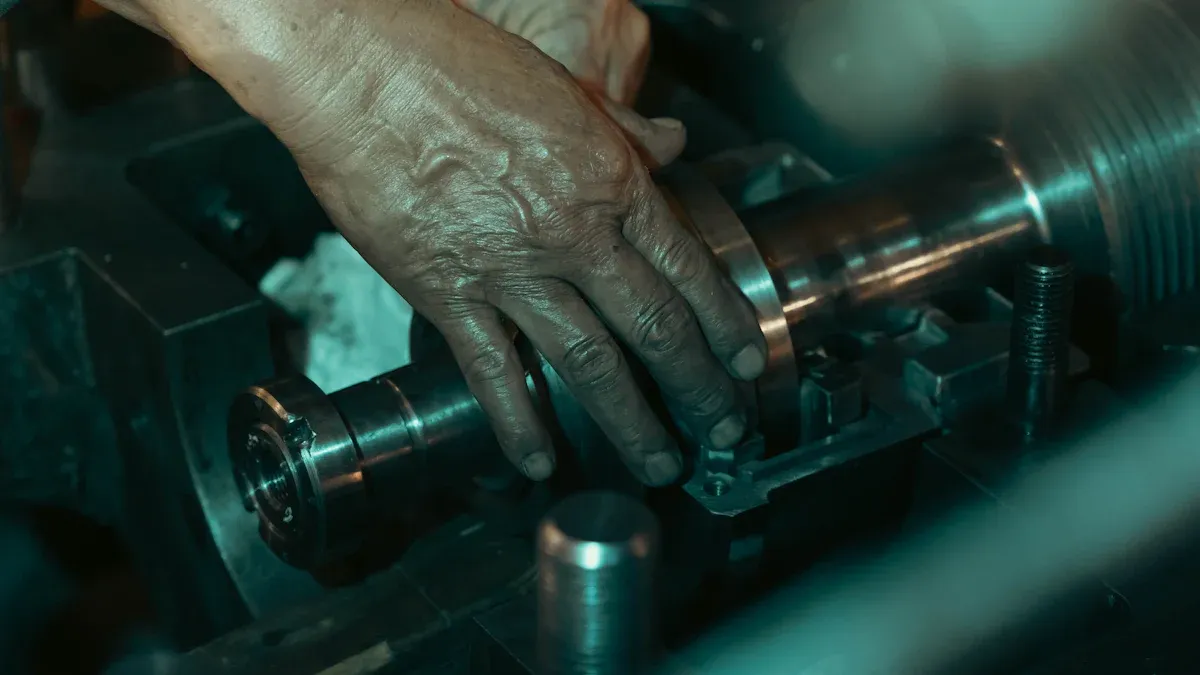
Regular oil and filter changes keep a generator running smoothly and extend its lifespan. Facility managers who prioritize this essential maintenance step help prevent unexpected failures and costly repairs. Oil serves several critical functions in a generator. It cools the engine, reduces friction, traps contaminants, and prevents overheating. Without timely oil changes, the generator faces increased wear and the risk of severe engine damage.
Oil Quality
High-quality oil protects engine components and ensures reliable performance. Over time, oil degrades and loses its ability to lubricate and cool effectively. Stale oil can cause poor performance and widespread damage to internal engine parts. Synthetic oil offers improved protection for moving components, especially under heavy loads or extreme conditions.
Checking Levels
Facility teams should inspect oil levels every few weeks. This simple step maintains proper lubrication and prevents engine damage. Heavy use or poor-quality fuel can accelerate oil breakdown, making frequent checks even more important. A generator that operates under heavy loads or in harsh environments may require more frequent oil inspections.
Tip: Always check the filters during oil inspections. Clogged filters reduce oil flow and increase the risk of overheating.
Replacement Intervals
Changing oil and filters at recommended intervals prevents engine overheating and wear. Diesel generators often need more frequent oil changes than natural gas models. Poor-quality fuel can also lead to faster oil contamination. Following a strict replacement schedule avoids severe engine damage, overheating, and potential breakdowns. Neglecting regular oil and filter changes can result in expensive problems such as frozen pipes, flooding, or food spoilage in critical facilities.
| Generator Type | Recommended Oil Change Interval |
|---|---|
| Diesel | Every 250 hours or 6 months |
| Natural Gas | Every 500 hours or 12 months |
| Heavy Load Use | More frequent checks required |
Air Filter Maintenance
Air filters play a vital role in protecting the generator engine from dust and debris. Dirty or clogged filters restrict airflow, causing the engine to work harder and overheat. Facility managers should check the filters during every inspection and replace them as needed. Clean air filters ensure optimal combustion, reduce wear, and support efficient generator operation.
A consistent oil and filter maintenance routine helps facility teams avoid costly repairs and downtime. By following these best practices, managers can keep their generators ready for any demand.
Coolant System Care
A well-maintained coolant system protects the generator from overheating and costly damage. Facility managers who focus on coolant care ensure reliable performance during peak demand and extend equipment life.
Preventing Overheating
Generators face significant stress during high-load operation. Overheating remains a leading cause of engine failure. Facility teams can prevent temperature spikes by following a structured approach:
- Check coolant levels, belts, and hoses before each use.
- Place the generator in a well-ventilated area to support heat dissipation.
- Keep the generator clean and free from dust or debris.
- Avoid positioning the generator near other heat sources.
- Provide shelter from direct sunlight, especially in outdoor installations.
- Never overload the generator beyond its rated capacity.
- Run the generator regularly to maintain optimal condition.
- Use the correct oil viscosity for the operating environment.
- Consider synthetic lubricants for enhanced performance.
Tip: Clean exhaust areas and keep them clear to prevent hot air buildup. Regular cleaning of the generator exterior also helps reduce the risk of overheating.
Coolant Checks
Routine coolant checks form the backbone of generator reliability. Facility managers should inspect coolant levels, concentration, and pH value. Low coolant or improper mixture can lead to corrosion and poor heat transfer. Teams must look for leaks in hoses, joints, and the radiator. Any sign of coolant loss requires immediate attention to prevent engine damage.
System Flushing
System flushing removes contaminants and old coolant that can reduce efficiency. Most manufacturers recommend flushing the radiator and replacing coolant every one to two years. Facility teams should consult the generator manual for specific intervals. Using high-quality coolant that meets the generator’s specifications prevents corrosion and scale buildup. Mixing different coolant types can reduce effectiveness and should be avoided.
Manufacturer Guidelines
Manufacturers provide detailed instructions for coolant system care. Facility managers must follow these guidelines to ensure compliance with NFPA 110 and maintain warranty coverage. Key recommendations include:
- Conduct regular inspections to check coolant levels and look for leaks or damage.
- Use only approved coolant and avoid mixing types.
- Keep the radiator clean for optimal heat dissipation.
- Check the tension of belts driving the fan and water pump.
- Replace coolant according to the manufacturer’s schedule.
Routine maintenance of the cooling system ensures the generator operates safely and efficiently during emergencies. Adhering to these best practices minimizes the risk of overheating and supports long-term reliability.
Battery Maintenance
Proper battery maintenance ensures a generator starts reliably during emergencies. Facility managers who focus on battery health reduce the risk of unexpected failures and costly downtime. Batteries serve as the heart of the starting system, making their upkeep a top priority for any industrial generator.
Battery Health
A healthy battery delivers consistent power and supports generator performance. Teams should use proven methods to assess battery condition and prevent sudden breakdowns.
Voltage Testing
Technicians rely on several reliable methods to evaluate battery health:
- Open Circuit Voltage (OCV) measurement checks the state of charge when the generator is off.
- Voltage and current analysis under load reveals internal resistance and power delivery efficiency.
- Current tests measure charge and discharge behavior.
- Electrochemical Impedance Spectroscopy (EIS) tracks battery degradation over time.
Routine voltage and load testing helps identify batteries that fall below 80% capacity. Manufacturers often recommend immediate replacement in these cases to maintain generator reliability.
Terminal Cleaning
Corrosion on battery terminals can disrupt the flow of electricity and prevent the generator from starting. Facility teams should inspect terminals for buildup and clean them with a wire brush or approved cleaner. Regular cleaning ensures a strong connection and reduces the risk of voltage drops. During inspections, teams should also check for signs of leakage or physical damage.
Replacement Timing
Timely battery replacement prevents unexpected generator failures. Most manufacturers recommend replacing industrial generator batteries every three to five years. Battery lifespan depends on type, usage frequency, maintenance practices, and environmental conditions.
- Log and monitor the battery’s purchase date.
- Check specific gravity and electrolyte levels regularly.
- Ensure a trickle charge is available to keep the battery ready.
- Test battery voltage and perform load tests periodically.
- Inspect for damage, corrosion, or leakage during routine generator maintenance.
Replacing your generator battery every 2 to 3 years is a good rule of thumb to ensure reliable operation.
A proactive approach to battery care supports generator readiness and extends equipment life. Facility managers who follow these best practices can minimize downtime and maintain critical operations.
Load Testing

Load testing stands as a critical component in industrial generator repair. Facility managers rely on this process to verify that generators will perform reliably during real-world power outages. Without regular load testing, generators may develop issues such as wet stacking, unstable voltage, or fuel system problems, all of which can lead to failure during emergencies.
Power Demand Checks
Routine power demand checks help teams confirm that a generator can handle the required load. These checks simulate actual operating conditions and reveal hidden weaknesses before they cause downtime.
Load Test Procedures
Technicians follow a structured approach for load testing:
- Review manufacturer guidelines and industry standards, such as NFPA 110, to determine test duration and load increments.
- Connect a calibrated load bank to the generator.
- Gradually apply load in increments, monitoring voltage, frequency, and temperature at each stage.
- Record all operating parameters, including environmental conditions and any abnormalities.
- Remove the load in stages and allow the generator to cool down.
Testing procedures must adhere to manufacturer protocols and regulatory standards. This ensures accurate results and maintains compliance.
Frequency of Testing
Best practices for scheduling load tests include:
- Annual testing to meet minimum regulatory requirements.
- Additional tests after major repairs or service work.
- Seasonal preparation before periods of high demand or severe weather.
- Pre-emergency testing before planned utility outages.
- Immediate testing after any generator failure during an outage.
Facility managers should document each test thoroughly. Detailed records support compliance, trend analysis, and future maintenance planning.
Performance Assessment
During load testing, teams assess generator performance using key metrics. These measurements help identify potential failures and ensure stable power output.
| Metric | Ideal Range | Purpose |
|---|---|---|
| Voltage Stability | ±1% at rated load | Indicates alternator and regulator health |
| Frequency | 59.8–60.2 Hz | Ensures consistent rotational speed |
| Oil Pressure | 40–70 psi | Verifies proper lubrication |
| Coolant Temperature | 180–210°F | Monitors thermal stability |
| Exhaust Temperature | 800–1100°F | Confirms combustion efficiency |
Teams also monitor engine temperature, pressure, output levels, and fuel consumption. These data points provide a comprehensive view of generator health.
Regular load testing extends equipment life, prevents unexpected failures, and supports compliance for critical facilities such as hospitals. Facility managers who prioritize this aspect of generator maintenance reduce the risk of costly downtime and ensure operational readiness.
Protective Covering
Industrial generators face constant exposure to environmental hazards. Facility managers must implement effective protective covering strategies to ensure reliable operation and extend equipment life.
Weather Protection
Weather conditions can significantly impact generator performance and longevity. Freezing winters and scorching summers create challenges that affect efficiency and durability. Proper weather protection measures help enhance the lifespan of any generator.
Covers and Shelters
Selecting the right covering is essential for safeguarding generators from harsh weather. The table below compares common protective options:
| Type of Covering | Pros | Cons |
|---|---|---|
| Running Covers | Affordable, easy to install, allows for ventilation | Not suitable for extreme weather, mainly protects from above |
| Customized Boxes | Offers better weather protection, automated ventilation, noise reduction | More expensive, may require custom orders |
| DIY Enclosures | Can be tailored to specific needs, potentially cost-effective | Risk of poor construction, may lack adequate ventilation and heat dissipation |
Running covers provide basic protection and suit mild climates. Customized boxes offer superior defense against rain, snow, and wind, while also reducing noise. DIY enclosures allow for flexibility but require careful design to avoid overheating.
Facility managers should choose a covering that matches the local climate and operational needs. Proper ventilation remains critical to prevent heat buildup inside the enclosure.
Seasonal Storage
Generators often require different storage solutions depending on the season. During winter, teams should use insulated covers to shield equipment from freezing temperatures. In summer, shelters with adequate airflow help prevent overheating. Storing generators in a dry, elevated location protects them from moisture and flooding. Regular inspections during seasonal changes ensure that coverings remain intact and effective.
- Weather conditions influence generator efficiency and lifespan.
- Severe weather can shorten a generator’s service life and increase replacement costs.
- Seasonal storage strategies help optimize generator performance throughout the year.
Environmental Risks
Environmental hazards present additional challenges for generator protection. Facility managers must assess risks such as flooding, fire, and extreme weather when selecting coverings.
| Environmental Risk | Considerations |
|---|---|
| Flooding | Avoid locating equipment in flood-prone areas; consider elevated structures above the flood plane. |
| Fire | Design enclosures to minimize fire hazards and ensure proper fire safety measures are in place. |
| Extreme Weather Conditions | Protect equipment from wind, earthquakes, and lightning based on geographic location. |
Improper fuel handling can also create fire hazards and environmental contamination. Teams should follow best practices for storage and handling to prevent leaks and spills. Recognizing these risks allows facility managers to implement targeted solutions that protect both the generator and the surrounding environment.
By addressing weather and environmental risks, facility managers can ensure reliable generator operation and reduce the need for emergency repairs. Effective protective covering forms a key part of any generator maintenance plan.
Fuel System Inspection
A thorough fuel system inspection remains essential for reliable generator operation. Facility managers who prioritize this aspect of maintenance can prevent costly breakdowns and ensure consistent performance.
Fuel Quality
High-quality fuel supports efficient combustion and extends generator life. Poor fuel quality often leads to incomplete combustion, wet stacking, and increased emissions. Diesel fuel, especially ultra-low sulfur and biodiesel blends, degrades quickly. Within one month, studies show a 26% increase in degradation due to sludge, particulates, water, and microbial growth. These contaminants compromise oxidation stability and can clog filters or injectors, reducing generator reliability.
Contamination Prevention
Contaminated fuel causes corrosion, clogging, and combustion issues. Facility teams should take proactive steps to prevent contamination:
- Inspect storage tanks for water, dirt, and microbial growth.
- Use water-finding paste on dipsticks to detect water presence.
- Draw samples from the middle of the tank to check for clarity and sediment.
- Test for microbial growth with approved kits.
- Replace filters regularly to avoid blockages.
Regular generator operation helps keep fuel pumps primed and prevents air from entering the system. Teams should also bleed air from fuel lines when necessary.
| Issue | Description |
|---|---|
| Fuel Supply Issues | The generator may receive too little or no fuel due to clogged filters, air in lines, or pump failure. |
| Contaminated Fuel | Fuel may contain water, dirt, or microbes, leading to corrosion, clogging, and combustion issues. |
| Fuel Leaks | Leaks from hoses or connections can waste fuel and create fire hazards. |
Additives and Stabilizers
Additives and stabilizers play a key role in preserving fuel quality. Facility managers should consider using stabilizers to slow degradation and prevent sludge formation. Additives can also inhibit microbial growth and improve combustion efficiency. Regular testing ensures that fuel remains within acceptable pH and clarity levels. When contamination is detected, fuel polishing services can restore quality and protect the generator.
Delivery System Checks
A reliable delivery system ensures that the generator receives a steady supply of clean fuel. Facility teams should follow a structured inspection process:
- Record the initial gauge reading from the primary fuel indicator.
- Compare electronic and manual readings for accuracy.
- Use a calibrated measuring stick to verify actual fuel volume.
- Examine all fuel lines and fittings for cracks, wear, or leaks.
- Replace worn hoses before failure occurs.
- Test transfer pumps for proper operation and capacity.
- Check alarm systems for low fuel and other alerts.
- Document all findings and arrange refueling if levels fall below 70% of the required amount.
Facility managers should run the generator regularly to keep the delivery system in optimal condition. Routine inspections help identify issues early and support long-term reliability.
A comprehensive approach to fuel system inspection protects the generator from common failures and supports uninterrupted operation during critical events.
Regular Starting
Regular starting routines play a vital role in keeping any generator ready for emergencies. Facility managers who schedule consistent start-ups help prevent mechanical issues and ensure the generator remains in peak condition. This practice supports both reliability and longevity.
Engine Lubrication
Proper lubrication protects engine components from friction and wear. When a generator sits idle for long periods, oil can settle and fail to coat moving parts. Regular starting circulates oil throughout the engine, reducing the risk of damage.
Start-Up Schedule
A structured start-up schedule keeps the generator in optimal working order. Most experts recommend starting the generator at least once every week or two. During each session, the engine should run long enough to reach normal operating temperature. This process allows oil to flow through all critical areas and helps identify any unusual noises or warning lights.
Tip: Always record each start-up in a logbook. Tracking start-up dates and run times helps facility managers spot patterns and address potential issues early.
Inactivity Risks
Extended inactivity can lead to several problems. Oil may drain away from vital surfaces, increasing the risk of corrosion and dry starts. Fuel can become stale, and batteries may lose charge. Seals and gaskets might dry out, causing leaks when the generator finally runs. Regular starting prevents these issues and keeps the generator ready for immediate use.
Operational Readiness
Operational readiness ensures the generator will perform when needed. Facility managers should follow a comprehensive checklist to maintain this state, especially during periods of inactivity.
- Check and replace fuel regularly to prevent stagnation.
- Test and maintain battery condition to avoid depletion.
- Inspect fuel lines and filters for leaks or blockages.
- Conduct load bank testing to confirm the generator can handle full capacity.
- Monitor and replace coolant to prevent corrosion.
- Control and replace oil levels to maintain generator parts.
Consistent attention to these tasks reduces the risk of failure during critical events. Facility teams that prioritize operational readiness can trust their generator to deliver reliable power at a moment’s notice.
Belt and Hose Checks
Industrial generator reliability depends on the condition of belts and hoses. These components play a critical role in transferring power and fluids throughout the system. Facility managers must prioritize regular checks to prevent unexpected failures and costly downtime.
Wear and Tear
Belts and hoses experience constant stress during generator operation. Over time, they can degrade, leading to reduced performance or sudden breakdowns.
Visual Inspection
Technicians should perform visual inspections during every generator check. They need to look for cracks, fraying, or glazing on belts. Hoses require examination for leaks, bulges, or soft spots. The table below outlines key inspection criteria:
| Inspection Criteria | Description |
|---|---|
| Belts | Look for wear, cracks, or loose fittings. |
| Hoses | Check for leaks and overall condition. |
A flashlight helps reveal hidden damage. Teams should also listen for squealing noises, which often indicate belt slippage.
Replacement Signs
Clear signs signal the need for immediate replacement. Belts that show visible cracks, missing chunks, or excessive slack must be replaced. Hoses with leaks, swelling, or hardened surfaces indicate advanced wear. Facility managers should never ignore these warning signs, as failure can halt generator operation during critical moments.
Technicians should document each inspection and replacement. Accurate records support long-term generator reliability.
Preventive Actions
Preventive actions extend the lifespan of belts and hoses. Facility teams should follow these best practices:
- Schedule regular inspections to identify wear and tear early.
- Clean generator components to prevent debris buildup.
- Check fluid levels, belts, and hoses during every maintenance session.
- Lubricate moving parts to reduce friction and wear.
- Replace critical parts, such as coolant hoses and v-belts, every three years.
- Pay special attention to batteries, coolant, and v-belts during inspections.
Routine cleaning and inspection keep the generator in good working order. Teams should address minor issues before they escalate. These steps help avoid breakdowns and ensure the generator remains ready for any demand.
Consistent preventive actions reduce repair costs and support uninterrupted power supply.
Manufacturer Guidelines
Manufacturers set clear standards for generator care to ensure optimal performance and safety. Facility managers who follow these guidelines can extend equipment life and reduce the risk of unexpected failures. Adhering to manufacturer instructions also helps maintain warranty coverage and regulatory compliance.
Compliance
Maintenance Schedules
Manufacturers provide detailed schedules for generator upkeep. These schedules outline when to perform essential tasks, helping facility teams avoid missed steps. The following table summarizes a typical maintenance schedule for industrial generators in 2025:
| Maintenance Task | Frequency |
|---|---|
| Run the generator under load | Weekly |
| Check fluid levels | Weekly |
| Inspect the battery | Monthly |
| Change oil and replace oil filter | Quarterly or 100-Hours |
| Replace fuel and air filters | Annual or 500-Hours |
| Load bank test | Annual or 500-Hours |
Facility managers should document each completed task. Accurate records support compliance with commercial generator maintenance standards and simplify audits.
Regular attention to these intervals helps prevent minor issues from escalating into major generator failures.
Approved Parts
Using approved parts is essential for reliable generator operation. Manufacturers test and certify specific components for compatibility and safety. Facility teams should always source filters, belts, hoses, and fluids from authorized suppliers. Substituting unapproved parts can void warranties and increase the risk of breakdowns.
- Always verify part numbers before ordering replacements.
- Store spare parts in a clean, dry environment.
- Train staff to recognize genuine components and avoid counterfeits.
LETON POWER Recommendations
LETON POWER stands out as a leading Chinese manufacturer of diesel generator sets. The company primarily equips its generators with Cummins and Perkins engines, known for their durability and global support. LETON POWER also offers models featuring Weichai, Isuzu, and Kubota engines, providing a wide range of options for different operational needs.
Facility managers value LETON POWER for its ability to deliver customized generator solutions. The company adapts to unique site requirements, offering tailored configurations for power output, control systems, and enclosures. LETON POWER has built a reputation for affordable, quality products that meet international standards.
LETON POWER recommends following the manufacturer’s maintenance schedule closely. The company advises using only approved parts and fluids to ensure long-term reliability. Facility teams should consult LETON POWER’s technical support for guidance on complex repairs or upgrades.
By following manufacturer guidelines and leveraging expert recommendations, facility managers can maximize generator performance and minimize downtime.
Consistent industrial generator repair remains essential for long-term reliability. Facility managers who follow proven tips reduce downtime and maximize efficiency. Industrial generator repair strategies help teams address issues before they escalate. Scheduling professional inspections supports safe operation. Adhering to manufacturer guidelines ensures every generator receives proper maintenance. Industrial generator repair protects critical systems. Prioritizing these actions in 2025 will keep operations running smoothly.
FAQ
How often should industrial generators undergo professional inspections?
Facility managers should schedule professional inspections at least once a year. Regular checks by certified technicians help identify hidden issues and ensure compliance with manufacturer guidelines.
What are the most common causes of generator failure?
Battery issues, fuel contamination, and neglected maintenance often cause generator failures. Regular inspections and timely part replacements reduce the risk of unexpected breakdowns.
Can facility staff perform all generator maintenance tasks?
Facility staff can handle basic tasks like visual inspections and fluid checks. Complex repairs and load testing require certified technicians to ensure safety and compliance.
How does weather affect generator performance?
Extreme temperatures, humidity, and flooding can damage generator components. Protective coverings and climate-appropriate storage help maintain reliable operation throughout the year.
Why is load testing important for industrial generators?
Load testing verifies that a generator can handle real-world power demands. This process helps detect performance issues before emergencies occur.
What should facility managers document during maintenance?
Managers should record inspection dates, performed tasks, replaced parts, and test results. Accurate documentation supports compliance and simplifies future maintenance planning.
How can fuel quality be maintained in storage tanks?
Teams should regularly test for water, sediment, and microbial growth. Using stabilizers and additives helps preserve fuel quality and prevents system blockages.
When should belts and hoses be replaced?
Technicians should replace belts and hoses at the first sign of cracks, leaks, or excessive wear. Scheduled replacements every three years further reduce the risk of failure.

