

I call the automatic voltage regulator for generator a hidden hero of power. This clever device keeps the generator’s voltage steady, even when things get crazy. When voltage goes up or down, problems can happen. Here is what can go wrong:
| Aspect | Impact |
|---|---|
| Safety | Changing voltages can make equipment break and put workers in danger. |
| Equipment Longevity | Voltage changes can make machines too hot and wear out faster, which can break them. |
| Operational Costs | Steady voltage helps machines work well, so energy bills and lost work go down. |
| Production Efficiency | Machines that get the right voltage work their best, so you get more and better products. |
| Reliability | Steady voltage means fewer surprise shutdowns and broken machines, so work keeps going. |
I count on my automatic voltage regulator to keep things safe, working well, and dependable.
Key Takeaways
- An automatic voltage regulator (AVR) keeps the generator voltage steady. It protects equipment and helps keep people safe. Stable voltage lets machines work well. This lowers costs and makes products better. AVRs notice voltage changes fast. They adjust to keep the right output level. You should check and clean the AVR often. This helps your generator last longer. If the AVR fails, you may see flickering lights. You might also see changing voltage numbers or hot parts. Pick the right AVR type for your needs. Analog is simple, but digital has more features. Brushless designs are stronger and need less care than brushed ones. If you see power problems, check your AVR. It is very important for your generator and devices.
Automatic Voltage Regulator for Generator Overview
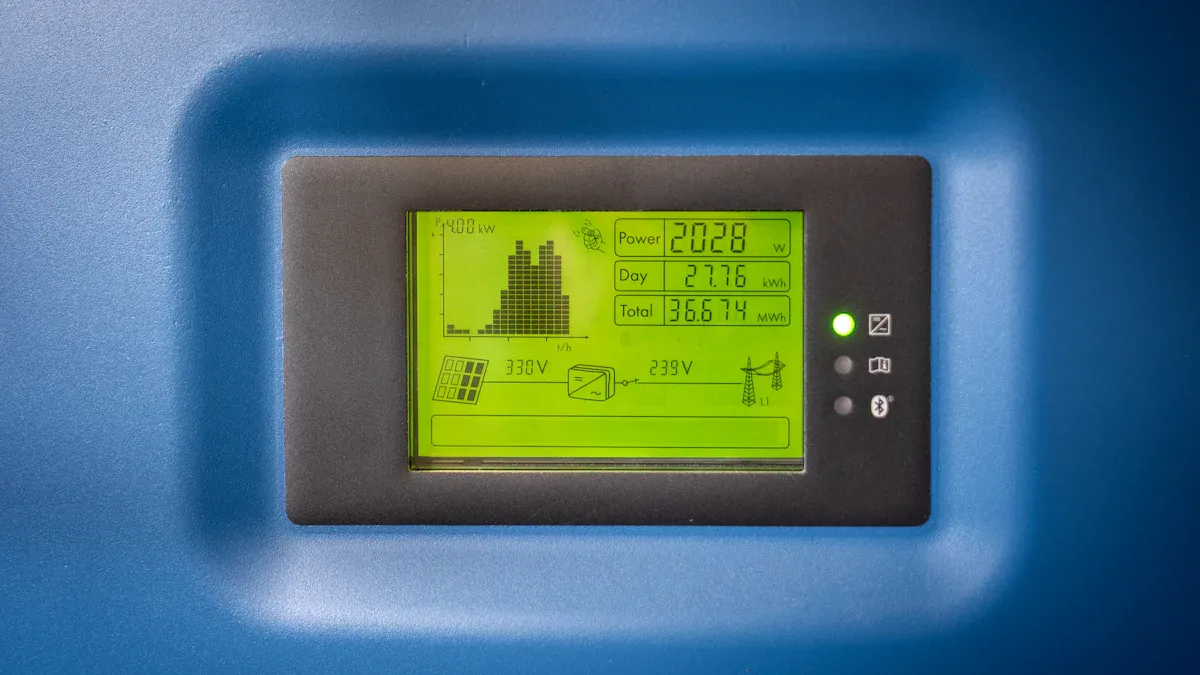
What Is an Automatic Voltage Regulator?
When I looked inside a generator, I saw more than just wires and spinning parts. I found something called an automatic voltage regulator for generator. This device is not just extra equipment. It is a solid-state electronic device that acts like the brain for voltage control. I think of it as a coach for the generator, always watching and making changes to keep voltage steady.
The automatic voltage regulator for generator takes wild voltage and makes it calm and steady. It does this by sensing the voltage coming out and making small changes right away. I like how it works quietly, making sure my lights stay on and my equipment stays safe.
Here are the main parts that help it work:
| Component | Description |
|---|---|
| Automatic Control Circuit | Sends signals to adjust the output voltage based on grid stability and load changes. |
| Servo Motor | Drives the adjustment mechanism to stabilize the output voltage. |
| Carbon Brush Adjustment Mechanism | Adjusts the position of the carbon brush to maintain the rated output voltage. |
I imagine these parts working together like a team in a race, each one doing its job to keep the generator running well.
Core Function and Purpose
The main job of an automatic voltage regulator is simple but important. It keeps the generator’s output voltage at the right level, even when things change fast. I have seen my generator handle sudden changes when someone turns on a big machine or when power use drops. The automatic voltage regulator quickly makes sure the voltage stays where it should.
Here is what I have noticed about automatic voltage regulators:
- They control voltage automatically to keep output steady.
- They keep voltage stable when loads change.
- They protect against voltage changes.
I like to think of the automatic voltage regulator like a thermostat. A thermostat keeps my room at the right temperature. The voltage regulator keeps my generator’s voltage steady. It uses feedback control, always checking and changing things, so I do not have to worry about sudden voltage changes.
Voltage regulators help keep the output voltage steady, usually at the right level, even if the load or conditions change.
Why Generators Need Voltage Regulation
Generators have many challenges. Sometimes the load changes quickly. Sometimes there are faults or bad weather. I have seen voltage go up and down because of overload, faults, or a loose switch. Without voltage regulation, these changes could hurt my equipment or stop everything from working.
Here are some common reasons for voltage changes in generators:
- Changes in load demand
- Faults in the generator
- Switching operations
- Outside problems
I trust automatic voltage regulators to fix these problems. They keep voltage safe, so my equipment is protected, my power is steady, and I do not have to pay for repairs. Voltage regulation is not just a small thing. It is the key to making sure my generator works well and lasts a long time.
I have learned that a good generator avr does more than keep the lights on. It protects my equipment, keeps machines running, and helps me feel calm. That is why I always use an automatic voltage regulator for generator.
How Automatic Voltage Regulators Work
Step-by-Step Operation
Watching my generator work felt exciting. The automatic voltage regulator for generator acts like a coach. It watches and makes changes all the time. Here are the steps it follows.
Sensing Output Voltage
I think of the AVR as having super senses. It checks the generator’s output voltage every second. The sensing circuit is like its eyes and ears. It measures the voltage that comes out. If the voltage changes, the AVR sees it right away. I do not have to worry about missing anything. The AVR finds problems before I do.
Comparing to Reference Value
Next, the AVR works like a judge. It compares the voltage it senses to a reference value. This value is the perfect voltage I want. If the voltage is too high or too low, the AVR does not wait. It makes an error signal. This signal tells the AVR what needs fixing.
Adjusting Exciter Field Current
Now the AVR takes action. It changes the exciter field current. I imagine it turning a knob up or down. It sends more or less DC current to the exciter. The exciter is a small generator inside the big generator. It controls the magnetic field of the main rotor. When the load changes, the AVR boosts or cuts the current. This keeps the voltage steady. The AVR reacts fast, like a goalie stopping a ball.
Stabilizing Output Voltage
Finally, the AVR brings things back to normal. It keeps adjusting until the output voltage matches the reference value. The generator avr keeps watching and comparing. It keeps making changes. This feedback loop means my generator always gives safe power. I get steady voltage, even when the load changes or the weather is bad.
Tip: I check my AVR if I see flickering lights or hear machines struggling. It works hard behind the scenes to keep things smooth.
Key Components of an AVR
I opened my generator once and saw many parts inside. The automatic voltage regulator has important parts that work together. They are like a team of superheroes. Here is what I found:
- Main Stator: This is the big part that does not move. It makes AC power. I think of it as the stage for the action.
- Main Rotor: This part spins inside the stator. Its magnetic field strength decides how much voltage comes out.
- Exciter: This is a small generator. It makes DC current for the main rotor’s magnetic field. It is like the battery pack for the team.
- Sensing Circuit: These are the AVR’s eyes and ears. It measures the output voltage and sends the data to the control system.
These parts talk to each other all the time. The sensing circuit finds out what is happening. The exciter and main rotor make changes. The stator gives the power. The automatic voltage regulator keeps everyone working together. This keeps voltage regulation strong.
Here is a table that shows how these parts help with voltage stabilization:
| Component | Role in Voltage Stabilization |
|---|---|
| Main Stator | Makes AC power |
| Main Rotor | Controls output voltage with its magnetic field |
| Exciter | Gives DC current to the rotor |
| Sensing Circuit | Watches output voltage for the AVR |
I feel sure my generator avr is doing its job. It handles load changes, keeps voltage steady, and protects my equipment. The automatic voltage regulators in my setup make sure electricity stays safe and works well, no matter what.
Importance of Automatic Voltage Regulator in Generator Performance
Benefits of Stable Voltage
I remember plugging my computer into a generator. I felt nervous. Would the screen flicker? Would it crash? My automatic voltage regulator kept everything calm. The lights stayed on. The computer worked well.
Stable voltage does more than help me relax. It helps my machines work right. Here’s what I see when voltage stays steady:
- My equipment works smoothly every day.
- I do not worry about shutdowns.
- The power quality is great.
- I meet safety rules easily.
I like knowing my generator works well, even if the load changes. No more guessing. No more surprises.
Note: Stable voltage means less stress and more fun time—like watching cartoons instead of fixing gadgets!
Protection for Equipment
I saw my friend’s control system crash from wild voltage swings. The screen went black. Everyone panicked. That’s when I learned how much I need automatic voltage regulators.
Sensitive devices like computers and control systems need steady voltage. If voltage jumps or drops, bad things happen:
- Circuit boards can burn.
- Motors can get too hot.
- Control systems can freeze or crash.
Voltage changes can cause big problems for electronics. I want to avoid sparks and expensive repairs. My automatic voltage regulator acts like a superhero. It stops voltage spikes before they hurt my gear. It keeps voltage steady, so my devices stay safe.
Tip: If you hear buzzing or see flickering lights, check your voltage regulator. It might be saving your equipment from trouble!
Impact on Generator Lifespan
I want my generator to last for years. I do not want to buy a new one soon. I learned that stable voltage helps my generator live longer. When voltage jumps, the generator works too hard. Parts wear out fast. Overheating and sparks can break things.
With an automatic voltage regulator, I see less stress on the generator. It does not fight wild voltage swings. This means fewer repairs and a longer life.
Here’s what I notice:
- Overvoltage can fry parts quickly.
- Undervoltage makes motors work too hard.
- Power problems can make electronics act weird or break.
I trust my automatic voltage regulator to keep things running well. My generator stays strong. My equipment stays safe. I get more years from every machine.
Callout: A good voltage regulator is like a fountain of youth for your generator. It keeps everything young and full of energy!
Automatic Voltage Regulator Failure and Risks
Signs of AVR Failure
One day, my generator started acting weird. The lights flashed on and off. My voltage meter numbers jumped around. I got worried. Was my generator voltage regulator broken? Here are some signs I saw:
- Lights flickered and made my workshop look spooky
- Voltage readings changed a lot on my meter
- Some parts got hot and smelled burnt
- Generator ran but did not make power
- Equipment broke, like chargers and screens blinking
- Power was low, so my tools felt weak
- Generator kept turning off and ruined my movie night
- Output voltage changed in strange ways
- Lights flashed or devices acted odd
- Moisture or rust on the AVR looked bad
Tip: If your generator voltage jumps or your devices act strange, check the AVR first. It could be asking for help!
Consequences of Malfunction
When my generator voltage regulator stopped working, things got messy. Power surges hurt my equipment. My computer shut down. My fridge made loud noises. Dirt can build up if you do not clean the AVR. This makes it work worse. Too much load makes the generator hot. That puts stress on the AVR until it fails.
Here is what can happen if the generator voltage goes wild:
| Risk | What I Experienced |
|---|---|
| Power surges | Fuses blew and gadgets broke |
| Dirt buildup | AVR slowed down and voltage was shaky |
| Overheating | Generator stopped and room got hot |
I never want my generator voltage to go crazy again. It feels like a wild animal running loose in my house!
Troubleshooting and Solutions
I acted like a detective when my generator had problems. Here is my plan for fixing AVR issues:
- Turn off the generator and unplug everything. Be safe!
- Find the AVR inside the alternator housing.
- Look for burn marks, melted spots, or loose wires.
- Make sure all wires are tight and clean. No rust!
- Use a screwdriver to adjust voltage settings if you can.
- Turn the generator back on and check voltage with a meter.
- If nothing works, get a new AVR. Sometimes you need a fresh one.
I learned some tricks for common problems:
- If the stabilizer stops after a surge, check the fuse or breaker.
- No output voltage or slow start? Look at the relay board and capacitors.
- If it gets too hot, make sure air can flow and do not overload it.
- If it keeps turning off, check the input voltage.
- If you hear buzzing, check the transformer mountings.
- If the display does not work, fix the wires or change bad parts.
- If voltage changes a lot, watch it closely and keep limits tight.
- If it does not last long, replace old units with new ones.
Note: I always keep my AVR clean, cool, and checked. A healthy AVR means my generator works well!
Types of Automatic Voltage Regulators
Analog vs. Digital AVRs
The first time I saw an analog AVR, it looked like a small robot. It had dials and wires. I had to turn the knobs to set it up. Analog AVRs use things like resistors and capacitors. They remind me of old music players. These AVRs are simple and good for easy jobs. Sometimes, they do not stay on target and need fixing.
Digital AVRs are different. They use microprocessors and software. I just press a button to make them work. Digital AVRs control voltage more exactly. They can react to changes very quickly. I like that they have extra features, like remote checks and automatic tests. Digital AVRs make me feel like I have a special tool.
Tip: If you want a simple setup and smart features, pick digital. If you like fixing things yourself, analog might be better for you.
Brushless vs. Brushed Designs
I once opened a generator and saw brushes inside. They looked like small erasers touching metal. Brushed designs use these brushes to move electricity. I had to clean and change them a lot. Sometimes, the brushes wore out and made the generator too hot. I spent more time fixing than using my machines.
Brushless designs made things easier for me. No brushes means fewer parts to break. I heard less noise and had fewer problems. My repair costs went down. The generator stayed cooler and lasted longer. It felt like getting a new, better scooter.
Here’s a table that shows the differences:
| Feature | Brushless Design | Brushed Design |
|---|---|---|
| Reliability | More reliable with fewer moving parts | Less reliable because brushes wear out |
| Maintenance | Needs less care, no brushes to change | Needs regular care for the brushes |
| Operational Costs | Costs less to run over time | Costs more because of repairs |
| Overheating Issues | Less chance of getting too hot | Gets hot easily from friction |
| Efficiency | Wastes less energy, works better | Wastes more energy as heat |
| Shelf Life | Lasts longer | Wears out faster because of brushes |
Note: I always pick brushless when I want less work and fewer repairs.
Single-Phase vs. Three-Phase AVRs
I use single-phase AVRs in my home workshop. They keep my lights and fans working well. Single-phase regulators are best for small jobs. I like that they are easy to use. I can put them in myself and save money.
Three-phase AVRs are strong. They power big machines and factories. I use them for heavy equipment. Three-phase regulators keep voltage even on all sides. My machines work better and last longer. I see fewer problems and better results.
Here’s a table to help you choose:
| Feature | Single-Phase Regulators | Three-Phase Regulators |
|---|---|---|
| Capacity | Good for lights and fans | Good for big machines and heavy loads |
| Voltage | Works at 230V | Works at 400V or more |
| Efficiency | Not as good for long distances | Better for saving energy |
| Load Balancing | Not needed, only one phase | Keeps voltage even on all phases |
| Design Complexity | Simple, uses one transformer | More complex, uses more transformers |
| Applications | Homes and small shops | Factories and big projects |
| Cost-Effectiveness | Cheaper for small jobs | Costs more at first but saves money later |
Advantages of Single-Phase Regulators:
- Saves money for homes and small shops.
- Simple design and easy to set up.
Disadvantages of Single-Phase Regulators:
- Cannot handle big machines.
- Not good for sending power far away.
Advantages of Three-Phase Regulators:
- Works better and saves more energy.
- Great for factories and big machines.
- Keeps equipment safe by balancing voltage.
Disadvantages of Three-Phase Regulators:
- Harder and more costly to install.
- Too much for small jobs.
Callout: I always pick the right AVR for my job. Small jobs get single-phase. Big jobs get three-phase. My generator always works great!
Location and Maintenance of AVR in Generators
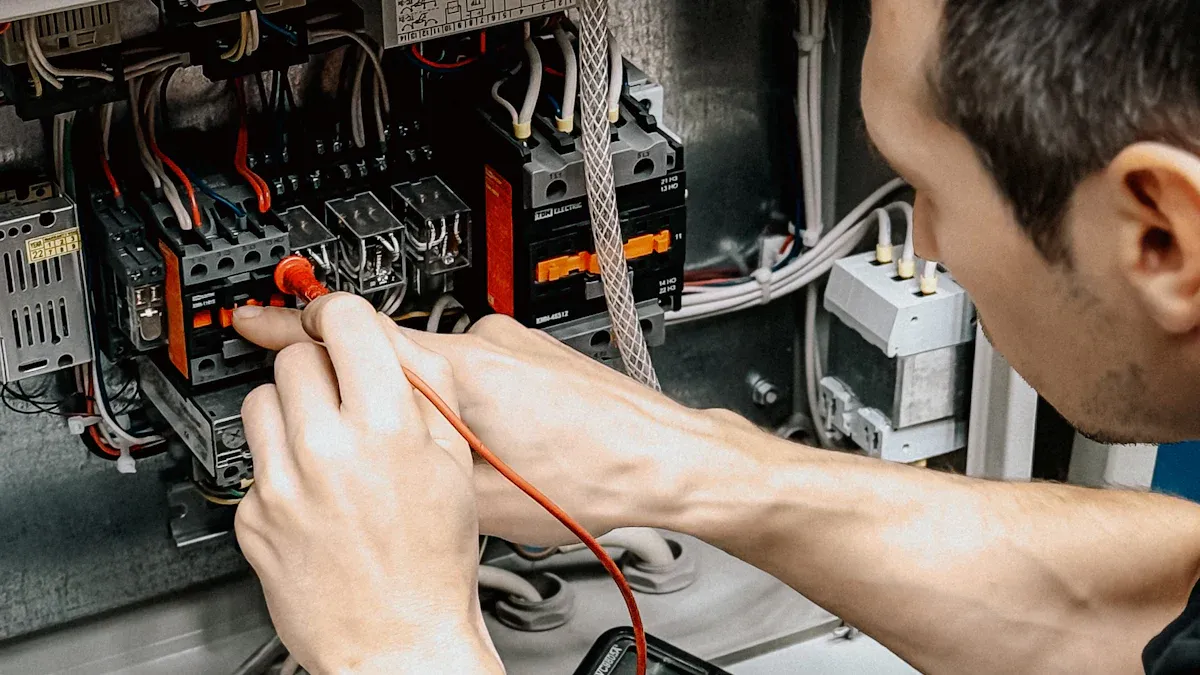
Where AVRs Are Installed
I remember the first time I tried to find the automatic voltage regulator in my generator. I felt like a treasure hunter searching for hidden gold. I peeked under covers, opened boxes, and followed wires like a detective. Here’s what I discovered:
- For mid-to-large commercial generators, I always find the voltage regulator inside the generator control box. It sits there like a boss, watching over everything.
- In big industrial generators, the regulator likes to hide in the alternator terminal box. I have to look closely, or I might miss it.
- When I work with small portable generators, I check under the alternator’s rear cover. That’s where the regulator likes to hang out, tucked away like a shy turtle.
I feel proud every time I spot the AVR. It’s like finding the secret ingredient in grandma’s soup!
Maintenance Tips
I treat my AVR like a superstar. If I want my generator to perform well, I give the regulator some TLC. Here’s my maintenance routine:
- I do routine inspections. I look for cracks, burn marks, or anything that smells funny. If I see dust or dirt, I grab a soft brush and clean it up.
- I keep the AVR and its home clean and dry. Water and dust are the enemies. I once found a spider living near my regulator. I gave it a new home outside!
- I check all the electrical connections. I make sure wires are tight and not frayed. If something looks worn out, I fix it before it causes trouble.
Tip: I set a reminder on my phone to check my AVR every month. A little care goes a long way!
Here’s a quick table to help you remember:
| Maintenance Task | Why I Do It |
|---|---|
| Inspect for damage | Stops problems before they grow |
| Clean and dry area | Keeps the AVR working smoothly |
| Tighten connections | Prevents power loss and sparks |
When to Replace or Upgrade
Sometimes, even the best AVRs need a break. I watch for signs that tell me it’s time to replace or upgrade. If my generator starts acting strange, I pay attention. Here’s what I look for:
- Power inconsistencies make my lights flicker like a disco party.
- Recurring trips annoy me and ruin my movie nights.
- Stalling makes my tools sound tired and slow.
- System resets confuse my gadgets and make me scratch my head.
- Voltage fluctuations turn my workshop into a roller coaster.
If I spot any of these problems, I don’t wait. I swap out the old AVR for a new one or upgrade to a smarter model. My generator deserves the best, and so do I!
Callout: I always listen to my generator. If it starts singing the blues, I check the AVR first!
I trust my automatic voltage regulator to keep my generator running strong. It watches the voltage, fixes problems fast, and protects my gadgets. I check my AVR often, clean it, and listen for weird noises. If something feels off, I call a pro or read more online. Want a generator that lasts? Treat your AVR like a VIP! 😎
Tip: Regular checks and quick fixes keep your power smooth and your movie nights safe!
FAQ
What happens if my AVR stops working?
My generator acts wild! Lights flicker, machines groan, and my gadgets get moody. I check the AVR first. If it looks burnt or smells funny, I swap it out fast.
Can I install an AVR myself?
I grab my toolbox and follow the manual. Small generators make it easy. Big ones need a pro. I never skip safety gloves!
How often should I check my AVR?
I peek at my AVR every month. I look for dust, loose wires, or weird smells. Regular checks keep my generator happy.
Does every generator need an AVR?
I use an AVR for steady voltage. Small generators sometimes skip it, but I always add one for safety. My gadgets thank me!
What’s the difference between analog and digital AVRs?
Analog AVRs have knobs and dials. I twist them like a DJ. Digital AVRs use buttons and screens. I press and watch magic happen!
Can an AVR save my electronics from power surges?
Absolutely! My AVR blocks wild voltage swings. It acts like a superhero, protecting my computer, TV, and fridge from sudden shocks.

