
When I look at containerized 1MW generator solutions, I see clear advantages and some trade-offs. These generators stand out for their reliability, quick installation, and ease of transport. I value their robust performance in harsh conditions, especially where stable grid access is uncertain. LETON POWER, as a leading manufacturer, brings proven expertise to the table.
- The global market for containerized generator sets is growing rapidly, reaching $7.5 billion this year and projected for even more growth, driven by industrialization and infrastructure needs.
- Many users choose these generators for their dependable power, lower maintenance, and secure, weatherproof design.
Reliable power supply remains essential for industrial and commercial users who cannot afford downtime.
Key Takeaways
- Containerized 1MW generators offer reliable power in remote locations, making them ideal for mining, oil fields, and emergency response.
- Their plug-and-play design allows for quick installation, reducing downtime and increasing productivity for industrial users.
- The weatherproof and secure design protects the generators from harsh conditions and theft, ensuring consistent performance.
- Containerized generators are portable, simplifying logistics and enabling deployment in challenging environments without special permits.
- While the initial cost is higher than open-frame models, the long-term savings from reduced maintenance and downtime make them a smart investment.
- Regular maintenance is essential; keeping a detailed log and scheduling checks can prevent unexpected breakdowns.
- LETON POWER provides strong after-sales support, including warranties and technical assistance, ensuring reliable operation over time.
- Consider local regulations for emissions and noise when selecting a generator to avoid compliance issues and fines.
1MW Generator Advantages
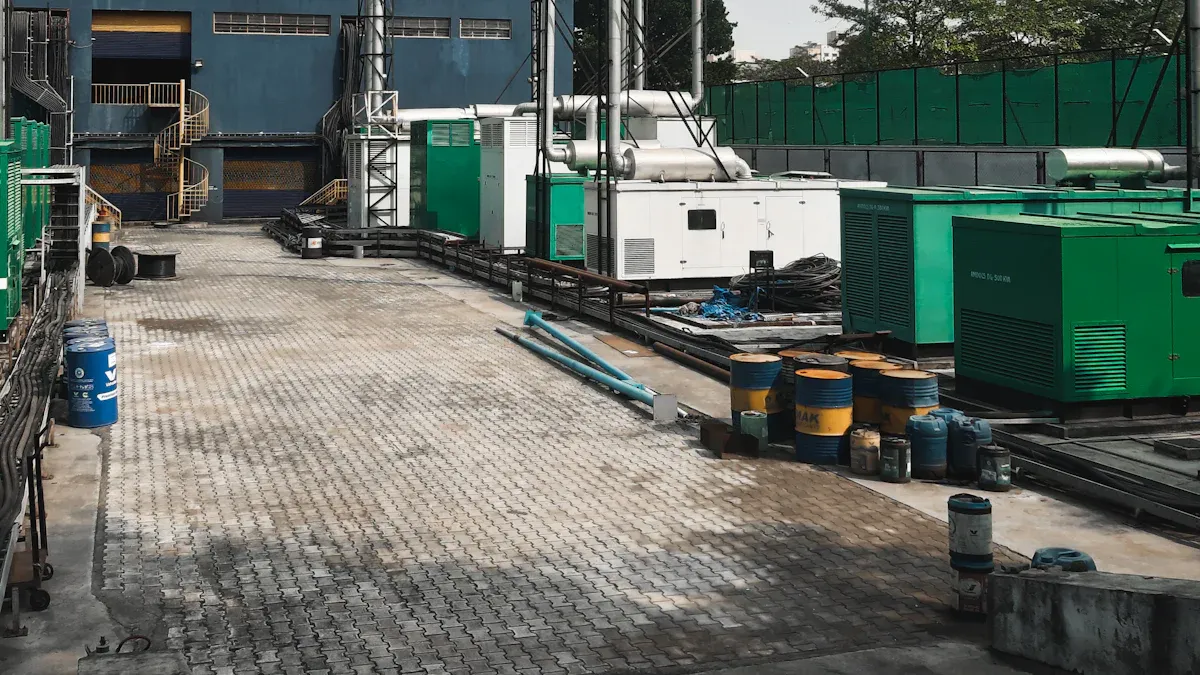
Portability & Transport
Remote Site Deployment
I have seen how containerized 1MW generators transform power delivery for remote and challenging environments. Their design allows me to move them quickly to sites where traditional infrastructure does not exist. I can deploy these units in mining operations, oil fields, or disaster zones with minimal delay. The ability to operate independently from the grid means I do not worry about unreliable electricity. This flexibility stands out as one of the most important benefits for industrial users who need power in hard-to-reach locations.
- I can rapidly install these generators, which is crucial for emergency response.
- Their mobility lets me support projects in areas where other power sources are not practical.
- I rely on them for stable power in places with no grid access.
Simplified Logistics
Transporting a 1MW generator used to be a complex task. Now, with containerized solutions, I see a streamlined process. The standardized container format fits easily onto trucks, ships, or trains. I do not need special permits or custom handling. This simplicity reduces costs and saves time. For my team, the benefits include fewer logistical headaches and faster project starts.
Tip: When I plan a project in a remote area, I always consider containerized generators first because their transport and setup are so efficient.
Quick Installation
Plug-and-Play Setup
I appreciate how containerized 1MW generators arrive ready for action. The plug-and-play design means I can connect fuel, power cables, and control systems with minimal effort. I do not spend days or weeks on complicated assembly. This quick setup minimizes downtime and gets my operations running faster. For industrial and commercial users, these benefits translate into higher productivity and less risk of costly delays.
Minimal Site Prep
Traditional generators often require extensive site preparation. With containerized units, I need only a level surface and basic connections. I do not have to pour concrete pads or build protective shelters. This reduction in site work lowers my installation costs and speeds up deployment. I find these benefits especially valuable when time is critical or when working in temporary locations.
Security & Protection
Weatherproof Design
I trust containerized 1MW generators to withstand harsh weather. The robust enclosures protect the equipment from rain, dust, and extreme temperatures. I do not worry about corrosion or water damage. This weatherproofing ensures reliable performance year-round. For me, the benefits include peace of mind and fewer maintenance issues.
Theft Prevention
Security is always a concern on job sites. The solid steel containers deter theft and vandalism. I can lock the units and monitor access, which reduces the risk of loss. These security features add another layer of benefits for my business, especially when operating in remote or unsecured areas.
Table: Main Advantages of Containerized 1MW Generators
| Advantage | Description |
|---|---|
| Mobility | I can easily transport these generators to different locations as needed. |
| Scalability | I scale up or down based on power requirements, making them versatile for various uses. |
| Ease of Installation | Quick setup and deployment reduce downtime for my team. |
| Environmental Protection | The weatherproof containers safeguard the units against harsh environmental conditions. |
| Rapid Deployment | I rely on them for quick response in emergency and disaster recovery scenarios. |
LETON POWER’s Expertise
I choose LETON POWER for containerized generator solutions because of their proven track record. Their engineering team tailors designs to my specific needs. The company operates a 16,000-square-meter production facility with advanced processes. Over 800 staff, including 90 technicians and 30 senior engineers, support every project. LETON POWER’s R&D team drives innovation, and their quality management meets ISO9001 standards. I benefit from their strong production capacity and comprehensive after-sales service, which ensures my operations run smoothly.
Note: LETON POWER’s commitment to quality and customer support gives me confidence in every deployment.
By focusing on these benefits, I see why containerized 1MW generators have become the preferred choice for industrial and commercial users who demand reliable, flexible, and secure power solutions.
Space Efficiency
Compact Footprint
I always look for ways to maximize space on my job sites. Containerized 1MW generators help me achieve this goal. Their compact footprint allows me to fit powerful equipment into tight areas without sacrificing performance. I can place these units alongside existing infrastructure, which saves valuable real estate. The standardized container design means I do not need to build extra shelters or allocate large areas for installation.
I find this especially useful in urban environments where space comes at a premium. I can position the generator close to my operations, reducing cable runs and improving efficiency. The compact footprint also makes it easier for me to comply with local zoning regulations. When I work with LETON POWER, I know their engineering team optimizes every design for space efficiency, ensuring I get the most out of every square meter.
Tip: I always measure available site space before choosing a generator. Containerized units consistently fit where traditional open-frame models cannot.
Scalability & Flexibility
Modular Expansion
I often face changing power demands on my projects. Containerized 1MW generators give me the flexibility to scale up or down as needed. I can add more units when my operations grow, or remove them when demand drops. This modular approach lets me respond quickly to new requirements without major investments or long delays.
- I can expand my power supply by simply adding more containerized generators.
- I deploy units in different locations with minimal site preparation.
- The modular architecture supports distributed energy applications, which helps me address expanding power needs efficiently.
I appreciate how LETON POWER designs their systems for seamless integration. Their modular solutions allow me to build a power network that matches my exact requirements. I do not need to overcommit resources or worry about future growth.
Multi-Unit Integration
Integrating multiple containerized generators has become a standard practice for me. I connect several units to create a larger, unified power system. This approach increases reliability and ensures continuous operation, even if one unit requires maintenance. I can manage load sharing and redundancy with ease, which keeps my critical processes running smoothly.
LETON POWER’s expertise in multi-unit integration stands out. Their technical support helps me configure and synchronize generators for optimal performance. I rely on their solutions to maintain stable power across complex sites, from industrial plants to large-scale events.
| Benefit | Description |
|---|---|
| Flexible Expansion | I add or remove units based on changing power needs. |
| Distributed Deployment | I position generators in multiple locations for maximum coverage. |
| Reliable Operation | Multi-unit setups provide redundancy and load balancing. |
Note: I always consult with LETON POWER’s engineers when planning multi-unit installations. Their experience ensures my system operates efficiently and meets all safety standards.
1MW Generator Disadvantages
Initial Cost
Upfront Investment
When I consider containerized 1MW generators, I notice the initial cost stands out as a major factor. I must allocate a significant budget for the purchase. The advanced engineering, robust enclosures, and integrated systems drive up the price compared to smaller or less protected units. For industrial and commercial users, this upfront investment often requires careful financial planning. I always recommend evaluating the long-term value, including reliability and reduced downtime, before making a decision.
Cost vs. Open-Frame Units
I compare containerized generators to open-frame models when assessing cost. Open-frame units usually have a lower purchase price. However, they lack the weatherproofing, security, and rapid deployment features of containerized solutions. I find that the added protection and convenience justify the higher cost for many projects, especially those in remote or harsh environments. LETON POWER offers a broad product range, so I can select the best fit for my needs, whether I prioritize budget or advanced features.
Tip: I always factor in installation, transport, and operational expenses when comparing generator options. The total cost of ownership often favors containerized units over time.
Ventilation & Cooling
Heat Management
Continuous operation of a 1MW generator generates substantial heat. I must ensure proper ventilation and cooling to maintain performance and prevent damage. Advanced cooling technologies, such as predictive cooling and phase change materials, help stabilize temperatures and reduce compressor cycling during peak loads. I rely on systems that maintain integrity at ambient temperatures up to 50°C and enable rapid cold starts down to -40°C. High-altitude applications also require efficient cooling to avoid overheating.
| Feature | Description |
|---|---|
| Predictive Cooling Technology | AI algorithms reduce peak cooling demands by up to 40%. |
| Phase Change Materials (PCM) | Enhances stability and reduces compressor cycling during peak loads. |
| Variable Speed Architecture | Reduces auxiliary power consumption by 30-40% compared to fixed-speed systems. |
| Redundant Cooling Paths | Ensures operation during maintenance with automatic failover capabilities. |
| High-Temperature Performance | Maintains integrity at ambient temperatures up to 50°C. |
| Low-Temperature Operation | Enables operation down to -40°C with rapid cold-start capabilities. |
| High-Altitude Applications | Maintains cooling efficiency at altitudes over 3,500 meters. |
Extra Cooling Needs
I often need to install additional cooling systems for containerized generators, especially in hot climates or enclosed spaces. These extra requirements can increase installation complexity and operational expenses. I always check the site conditions and consult with LETON POWER’s engineers to select the right cooling configuration. Their product range includes advanced features that address these challenges, ensuring reliable performance in demanding environments.
Noise & Emissions
Soundproofing Limits
Containerized generators feature soundproofing, but I still encounter noise challenges in sensitive locations. Urban installations require sound levels below 75 dBA at one meter. Recent advancements have pushed operational noise below 65 dB, which helps meet strict standards. I always measure site noise requirements before deployment to avoid complaints or regulatory issues.
| Metric | Standard Compliance |
|---|---|
| Sound levels | ≤75 dBA at 1m for urban installations |
| Emissions compliance | EPA Tier 4 Final, EU Stage V |
Regulatory Compliance
I must comply with emissions and noise regulations in every market. Most containerized 1MW generators meet EPA Tier 4 Final and EU Stage V standards. Healthcare facilities require UL 2200 certification, while offshore units need DNV-GL or ABS marine approvals. Construction sites typically mandate EPA Tier 4 Final emissions standards. I rely on LETON POWER’s expertise to navigate these requirements and select compliant solutions for each application.
Note: I always verify local regulations before purchasing a generator. LETON POWER’s customization services help me meet specific certification and compliance needs.
Maintenance Access
Service Restrictions
I often find that containerized 1MW generators present unique challenges when it comes to maintenance. The enclosed design, while excellent for protection, can restrict access to internal components. I sometimes need to remove panels or open doors to reach filters, belts, or electrical connections. This process can take more time compared to open-frame units. I always plan my maintenance schedule carefully to avoid unnecessary downtime. In my experience, tight spaces inside the container can make it harder to perform quick inspections or repairs. I recommend keeping a detailed maintenance log and scheduling regular checks to ensure everything runs smoothly.
Tip: I always keep the generator’s service manual on hand. It helps me locate access points quickly and follow the correct procedures for safe maintenance.
Specialized Support
Containerized generators often require technicians with specialized training. I look for service teams who understand the unique layout and safety features of these units. LETON POWER provides technical support and training, which I find valuable for my team. I make sure my technicians know how to handle ventilation systems, soundproofing materials, and integrated control panels. This expertise reduces the risk of mistakes and keeps the generator operating at peak performance. I also rely on remote monitoring tools to track performance and spot issues early.
- I schedule periodic training for my staff.
- I use remote diagnostics to minimize on-site troubleshooting.
- I consult with LETON POWER’s support team for complex issues.
Size & Weight
Transport Limits
The size and weight of a containerized 1MW generator influence my transportation options. These units come fully assembled in standard shipping containers. I can move them by rail, barge, or truck, which gives me flexibility for different projects. However, I must check local road weight limits and bridge clearances before arranging transport. In some regions, I need special permits for oversized loads. I always coordinate with logistics providers to ensure safe and efficient delivery.
| Feature | Description |
|---|---|
| Size | Small size allows for transportability and rapid deployment. |
| Transportation | Fully factory-assembled and transportable in shipping containers via rail, barge, and truck. |
| Site Placement | Requires minimum ground disruption with less than a 2-acre footprint. |
Placement Issues
Site placement requires careful planning. I need a level surface and enough space for ventilation and maintenance access. The compact footprint of containerized generators helps me fit them into tight locations. I can deploy these units with minimal ground disruption, often using less than two acres of land. This efficiency is important for urban sites or areas with limited space. I always check for overhead obstructions and ensure there is enough clearance for doors and service panels. Proper placement helps me avoid operational issues and ensures long-term reliability.
Note: I always conduct a site survey before installation. This step helps me identify potential obstacles and plan for safe, efficient placement.
Reliability & Performance
Reliable Power Supply
Stability in Harsh Conditions
I always prioritize reliability when selecting a generator for my projects. Containerized 1MW generators deliver a reliable power supply even in the most demanding environments. I have deployed these units in refineries, mining operations, and emergency response sites. Their robust construction and advanced engineering ensure consistent performance, regardless of weather or location. The containerized design allows for both indoor and outdoor installations, which is essential for maintaining reliable power supply in harsh conditions. I trust these generators to keep my operations running smoothly when the grid fails or when I face unpredictable challenges.
When I need a reliable power supply in extreme climates, I choose containerized solutions for their proven stability and resilience.
| Feature | Description |
|---|---|
| Model | CAT XQ1000 |
| Power Output | 1,000 kW standby power, 910 kW prime power |
| Engine | CAT C32 ACERT™ diesel engine |
| Container Type | 30′ ISO sound-attenuated container |
| Noise Level | 72 dB(A) @ 15 m |
| Applications | Refineries, data centers, utilities, mining operations, emergency response deployments |
| Reliability | Designed for demanding industrial and utility environments, ensuring dependable performance |
Durability
Lifespan vs. Alternatives
Durability matters to me because I want my investment to last. Containerized 1MW generators offer a lifespan of 15 to 30 years, depending on manufacturer quality, maintenance schedule, and usage pattern. I compare this to high-speed diesel generators, which typically have a shorter lifespan due to increased wear and tear. I always follow a strict maintenance schedule to maximize durability and performance. The containerized design protects internal components from environmental damage, which extends the generator’s life and ensures reliable power supply over time.
| Generator Type | Typical Lifespan | Key Factors Affecting Lifespan |
|---|---|---|
| Containerized 1MW Generator | 15 to 30 years | Manufacturer quality, maintenance schedule, usage pattern, environment, upgrades & rebuilds |
| High-Speed Diesel Generators | Shorter lifespan | Higher operational demands leading to increased wear and tear |
LETON POWER Reliability
Case Studies
I rely on LETON POWER for generator solutions because of their reputation for reliability and performance. LETON POWER uses engines from Cummins, Perkins, and other world-renowned brands. Their exclusive use of high-quality all-copper motors for alternators sets them apart. I can customize generator configurations with premium alternator options like Stamford, Leroy-Somer, or Marathon. This flexibility allows me to match my specific requirements and ensures reliable power supply for every application. LETON POWER’s commitment to reliability and performance shows in their superior materials and components. Their affordable pricing and guaranteed quality as a Chinese factory make them my preferred choice for industrial and commercial projects.
- I have seen LETON POWER generators operate continuously in remote mining camps, providing reliable power supply for years.
- Their engineering team supports me with tailored solutions that maximize reliability and performance.
- I trust LETON POWER to deliver durability and dependable operation, even in the toughest environments.
I always recommend LETON POWER to colleagues who need reliable power supply and long-term durability for critical operations.
Cost & Financials
Total Ownership Cost
Purchase Price
When I evaluate containerized 1MW generators, I always start with the purchase price. These units require a higher initial investment than traditional open-frame generators. The advanced engineering, weatherproof container, and integrated systems drive up the cost. I see this as a trade-off for the added protection and reliability. For industrial users who need dependable power away from the grid, the upfront price often makes sense. I compare prices from different manufacturers and look for features that justify the expense.
Maintenance Expenses
I pay close attention to maintenance expenses over the generator’s lifespan. Containerized units often reduce exposure to dust, moisture, and vandalism, which lowers routine service costs. I schedule regular inspections and use remote monitoring to catch issues early. This approach helps me avoid unexpected breakdowns and keeps my generator ready for grid failures. I notice that the enclosed design can make some maintenance tasks more complex, but the overall cost-effectiveness remains strong. I always factor in fuel, spare parts, and technician fees when planning my budget.
| Cost Factor | Containerized 1MW Generator | Traditional Open-Frame Generator |
|---|---|---|
| Purchase Price | Higher | Lower |
| Maintenance | Lower (protected) | Higher (exposed) |
| Installation | Faster, less site prep | More site work |
| Security | Included | Additional cost |
| Grid Independence | Excellent | Limited |
ROI
Payback Period
I calculate the payback period before making any purchase. Containerized generators offer faster deployment and fewer interruptions, which leads to quicker returns. When my site lacks reliable grid access, I see cost-effectiveness improve because downtime drops. I measure ROI by comparing reduced outage costs, lower maintenance, and increased productivity. For many projects, the payback period falls within three to five years. I always recommend reviewing operational data and grid reliability before finalizing a decision.
Tip: I track fuel efficiency and maintenance logs to monitor cost-effectiveness over time.
LETON POWER Pricing
Brand Comparison
I choose LETON POWER for their competitive pricing and strong value proposition. Their product range covers everything from small standby units to large industrial generators. I find their containerized 1MW models deliver excellent cost-effectiveness, especially for sites with unstable grid conditions. LETON POWER’s transparent pricing and flexible options help me match my budget and technical needs. I compare their offerings with other brands and see clear advantages in cost-effectiveness, reliability, and after-sales support.
- LETON POWER provides detailed quotes and technical consultations.
- Their warranty and service packages add value for long-term grid independence.
- I trust their expertise to deliver cost savings and dependable performance.
| Brand | Cost-Effectiveness | Grid Solutions | After-Sales Support |
|---|---|---|---|
| LETON POWER | High | Excellent | Comprehensive |
| Other Brands | Varies | Varies | Varies |
I always encourage buyers to consider total ownership cost, not just the purchase price. LETON POWER stands out for cost-effectiveness and reliable grid solutions, making them my preferred choice for industrial and commercial power needs.
Installation & Maintenance

Site Prep
Foundation Needs
I always start my installation process by evaluating the site. Proper site preparation ensures my containerized 1MW generator operates safely and efficiently. I look for a level surface to minimize grading costs and guarantee proper drainage. I prefer rectangular sites at least 60 feet wide, which helps with emergency access and efficiency. I make sure there is significant clearance—usually 10 to 20 feet—on all sides for fire department access. Concrete pads must extend 2 to 3 feet beyond the container edges. I check that access roads can support delivery trucks weighing up to 80,000 pounds. Security fencing, typically a 6-foot chain link with barbed wire, protects my investment. Stormwater management is required in many jurisdictions, so I plan for it early. I also consider climate and topography, since humidity and temperature affect equipment longevity. In hurricane-prone areas, I use enhanced anchoring for extra stability.
| Requirement | Details |
|---|---|
| Space and Layout | 10-20 feet clearance on all sides for fire department access |
| Concrete Pads | Extend 2-3 feet beyond container edges |
| Access Roads | Support 80,000-pound delivery trucks |
| Security Fencing | 6-foot chain link with barbed wire |
| Stormwater Management | Required in many jurisdictions |
| Site Shape | Rectangular, at least 60 feet wide |
| Topography | Level sites for drainage and reduced grading costs |
| Thermal Management | Operating temperatures (15-35°C) critical for battery performance |
| HVAC Systems | Substantial power consumption, affects available capacity |
| Climate Considerations | Humidity and temperature impact equipment longevity |
| Extreme Weather | Enhanced anchoring in hurricane-prone areas |
Routine Maintenance
Technician Access
I follow a strict maintenance routine to keep my generator running smoothly. Daily, I check the fuel and coolant levels, inspect the alternator for cracks or damage, and monitor the condition of belts. I examine the air filter and replace it when necessary. I release water and sediment from the fuel tank and filter. I check the water cooling filter and starting battery. I inspect the starter for defects and clean the water tank and coolant system. For regular maintenance, I repeat these tasks and replace the fuel filter after 100-250 hours. I change the oil and oil filter after 200-250 hours. I replace the air filter after 300-400 hours and clean the crankshaft. I also replace coolant as needed. For deeper maintenance, I clean oil dirt and sludge from the valve tap and crankcase, and check turbo wear. At the highest level, I repair valve and seat wear, adjust the P pump and injector quality, and clean the oil lubrication system.
| Maintenance Level | Tasks |
|---|---|
| A Level | Check daily report, fuel/coolant levels, alternator, belts, air filter, water/sediment, cooling filter, battery, starter, clean water tank/coolant system |
| B Level | Repeat A Level, replace fuel filter (100-250 hrs), oil/oil filter (200-250 hrs), air filter (300-400 hrs), coolant, clean crankshaft |
| C Level | Repeat A/B Level, clean oil dirt/sludge from valve tap, clean crankcase, check turbo wear |
| D Level | Repair valve/seat wear, adjust P pump/injector, clean oil lubrication system |
I make sure my technicians have easy access to all service points. The containerized design allows me to open panels and doors for inspections. I keep the generator’s service manual nearby to locate access points quickly. I schedule regular maintenance and use remote monitoring tools to track performance. I train my staff to handle ventilation systems, soundproofing materials, and integrated control panels. This approach reduces downtime and keeps my generator at peak performance.
Tip: I always keep a detailed maintenance log and schedule regular maintenance checks to avoid unexpected breakdowns.
LETON POWER Support
Warranty & Service
I rely on LETON POWER for strong after-sales support. Their warranty covers one year or 1,000 running hours, whichever comes first. For special projects, I can extend the warranty. LETON POWER offers global warranty service for most products, including Cummins, Perkins, and Doosan generators, as well as alternators like Leroysomer, Stamford, and Marathon. I value their technical support and training, which helps my team maintain high standards. Their service packages ensure my generator receives regular maintenance and prompt repairs. I trust LETON POWER to provide reliable support throughout the life of my equipment.
- Warranty period: 1 year or 1,000 running hours
- Extended warranty available for special projects
- Global warranty service for major generator and alternator brands
I always recommend LETON POWER to colleagues who need dependable maintenance and support for containerized 1MW generators.
Use Cases & Alternatives
Ideal Applications
Emergency Power
I often rely on containerized 1MW generators when I need immediate backup power during emergencies. These units help me avoid downtime in hospitals, data centers, and industrial plants. I deploy them quickly when the power grid fails, ensuring that critical systems stay online. Their portability allows me to move them to disaster zones or areas hit by severe weather. I trust these generators to deliver reliable backup when every minute counts.
Construction & Mining
On construction sites and in mining operations, I face unique power needs. The power grid rarely reaches remote locations, so I use containerized generators to keep equipment running. I value their rugged design and ability to withstand harsh conditions. In mining, downtime can cost thousands of dollars per hour. I minimize downtime by choosing generators that start up fast and operate reliably. I also use them for peak shaving, which helps me manage fluctuating power needs and avoid overloading the power grid.
Events & Remote Sites
I support large events and remote projects with containerized 1MW generators. Outdoor concerts, festivals, and sporting events require stable power for lighting, sound, and security systems. I set up these generators quickly, reducing downtime and ensuring smooth operations. In oil and gas applications, I use them for backup and peak shaving in locations with limited access to the power grid. Their mobility lets me respond to changing power needs without delay.
Tip: I always assess the site’s power needs before selecting a generator. Containerized units give me flexibility and help me avoid unexpected downtime.
Typical Use Cases for Containerized 1MW Generators:
- Industrial power plants during shutdowns or maintenance
- Mining operations in remote areas
- Oil and gas sites with limited power grid access
Alternatives
Open-Frame Generators
I sometimes consider open-frame generators for projects with less demanding power needs. These units cost less upfront and suit temporary installations. However, I notice they lack the weatherproofing and security features of containerized models. Open-frame generators require more site preparation and can lead to increased downtime if exposed to harsh environments. I use them when the power grid is stable and the risk of downtime is low.
Natural Gas Generators
Natural gas generators offer another alternative for meeting power needs. I choose them for sites with easy access to natural gas infrastructure. These generators run cleaner and produce fewer emissions than diesel models. I see advantages in fuel cost and sustainability. Natural gas generators provide reliable backup power and help me reduce downtime in urban settings. I use them for continuous power supply where the power grid is available and natural gas lines are present. In some cases, I combine natural gas generators with containerized units to cover peak loads and minimize downtime.
| Generator Type | Best Use Case | Pros | Cons |
|---|---|---|---|
| Containerized 1MW | Remote, critical, flexible | Portable, secure, fast setup | Higher upfront cost |
| Open-Frame | Temporary, stable grid | Lower cost, easy access | Less protection, more downtime |
| Natural Gas | Urban, sustainable | Clean, cost-effective | Needs gas infrastructure |
Note: I always match generator type to the site’s power needs and risk of downtime. Careful planning helps me avoid costly interruptions.
Environmental & Regulatory
Emissions Standards
Local/Federal Rules
I always pay close attention to emissions standards when I select a containerized 1MW generator. Regulatory compliance is critical for every project. I check local and federal rules before making a purchase. In the United States, I look for generators that meet EPA Tier 4 Final standards. In Europe, I require EU Stage V compliance. Healthcare facilities need UL 2200 certification. Offshore installations demand DNV-GL or ABS approvals. These standards ensure my generator operates within legal limits and avoids costly fines.
| Market | Emissions Standard |
|---|---|
| United States | EPA Tier 4 Final |
| Europe | EU Stage V |
| Healthcare | UL 2200 certification |
| Offshore | DNV-GL or ABS approvals |
I always consult with LETON POWER’s technical team to confirm that my generator meets all necessary standards. Their expertise helps me navigate complex regulations and ensures my equipment is ready for inspection.
Tip: I recommend reviewing local environmental laws before installation. This step prevents delays and keeps my project on track.
Noise Control
Urban/Rural Use
Noise control matters to me, especially in urban environments. I choose generators with advanced soundproofing to keep noise levels low. LETON POWER offers silent diesel generator sets that operate below 65 dB, which helps me comply with city regulations. In rural areas, I still monitor noise output to avoid disturbing nearby communities or wildlife. I position my generator away from sensitive locations and use acoustic barriers when needed.
- I measure site noise before deployment.
- I select models with sound-attenuated enclosures.
- I follow local guidelines for acceptable noise levels.
I find that silent generator options from LETON POWER make it easier to meet noise restrictions and maintain good relationships with neighbors.
Note: I always check noise limits for each site. Proper planning helps me avoid complaints and regulatory issues.
Sustainability
Green Options
Sustainability is a priority for my business. I look for generators that minimize environmental impact. LETON POWER provides eco-friendly solutions, including low-emission diesel engines and options for biofuel compatibility. I choose models with efficient fuel consumption to reduce my carbon footprint. Their water-cooled silent diesel generator sets offer both low noise and reduced emissions, which supports my sustainability goals.
- I select generators with advanced emission controls.
- I consider biofuel-compatible models for greener operations.
- I monitor fuel efficiency to lower operating costs and environmental impact.
I believe that investing in sustainable power solutions benefits my business and the environment. LETON POWER’s commitment to innovation and green technology gives me confidence in every deployment.
🌱 Choosing eco-friendly generators helps me meet regulatory requirements and support a cleaner future.
I see containerized 1MW generators as a smart choice for reliable, portable power. The main advantages include fast installation, strong security, and flexible deployment. Higher upfront costs and specialized maintenance are the main trade-offs. I recommend these generators for industrial and commercial users who need dependable power in challenging environments. For expert support and proven solutions, I trust LETON POWER. I always advise reviewing your site needs and project goals before making a final decision.
FAQ
What is a containerized 1MW generator?
I use a containerized 1MW generator for reliable, portable power. The generator sits inside a weatherproof shipping container. This design protects the equipment and makes transport and installation easier.
How quickly can I install a 1MW containerized generator?
I can install a containerized 1MW generator in just a few hours. The plug-and-play setup means I connect fuel and power cables with minimal site preparation.
What maintenance does a 1MW generator require?
I perform daily checks on fuel, coolant, and filters. I schedule regular inspections and replace parts as needed. LETON POWER provides service manuals and technical support for routine maintenance.
Can I use a containerized 1MW generator in extreme weather?
I deploy containerized generators in harsh climates. The weatherproof enclosure protects the unit from rain, dust, and temperature extremes. I trust these generators to operate reliably in challenging environments.
How does a containerized generator compare to open-frame models?
I choose containerized generators for better security, faster installation, and weather protection. Open-frame models cost less but need more site prep and offer less protection.
What fuel options are available for 1MW generators?
I usually run 1MW generators on diesel. Some models support biofuel blends. LETON POWER offers diesel generator sets with efficient fuel consumption and low emissions.
Are containerized 1MW generators suitable for urban areas?
I use silent containerized generators in cities. Advanced soundproofing keeps noise levels low. LETON POWER’s silent diesel generator sets help me meet urban noise regulations.
How do I ensure regulatory compliance for my generator?
I check local and federal standards before buying. LETON POWER helps me select generators that meet EPA, EU, and other certifications. I always verify compliance to avoid fines.

