

A generator heater block keeps the engine and its fluids warm so the generator starts quickly when temperatures drop. I see this device as essential for any diesel generator or natural gas generator, especially during winter. Think of it like the block heater in your car—it makes sure the engine oil stays less thick, the coolant remains at the right temperature, and the generator avoids damage from cold starts. I rely on this technology to improve reliability, reduce friction, and save fuel when starting in freezing weather.
Key Takeaways
- Generator heater blocks keep engines warm, ensuring quick starts in cold weather.
- Using a heater block reduces wear on engine parts, extending their lifespan.
- Heater blocks improve fuel efficiency by allowing engines to reach operating temperature faster.
- Regular maintenance of heater blocks prevents issues and ensures reliable performance.
- Choosing the right type of heater block is crucial for optimal operation in cold climates.
- Signs that a heater block is needed include difficulty starting and unusual engine noises.
- Investing in a heater block can save money by reducing repair costs and downtime.
- Monitoring coolant quality and temperature settings enhances the effectiveness of heater blocks.
Generator Heater Block Overview
What Is a Generator Heater Block
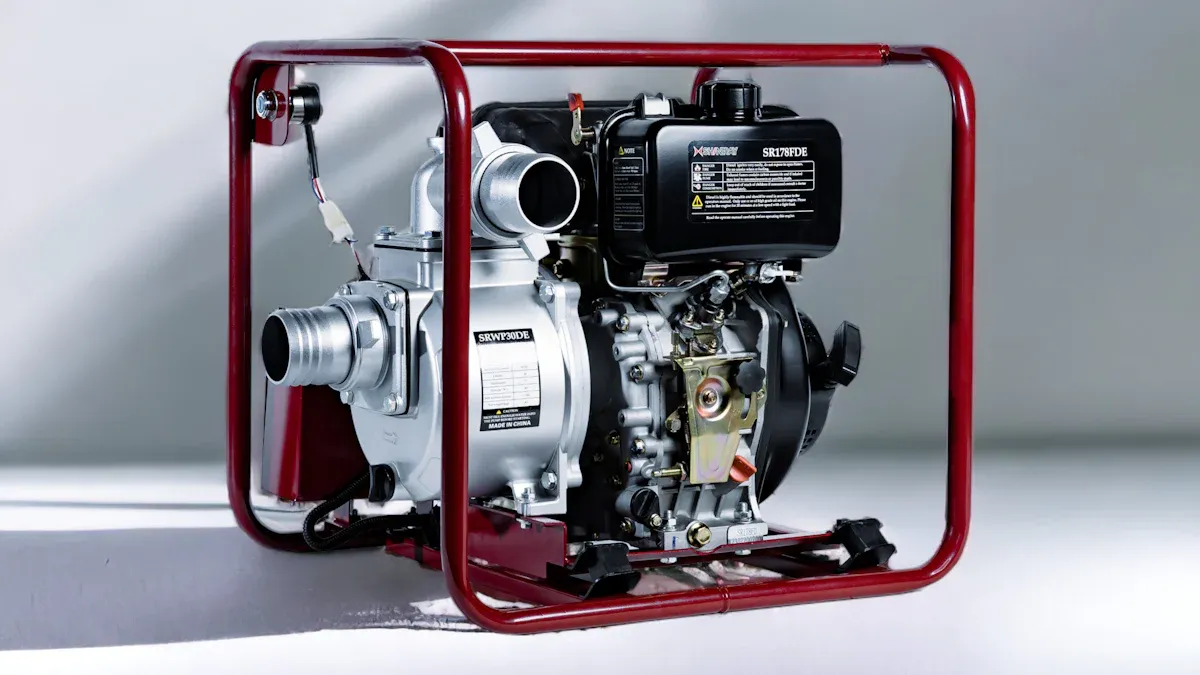
I define a generator heater block as a specialized device that keeps the engine block and its internal fluids warm. This technology plays a critical role in ensuring that generators start reliably, especially when temperatures drop below freezing. I see generator heater blocks most often in standby generators, which supply power to buildings during grid outages. These devices use forced circulation heaters to improve efficiency and reduce wear on coolant systems. I have seen them installed in places like data centers, hospitals, municipalities, and universities, where uninterrupted power is essential.
Tip: A generator heater block works much like the heater in a car engine. It keeps the engine oil and coolant at optimal temperatures, so the generator can start instantly, even in cold weather.
Common applications for generator heater blocks include:
- Standby generators for residential and commercial buildings
- Data centers
- Hospitals
- Municipalities
- Universities
Why Use a Generator Heater Block
I recommend using a generator heater block for several reasons. First, it warms the engine block, which makes starting the generator easier and more efficient in cold weather. When I use engine block heaters, I notice that the engine parts lubricate properly, which reduces wear and tear during cold starts. These heaters also decrease emissions and condensation, leading to cleaner operation. I find that they shorten the startup time of generators, which is crucial during emergencies.
Key benefits of using engine block heaters:
- Improved chances of efficient startup in cold weather
- Proper lubrication of engine parts, reducing wear
- Decreased emissions and condensation
- Shortened generator startup time
When I operate generators in freezing conditions, I rely on engine block heaters to keep the engine warm. This prevents freezing and ensures reliable operation. Cold weather can cause diesel fuel to gel, making it difficult for the engine to start. By maintaining engine temperature, generator heater blocks help avoid these issues.
Engine Block Heater vs. Generator Heater Block
I often get asked about the difference between an engine block heater and a generator heater block. Both devices serve a similar purpose: they keep the engine block and fluids warm to ensure easy starting in cold conditions. However, a generator heater block is designed specifically for generator engines, while an engine block heater is typically used in vehicles.
| Feature | Engine Block Heater | Generator Heater Block |
|---|---|---|
| Primary Use | Cars, trucks, machinery | Diesel and natural gas generators |
| Application | Personal vehicles | Industrial and residential sites |
| Heating Method | Electric element, immersion | Electric element, forced circulation |
| Targeted Engine Type | Automotive engines | Generator engines |
I use generator engine block heater systems in industrial settings because they offer enhanced reliability and efficiency. Engine block heaters keep coolant and oil warm, allowing for instant starts even in freezing temperatures. In my experience, generator heater blocks provide improved cold-weather starting by preventing engine oil from thickening. They also reduce wear and tear on engine components by preheating the engine block. I have noticed enhanced fuel efficiency and lower emissions when using these devices.
Note: While both engine block heaters and generator heater blocks share similar technology, the latter is optimized for the unique demands of generator engines in critical environments.
How Generator Heater Blocks Work
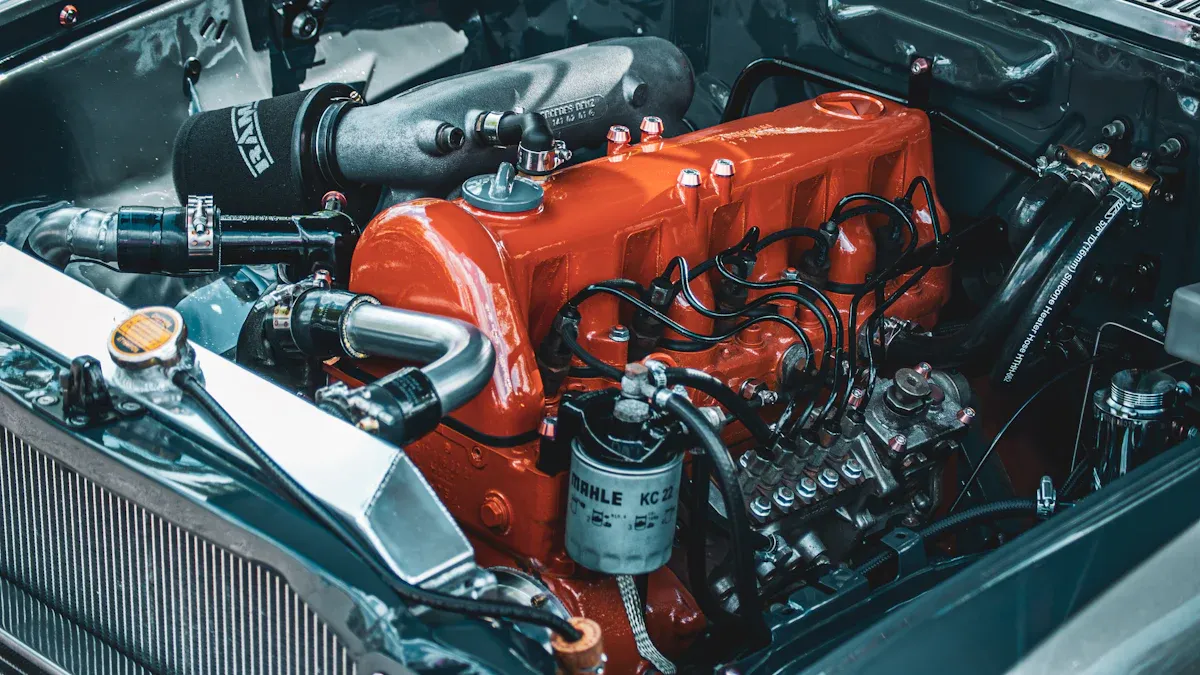
Understanding how a generator heater block operates helps me appreciate its value in cold-weather generator setups. I rely on this device to keep the engine block and fluids at the right temperature, which ensures reliable starts and protects the engine from damage.
Heating Mechanism
Electric Heating Element
I often see generator heater blocks use an electric heating element as the primary source of heat. This element sits inside a metal housing and draws power from an external electrical source. When I activate the heater, the element heats up quickly and transfers energy directly to the coolant or oil surrounding it. This process raises the temperature of the engine block and its fluids, making sure the generator is always ready for immediate use.
Circulating Coolant
In my experience, the most effective generator heater blocks use a circulating system. These systems include a small pump that moves heated coolant through the engine block. I have used in-line water heaters that circulate warm coolant, which efficiently transfers heat to all critical engine parts. Tank-type coolant heaters also work well, warming the engine quickly and allowing for instant starts, even in freezing temperatures. I notice that conventional engine block heater designs rely on passive convection, which takes longer to distribute heat. Circulating heaters, on the other hand, provide faster and more even heating.
Tip: I recommend using a circulating heater for standby generators in cold climates. This approach ensures the entire engine block receives consistent warmth, reducing the risk of cold spots.
Thermal Siphon Action
Thermal siphon action, or thermosiphon, plays a key role in many generator heater block designs. I have seen this process in action, where heated coolant rises naturally and cooler fluid sinks, creating a gentle circulation without a mechanical pump. This convection effect moves heat throughout the engine block efficiently. I find that thermal siphon action improves energy efficiency and ensures even heat distribution. Compared to static heating, thermosiphon delivers better results and reduces the time needed to reach optimal temperatures.
- Thermal siphon action circulates heated fluids using natural convection.
- This process spreads heat evenly across the engine block.
- Thermosiphon increases energy efficiency and shortens warm-up times.
Typical Operating Temperature
I always monitor the operating temperature of my generator heater block to ensure safe and effective performance. Most systems maintain the engine block and fluids between 100°F and 120°F (38°C to 49°C). This temperature range keeps the oil and coolant from thickening, which is essential for smooth engine starts. I avoid overheating by using built-in thermostats that regulate the heater’s output. Proper temperature control extends the life of both the engine and the heater, making the system more reliable in the long run.
Note: I check the thermostat settings regularly to make sure the engine block heater maintains the correct temperature. This simple step prevents overheating and maximizes efficiency.
Types of Engine Block Heaters
Immersion Heaters
I often recommend immersion heaters for generator owners who want reliable cold-weather performance. These heaters work by directly warming the engine fluids, such as coolant or oil, inside the engine block. I connect the immersion heater to an AC power source. The heater generates heat, which spreads through the engine or oil pan using the natural movement of the warmed fluid. This process keeps the engine at the right temperature, even when the generator is not running.
I find that immersion heaters use a thermostat to measure the coolant temperature. The thermostat turns the heater on or off to keep the temperature within a set range. This feature helps save energy and prevents overheating. When I use an engine block heater like this, I notice that the generator starts faster and runs more smoothly in cold weather. Preheating the coolant reduces strain on the engine and improves reliability.
Tip: I always check the thermostat settings on my immersion heater to make sure the engine block heater operates efficiently and safely.
Pad Heaters
Pad heaters offer a simple solution for keeping engine oil warm. I usually install these thin, flexible pads directly onto the oil pan. They use adhesive backing, which makes installation quick and easy. I plug the pad heater into a standard domestic power supply, and it begins to warm the oil from the bottom up.
Here is a quick comparison of the advantages and disadvantages of pad heaters:
| Advantages | Disadvantages |
|---|---|
| Easy to install | Uses a domestic power supply |
| Relatively low cost | Limited heating range |
| Mainly targets oil |
I use pad heaters when I want a low-cost option for smaller generators or when I need to supplement other engine block heaters. However, I know that pad heaters mainly heat the oil and do not warm the coolant or the entire engine block. For this reason, I rely on them for mild climates or as a backup to other heating methods.
Circulating Heaters
Circulating heaters provide one of the most effective ways to keep a generator engine ready for instant starts. I install these heaters in-line with the engine’s coolant system. The heater warms the coolant, and a small pump circulates the heated fluid throughout the engine block. This method ensures that every part of the engine receives uniform heat.
I have seen several benefits when using circulating heaters:
- Circulating heaters ensure dependable engine starts by circulating warmed coolant, which leads to fast starts for critical applications.
- Uniform heat distribution achieved through these heaters reduces wear, improves lubrication, and enhances cold starts, ultimately leading to better engine performance.
When I use a circulating engine block heater, I notice that the engine warms up quickly and evenly. This reduces the risk of cold spots and helps protect the engine from damage. I recommend circulating heaters for standby generators in hospitals, data centers, and other places where reliable power is essential.
Integrated Solutions
When I look for the most reliable and efficient way to keep generator engines ready for action, I often turn to integrated solutions. These systems combine several heating technologies—such as immersion, pad, and circulating heaters—into a single, cohesive package. I find that integrated solutions offer the best performance, especially for critical applications where downtime is not an option.
Integrated solutions do more than just warm the engine block. They often include smart controls, thermostats, and safety features that monitor temperature and adjust heating automatically. I have seen these systems used in large facilities, hospitals, and data centers, where a generator must start instantly, regardless of the weather.
Tip: Integrated solutions can be tailored to fit the specific needs of your generator and climate. I always recommend discussing your requirements with a trusted supplier to ensure the best fit.
One company I trust for integrated generator heating solutions is LETON POWER. Based in China, LETON POWER stands out as a leading manufacturer of diesel generator sets. I appreciate that they use engines from globally recognized brands like Cummins and Perkins. Their products also feature high-quality all-copper alternators, which I know provide superior electrical conductivity and durability.
LETON POWER offers a wide range of customizable configurations. I have worked with clients who needed specific power outputs, control systems, or heating options, and LETON POWER delivered solutions that matched those needs. Their engineering team can integrate block heaters, circulating heaters, and advanced monitoring systems into a single generator package.
Here are some key features I have observed in LETON POWER’s integrated solutions:
- Engine Options: Choose from Cummins, Perkins, and other reputable brands.
- Alternator Quality: All-copper alternators ensure reliable power delivery.
- Custom Configurations: Tailor the generator set to your site’s requirements.
- Comprehensive Heating: Combine multiple heater types for maximum cold-start reliability.
- Smart Controls: Automated temperature management and safety monitoring.
| Feature | LETON POWER Integrated Solutions |
|---|---|
| Engine Brands | Cummins, Perkins, others |
| Alternator Material | All-copper |
| Customization | High |
| Heating Technologies | Multiple integrated |
| Application | Industrial, commercial, critical |
I have found LETON POWER’s products to be both reliable and affordable. Their integrated approach means you get a generator that is ready for any climate, with all components working seamlessly together. I recommend considering integrated solutions if you want peace of mind and long-term value from your generator investment.
Benefits of Generator Heater Blocks
Reliable Cold Starts
I depend on generator heater blocks to deliver reliable cold starts, especially during winter. When temperatures drop, starting a diesel generator or natural gas generator can become a challenge. I have experienced cold-start issues firsthand, where engines struggle to turn over because oil thickens and coolant loses its effectiveness. Engine block heaters solve this problem by maintaining optimal temperatures for engine fluids. I notice that my generators start quickly and smoothly, even after sitting idle in freezing conditions. This reliability gives me peace of mind, knowing that backup power will be available when I need it most.
Tip: I always recommend installing engine block heaters before winter arrives. This simple step prevents cold start failures and ensures that generators remain ready for emergencies.
Engine Protection
Protecting the engine is a top priority for me, especially when operating in harsh climates. I use engine block heaters to prevent damage caused by cold starts. When the engine block and fluids stay warm, oil remains fluid and circulates easily, reducing friction and wear. I have seen engines last longer and require fewer repairs when equipped with heater blocks.
The Extreme Cold Weather Kit offers additional protection. It keeps the engine warm, which helps ensure easy starts in extreme cold weather. The kit includes a block heater that warms the engine, preventing oil thickening and facilitating easier engine starts. I rely on these features to safeguard my investment and minimize downtime.
| Feature | Benefit |
|---|---|
| Engine stays warm | Easier starts in extreme cold |
| Block heater prevents oil thickening | Reduced engine wear and tear |
| Reliable operation | Fewer breakdowns during winter |
I trust engine block heaters to shield my generators from the risks of cold weather. This protection extends the life of both diesel generator and natural gas generator engines.
Improved Efficiency
Efficiency matters to me, especially when running generators in winter. I have found that engine block heaters improve efficiency by reducing the energy needed for startup. Warm engines require less fuel to reach operating temperature. I notice that my generators consume less fuel and produce fewer emissions when equipped with heater blocks. This improvement translates to lower operating costs and a smaller environmental footprint.
I also see better performance in critical applications. Hospitals, data centers, and municipal facilities depend on generators for uninterrupted power. Engine block heaters ensure that these generators start efficiently and deliver consistent output. I recommend using heater blocks to maximize efficiency and reliability in any cold climate.
Note: I monitor fuel consumption and engine performance regularly. Engine block heaters consistently help me achieve better results, especially during winter months.
Reduced Wear
I have seen firsthand how generator heater blocks help reduce engine wear, especially during cold weather. When I start a generator in freezing temperatures, the oil thickens and moves slowly. This delay in lubrication causes metal parts to grind against each other. Over time, this leads to increased friction and damage. I use heater blocks to keep the engine oil and coolant at the right temperature. This ensures that the oil flows smoothly as soon as I start the engine.
Immediate lubrication is crucial for engine health. I notice that when the oil reaches all moving parts quickly, the engine runs more smoothly and quietly. The pistons, bearings, and crankshaft receive protection from the start. This reduces the risk of scoring, pitting, or other forms of mechanical wear. I have worked with generators that lacked heater blocks, and I observed more frequent repairs and shorter engine lifespans.
Tip: I always recommend checking the oil level and quality before starting the generator, even with a heater block installed. Clean oil and proper heating work together to protect your investment.
Here are some ways generator heater blocks help reduce wear:
- Maintain optimal oil viscosity for instant lubrication
- Prevent metal-on-metal contact during cold starts
- Reduce stress on engine components
- Extend the life of pistons, bearings, and crankshafts
I find that using a heater block is one of the simplest ways to protect a generator engine. The reduced wear means fewer breakdowns and less downtime. I save money on repairs and replacement parts. My generators last longer and perform better, even after years of service.
Lower Fuel Use
Fuel efficiency matters to me, especially when running generators in cold climates. I have learned that heater blocks play a key role in lowering fuel consumption. When the engine starts warm, it reaches operating temperature faster. This means the generator burns less fuel during startup and warm-up.
I rely on heater blocks to keep the engine oil and coolant at optimal temperatures. This reduces startup stress and allows the engine to run efficiently from the moment I turn the key. I have noticed that my generators use less fuel in winter when equipped with heater blocks. The savings add up over time, especially for large or frequently used units.
- Engine block heaters maintain optimal temperatures for engine oil and coolant, which reduces startup stress.
- Immediate lubrication upon starting is ensured, which is crucial in cold climates.
- Fuel heaters prevent diesel gelling and enhance fuel flow, ensuring reliable operation in extreme cold.
I also use fuel heaters with my diesel generators. These devices prevent diesel fuel from gelling in low temperatures. When fuel flows freely, the engine runs smoothly and uses less energy to operate. I see improved performance and lower fuel bills as a result.
Note: I track fuel usage before and after installing heater blocks. The difference is clear—my generators run more efficiently and cost less to operate in cold weather.
In my experience, investing in a generator heater block pays off quickly. Lower fuel use means reduced operating costs and a smaller environmental impact. I recommend this upgrade to anyone who wants to save money and protect their equipment during winter.
Using and Maintaining Engine Block Heaters
Installation Tips
I always start by reading the manufacturer’s instructions before installing any engine block heater. I make sure to select a heater that matches my generator’s engine type and size. I check that the power supply meets the heater’s voltage and amperage requirements. I use the correct tools and safety gear, such as gloves and safety glasses, to protect myself during installation.
When I install immersion heaters, I drain the coolant first. I then fit the heater into the designated port on the engine block. I tighten all fittings to prevent leaks. For pad heaters, I clean the oil pan surface thoroughly before attaching the pad. I press the pad firmly to ensure good contact and plug it into a grounded outlet. With circulating heaters, I connect the hoses securely and position the pump below the engine to promote proper coolant flow.
Tip: I always test the heater after installation by plugging it in and feeling for warmth on the engine block or oil pan. This step confirms that the heater works before cold weather arrives.
Daily Operation
I follow a daily routine to keep my engine block heater running efficiently. I check the power cord and plug for any signs of wear or damage. I make sure the heater is plugged into a reliable power source. I monitor the temperature settings to avoid overheating.
Here are some daily operational guidelines I follow:
- I test the coolant’s freeze point every year and top up or replace it if needed. This step prevents winter freezing and protects my engine.
- I replace the block heater’s rubber hoses every three years or as recommended. This prevents leaks and overheating.
- I test the block heater at the start of each cold season to ensure it works properly.
- I regularly check the coolant level, concentration, and pH value. This helps prevent corrosion and scaling inside the engine.
- I keep the radiator and its fins clean to maintain optimal heat dissipation and ventilation.
Note: I never ignore small leaks or unusual noises. Early attention prevents bigger problems later.
Maintenance Practices
Routine maintenance extends the life of my engine block heater and keeps my generator ready for action. I inspect the heater and its components for wear and tear. I look for cracks, corrosion, or loose fittings. I test the thermostat to make sure it maintains the correct temperature. I check all electrical connections for tightness and signs of overheating.
I also monitor coolant levels and quality. I schedule regular inspections, especially before winter. These steps help me catch issues early and avoid unexpected breakdowns.
- I inspect for wear and tear on hoses, wires, and heater elements.
- I test thermostats to confirm accurate temperature control.
- I check electrical connections for corrosion or looseness.
- I monitor coolant levels and top up as needed.
- I schedule routine inspections to keep everything in top shape.
Tip: Consistent maintenance not only improves reliability but also saves money on repairs and extends the life of both the heater and the generator.
Common Mistakes
I have seen many generator owners make simple mistakes when using and maintaining engine block heaters. These errors can lead to poor performance, increased wear, or even safety hazards. I want to share the most frequent mistakes I encounter so you can avoid them and keep your generator running smoothly.
1. Skipping Regular Inspections
I notice that some people forget to check their engine block heater before winter starts. If you do not inspect the heater, you might miss leaks, damaged wires, or faulty thermostats. I always recommend a thorough inspection at the start of each cold season.
2. Using the Wrong Heater Type
Choosing a heater that does not match your generator’s engine size or type can cause problems. I have seen heaters that are too weak to keep the engine warm or too powerful, which risks overheating. I always check the manufacturer’s specifications before buying or installing a heater.
3. Poor Installation
Improper installation leads to leaks, electrical shorts, or inefficient heating. I have seen pad heaters fall off because the oil pan was not cleaned properly. Loose fittings on immersion heaters can cause coolant to leak. I always follow the installation instructions and use the right tools.
4. Ignoring Thermostat Settings
Some owners set the thermostat too high or too low. If the temperature is too high, the engine can overheat and suffer damage. If it is too low, the heater will not prevent cold starts. I always adjust the thermostat to the recommended range and test it regularly.
5. Neglecting Coolant Quality
Old or contaminated coolant reduces the effectiveness of the heater and can cause corrosion inside the engine. I check the coolant level, concentration, and pH value often. I replace coolant as needed to keep the system working well.
6. Overloading Electrical Circuits
Plugging too many devices into one outlet can overload the circuit and create a fire risk. I use dedicated outlets for my engine block heaters and check that extension cords are rated for the heater’s power draw.
7. Forgetting to Replace Worn Parts
Rubber hoses, wires, and heater elements wear out over time. I have seen leaks and electrical failures because owners did not replace these parts as recommended. I schedule regular maintenance and replace components before they fail.
Tip: I keep a maintenance log for my generator and heater. This helps me track inspections, repairs, and replacements, so I never miss an important step.
| Mistake | Consequence | My Solution |
|---|---|---|
| Skipping inspections | Missed problems | Inspect before winter |
| Wrong heater type | Poor heating, overheating | Match specs to engine |
| Poor installation | Leaks, shorts, inefficiency | Follow instructions |
| Bad thermostat settings | Overheating, cold starts | Set and test regularly |
| Neglecting coolant | Corrosion, poor heating | Monitor and replace |
| Overloading circuits | Fire risk | Use dedicated outlets |
| Not replacing worn parts | Leaks, failures | Schedule maintenance |
I avoid these mistakes by staying organized and proactive. Proper care and attention keep my generator heater block working safely and efficiently.
Do You Need a Generator Heater Block
Climate Considerations
I always assess the climate before recommending a generator heater block. Cold weather poses significant challenges for standby generators. When temperatures drop, engines struggle to start, and fluids thicken. I have seen this happen often during winter in northern regions. Block heaters keep the engine and coolant at optimal temperatures, ensuring reliable operation. I advise clients to use a proper coolant mixture, such as a 50/50 blend of glycol and water, to prevent freezing. In my experience, a generator heater block becomes essential when the temperature routinely falls below freezing.
- Block heaters maintain engine and coolant warmth in cold weather.
- Reliable starting and operation during low temperatures.
- A 50/50 glycol-water coolant mixture prevents freezing.
I recommend evaluating your local climate data. If your area experiences harsh winters, a heater block is not just helpful—it is necessary. I have seen natural gas generator owners benefit greatly from installing block heaters, especially in regions with long, cold seasons.
Generator Types
I consider the type of generator before making a recommendation. Diesel generators and natural gas generators both face cold-start issues, but the severity can vary. Diesel engines are more prone to problems because diesel fuel can gel in low temperatures. Natural gas generator engines also suffer from thickened oil and sluggish coolant flow during winter. I advise owners of standby generators, especially those used in critical facilities, to install heater blocks regardless of fuel type.
Portable generators may not require heater blocks unless used in extreme climates. I focus on standby units that must start instantly during emergencies. Hospitals, data centers, and municipal buildings rely on these generators for uninterrupted power. I always prioritize reliability for these applications.
| Generator Type | Cold-Start Risk | Heater Block Recommended |
|---|---|---|
| Diesel | High | Yes |
| Natural Gas | Moderate | Yes |
| Portable (Gasoline) | Low | Optional |
I have found that both diesel and natural gas generator owners see improved performance and reduced downtime when using heater blocks in winter.
Cost vs. Value
I encourage clients to weigh the cost of a generator heater block against the value it provides. Downtime during a power outage can be expensive, especially for critical operations. I estimate the cost per hour of downtime for each process. I multiply that figure by the expected outage hours in a typical year for the region. I compare this total to the annualized ownership cost for the generator and automatic transfer switch. I also factor in risk reduction from regular testing and maintenance.
- Estimate the hourly cost of downtime for your operation.
- Multiply by the average annual outage hours in your area.
- Compare this to the yearly cost of owning and maintaining your generator system.
- Add the benefits of reduced risk and improved reliability.
I have seen clients save thousands of dollars by preventing just one failed start during winter. The investment in a heater block pays off quickly when you consider the cost of repairs, lost productivity, and potential safety risks. I always recommend prioritizing reliability, especially for facilities that cannot afford interruptions.
Signs You Need One
I often get questions from generator owners who wonder if a heater block is necessary for their equipment. Over the years, I have learned to recognize several clear signs that indicate a generator would benefit from a heater block installation. These signs usually appear during colder months, but I have seen them in mild climates as well.
When I inspect generators, I pay close attention to how they behave during startup. If your generator struggles to start on cooler mornings, this is a strong indication that the engine and fluids are too cold. I have noticed that engines sometimes make unusual noises, such as grinding or knocking, when they try to turn over in low temperatures. These sounds suggest that oil is not circulating properly and metal parts are experiencing extra friction.
Performance issues after ignition also point to the need for a heater block. I have observed generators that emit black smoke or run sluggishly right after starting. This usually means incomplete combustion, which happens when the engine is cold and fuel does not vaporize efficiently. Long cranking times before the generator powers up are another warning sign. If you find yourself waiting several seconds or more for the engine to catch, the internal fluids may be too thick for smooth operation.
Here are the most common signs I look for:
- Generator struggles to start on cooler mornings
- Unusual noises during startup, such as grinding or knocking
- Black smoke or sluggish performance after ignition
- Long cranking times before the generator powers up
If you notice any of these symptoms, I recommend considering a heater block for your generator. Addressing these issues early can prevent costly repairs and extend the life of your equipment. I have seen many generators operate reliably for years after installing a heater block, even in harsh winter conditions.
Tip: I always advise monitoring your generator’s startup behavior as the seasons change. Early detection of cold-start problems helps you avoid downtime and keeps your backup power system ready for emergencies.
A heater block not only improves cold-weather performance but also protects your investment. I believe that proactive maintenance and timely upgrades make a significant difference in generator reliability. If you see any of these signs, take action before winter arrives. Your generator will thank you with smoother starts and longer service life.
I see generator heater blocks as essential for reliable generator performance in cold climates. These devices keep engines warm, reduce wear, and improve efficiency. I recommend every generator owner consider their local climate and operational needs before choosing a heater block.
If you want to learn more about generator maintenance or cold-weather solutions, explore my other articles or reach out for expert advice.
- Reliable cold starts
- Engine protection
- Lower fuel costs
FAQ
How long should I run my generator heater block before starting the generator?
I usually run the heater block for at least two hours before starting the generator in cold weather. This gives the engine and fluids enough time to reach optimal temperature.
Can I leave my engine block heater plugged in all night?
I often leave my engine block heater plugged in overnight during winter. Built-in thermostats prevent overheating. I always check the manufacturer’s guidelines for safe operation.
Will a heater block work with both diesel and natural gas generators?
I use heater blocks with both diesel and natural gas generators. They help maintain proper engine temperature and improve cold starts for both types.
Do generator heater blocks increase my electricity bill?
I notice a small increase in my electricity bill when using heater blocks. The cost is minor compared to the benefits of reliable cold starts and reduced engine wear.
What maintenance does a generator heater block require?
I inspect the heater, wires, and hoses regularly. I test the thermostat and check coolant levels. Routine maintenance keeps the heater block working efficiently.
Can I install a generator heater block myself?
I install simple heater blocks myself by following the instructions. For complex systems, I recommend hiring a professional to ensure safe and correct installation.

