

LETON POWER, Caterpillar, Cummins, Generac, MTU, and Mitsubishi are top companies. They supply generators for data centers. Reliable Data Center Generator Sets keep power on during problems. Power issues are the main reason for big outages in data centers. Reliable generators help keep systems running. They stop expensive downtime. Top manufacturers give advanced solutions. These solutions meet important needs for data centers.
Key Takeaways
- Big companies like Caterpillar, Cummins, and LETON POWER make good generators for data centers. Generators keep power on all the time. They stop expensive problems when the power goes out. Caterpillar has backup systems that are advanced. These include mobile generators and battery storage. Cummins generators have strong engines. They also have digital tools to check how they work. Generac makes systems that can grow. This helps data centers add more power when they need it. MTU Onsite Energy works on making generators that use less energy and make less pollution. This helps data centers be more green. LETON POWER sends generators fast. They have choices for places that need a lot of power. Picking the best generator means looking at how well it works, the help you get, and if it follows the rules.
Top Generator Manufacturers for Data Centers
Caterpillar
Backup Power Solutions
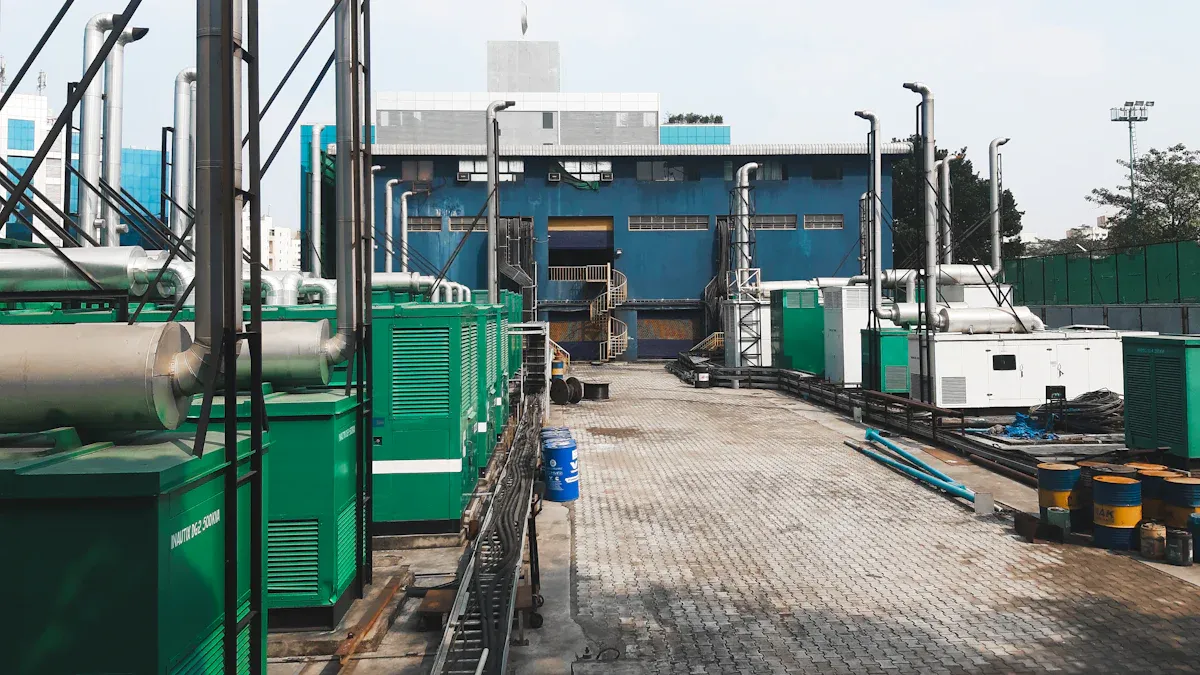
Caterpillar is a top company that makes generators for data centers. The company has made engines and generators for many years. Their products help keep data centers running without stopping. Caterpillar gives many technology choices to make projects easier and keep things working all the time.
Caterpillar’s backup power solutions include:
- Mobile generator sets that keep generators healthy and save fuel.
- Battery energy storage systems that work with generators for short or long use.
- Gas generator sets that use natural gas, hydrogen, or mixed fuels to help lower greenhouse gas emissions.
These products help data centers work better, stay reliable, and protect the environment. Many data centers pick Caterpillar for backup power. The brand is known as one of the best in the business.
Cummins
Reliability and Support
Cummins is known for making reliable generators for data centers. Their generators have strong engines that give steady power and react fast to changes. Digital voltage regulation keeps the voltage steady even when loads change. Advanced monitoring lets people check performance and get alerts from far away, so they can fix problems before they get worse.
Key features of Cummins generators include:
- Reliability: Built to stop downtime in important places.
- Comprehensive Support: Has a worldwide service team for fixing and caring for generators.
- Adaptability: Comes in many power sizes to fit different needs.
Cummins helps data center customers with maintenance plans like oil changes, filter swaps, and checks. Their control systems, like PowerCommand, let people watch and fix generators from far away. The modular design makes fixing and caring for generators easier. This helps keep data centers running and reliable.
Generac
Modular Systems
Generac makes modular generator systems for data centers. Their products help with backup and failover needs. Generac’s systems make sure power stays on during outages or equipment problems. The modular design lets data centers add more power as they grow. This gives flexibility for big and small places.
- Generac’s systems fit well with what data centers already have.
- The company focuses on backup, which is needed to keep data centers working all the time.
- Their generators give reliable backup power and help stop downtime and data loss.
Generac is a trusted brand for groups that want strong and flexible generators for data centers.
MTU Onsite Energy
Performance Standards
MTU Onsite Energy is known for making generators that meet tough standards. These generators give steady power even when things get hard. MTU builds engines to last longer and need less fixing. This helps data centers work more and stop less. Using less fuel saves money and helps the planet.
- Data centers stay online when it matters most.
- Efficiency helps save money and reach green goals.
- Less fixing means systems run longer with fewer stops.
MTU generators can start up in different ways. Engines get to full power fast, which is important when power is needed right away. Extra backup and high availability keep outages away. The modular design makes setup quick and lets data centers change things easily. Data centers can grow and still keep power steady.
MTU uses new technology to lower emissions a lot. Renewable fuels can cut CO₂ by up to 90%. This helps data centers be more green.
| Certification/Standard | Description |
|---|---|
| Uptime Institute Tier III | Makes sure data centers have backup and steady power. |
| Uptime Institute Tier IV | Gives more backup and protects important places from problems. |
Mitsubishi
Engineering Excellence
Mitsubishi is great at making generators for data centers. The company cares about performance, reliability, and meeting world standards. Mitsubishi generators react fast to sudden power needs. They can handle full power in one step, which is needed for big data centers.
| Feature | Description |
|---|---|
| Compliance | Tier IV and ANSI/TIA-942-C |
| Load Capability | Handles full power in one step |
| Response Time | Reacts quickly to sudden power needs |
| Certification | Meets world data center standards |
Mitsubishi keeps things reliable and efficient by planning installs carefully. Generators turn on while another turns off, so risk and time are less. N+1 backup adds a third generator to lower risks more. Full checks and belt changes make sure service does not stop during installs.
| Strategy | Description |
|---|---|
| Installation Planning | Generators turn on while another turns off to lower risk and save time. |
| N+1 Redundancy | A third generator is added to lower risks during work. |
| Maintenance | Full checks and belt changes keep service going during installs. |
- Reliability is very important for customers in APAC.
- More people need electricity, so strong power is needed.
- Mitsubishi Generator Series is made to meet these needs with good performance and reliability.
LETON POWER
Integrated Power Systems
LETON POWER makes special power systems for AI data centers. The company has rich-burn gas generators that boost reliability and performance. These generators take big loads and react quickly. Natural gas turbines give nonstop power, which is key for data centers. Battery storage systems help with peak power and work with green energy. This keeps data centers stable and reliable.
LETON POWER helps big and small data centers in over 30 countries. The company delivers fast, much quicker than most others. Plans and designs are ready in hours, so data centers can start projects fast.
Flagship Products
LETON POWER’s main product, the Baudouin 16M55 Series, is made for high power needs in Tier III and Tier IV data centers. This generator gives up to 3750 kVA and takes up less space, saving building costs. It handles big loads well and keeps cool, which is good for AI clusters.
| Generator Model | Engine Model | 50Hz DCR (kVA) | 50Hz DCP (kVA) | 60Hz DCR (kVA) | 60Hz DCP (kVA) |
|---|---|---|---|---|---|
| WPG33007 | 16M55G3300 | 3300 | 3000 | – | – |
| WPG37507 | 16M55G3750 | 3750 | 3250 | – | – |
| WPG3300B76 | 16M55G3300 | – | – | 4125 | 3750 |
| WPG4000B76 | 20M55G4000 | – | – | 5000 | 4500 |
| WPG57757 | 20M61G5940 | – | 5250 | – | – |
LETON POWER adds automatic switches, big switchboards, and remote monitoring. The company works with top engine brands like Baudouin, MTU, Cummins, and Mitsubishi. LETON POWER’s solutions meet ISO 8528-G3, UL 2200, UL 142, and EPA Tier 2/Tier 3 standards. These certifications make sure generators are safe, work well, and follow rules for data centers.
Comparing Generators for Data Centers
Product Range
Big companies make many types of generators for data centers. Caterpillar, Cummins, Generac, MTU Onsite Energy, Mitsubishi, and LETON POWER have models for different power needs. Some brands build large generators for big data centers. Others make smaller systems for edge or small places. LETON POWER has high-density units like the Baudouin 16M55 Series. These work for Tier III and Tier IV data centers. Caterpillar and Cummins sell diesel and gas generators with many options. Generac and MTU Onsite Energy have systems that can grow as the data center grows. Mitsubishi uses advanced engineering for places that need lots of power. This gives data centers many choices for their size, location, and plans.
Note: Many companies also sell things like automatic transfer switches, fuel tanks, and remote monitoring systems. These parts help make a full backup power system.
Reliability
Reliability is very important for people who run data centers. Top brands make generators that can find coolant problems. They check if the radiator works right. They also spot wet stacking. These features help the generator work when it is needed most. Most systems have N+1 redundancy, automatic transfer switches, and work with uninterruptible power supplies (UPS). These things keep power on even if one part stops working.
- Finds coolant problems
- Checks if radiator works
- Spots wet stacking
- Helps generator work well
Companies like Generac Industrial Power, Caterpillar, Cummins, Kohler, and MTU Onsite Energy are known for reliable power. Their products meet strict rules for uptime and safety. LETON POWER also meets ISO 8528-G3, UL 2200, and EPA Tier 2/Tier 3 rules. These show the generators are ready for today’s data centers.
Support Network
A good support network helps keep generators working well. Caterpillar and Cummins have teams all over the world for repairs, maintenance, and spare parts. MTU Onsite Energy and Mitsubishi give technical help and training. Generac offers remote monitoring and quick help. LETON POWER gives 24/7 help from senior engineers and supports customers from planning to setup.
| Manufacturer | Global Service | Remote Monitoring | Training | 24/7 Support |
|---|---|---|---|---|
| Caterpillar | ✔️ | ✔️ | ✔️ | ✔️ |
| Cummins | ✔️ | ✔️ | ✔️ | ✔️ |
| Generac | ✔️ | ✔️ | ✔️ | ✔️ |
| MTU Onsite Energy | ✔️ | ✔️ | ✔️ | ✔️ |
| Mitsubishi | ✔️ | ✔️ | ✔️ | ✔️ |
| LETON POWER | ✔️ | ✔️ | ✔️ | ✔️ |
These services help data centers have less downtime and make their generators last longer.
Innovation
Generator makers keep coming up with new ideas for data centers. They want their products to be reliable, green, and easy to change. New technology helps data centers handle more work and tougher rules.
Many companies now sell gas generators for main power. These generators help data centers skip long waits for grid hookups. Gas generators also help data centers use cleaner energy. Caterpillar has new generator sets that work better and save energy. Their natural gas generator set is certified for emergencies. This product gives backup power when the lights go out.
LETON POWER makes power systems for AI data centers. Their Baudouin 16M55 Series uses smart controls and good cooling. These systems handle sudden big loads in AI clusters. LETON POWER can set up fast and match technical needs quickly. Their solutions meet ISO 8528-G3 and UL 2200 rules.
EdgeCloudLink has hydrogen-powered modular data centers. These off-grid systems show a move to greener ways. Hydrogen generators make less pollution and help green projects. Data center operators are also looking at onsite modular nuclear power plants. These plants give steady power and help with high-density computing.
Data centers get help from things like remote monitoring and automatic transfer switches. These features let operators check how things work and fix problems fast. Modular designs make it simple to add more power as data centers grow.
Manufacturers spend money on research to make generators better. They use strong materials and smart controls. These changes help generators work better and need less fixing. Companies like MTU Onsite Energy and Mitsubishi work to lower pollution and meet world rules.
| Innovation Type | Manufacturer | Benefit |
|---|---|---|
| Gas Generator Sets | Caterpillar, LETON POWER | Faster setup, cleaner energy |
| Hydrogen-Powered Modules | EdgeCloudLink | Greener, works off the grid |
| Modular Nuclear Plants | Industry-wide | Steady power, helps big computers |
| Remote Monitoring | Multiple Brands | Fast fixes, more reliable |
| Advanced Controls | LETON POWER, MTU, Mitsubishi | Handles big loads, keeps cool |
Generator makers keep working to make new solutions. They build products that fit what modern data centers need. These new ideas help operators keep systems running, save money, and reach green goals.
Selection Criteria for Data Center Generators
Scalability
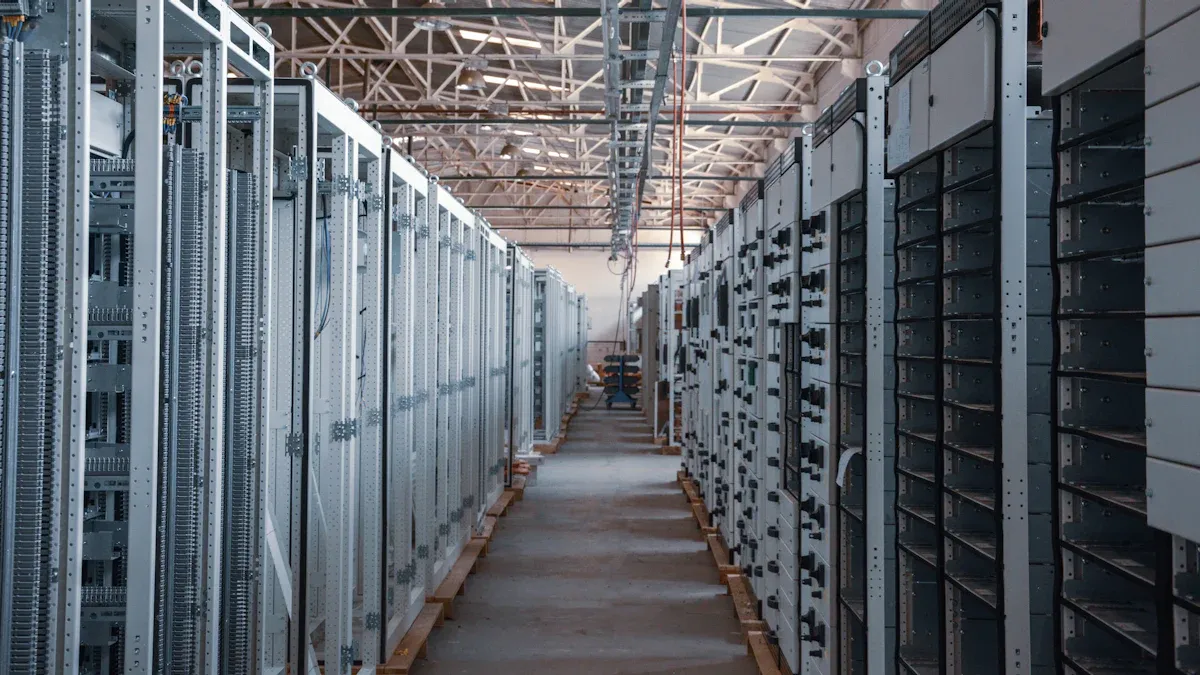
Data centers can get bigger very quickly. Operators need generators that grow with them. Scalability means you can add more power without changing everything. Big brands make generators that are easy to expand. Hyperscale data centers use many large units for big IT jobs. Edge data centers pick small generators for tiny places.
AI, 5G, and IoT make the need for more power go up. These new things need fast processing and more local data centers.
Generac sells generators from 2.25 MW to 3.25 MW. You can get them in diesel or natural gas. They work for hyperscale, colocation, enterprise, and edge data centers. LETON POWER has high-density models like the Baudouin 16M55 Series for Tier III and Tier IV data centers. These units are good for quick setup and future growth.
| Capacity Category | Market Share | Key Drivers |
|---|---|---|
| 1 MW–2 MW | N/A | Medium-sized data centers focus on energy efficiency |
| >2 MW | >45% | Hyperscale and large enterprise data centers, cloud, AI workloads |
Scalable generators help data centers add power when they need it. This saves money and stops long outages.
Service and Maintenance
Service and maintenance keep generators working well. Regular checks and load bank tests find problems early. These steps stop breakdowns and keep data centers running during power loss.
Manufacturers have teams all over the world to help. Brands like Caterpillar, Cummins, MTU, Mitsubishi, and LETON POWER give 24/7 technical support. They offer training, remote monitoring, and fast parts delivery. LETON POWER’s engineers help from planning to setup at the site.
Good maintenance means less downtime and longer generator life. Data centers need these services to keep running all the time.
Operators should pick brands with strong service teams. Fast help and expert advice matter a lot in emergencies.
Customization
Each data center is different. Top generator makers give many ways to customize. These include special covers, starting tools for tough weather, and custom control systems. Companies also make fueling systems that follow strict rules.
| Customization Options | Description |
|---|---|
| Customized Enclosures | Built for specific environments and operational needs |
| Starting Aids for Extreme Ambient Environments | Ensure reliable starts in harsh conditions |
| Control Accessories | Enhance generator functionality |
| Fueling Systems and Compliance | Meet regulatory standards |
| Standard Testing of Equipment | Witness testing for specification compliance |
| Load Center | Custom power distribution setups |
| Painting/Preparation of Final Coat | Custom finishes for aesthetics and environment |
| AC/DC Lighting | Tailored lighting for efficiency |
Manufacturers also change layouts, materials, and system setups. They follow rules like UL 508A, NEC, and IBC. You can get skid-mounted or modular units. LETON POWER, for example, sends technical layouts in 12 hours and changes solutions for each site.
Customization makes sure the generator fits the data center’s space, weather, and needs. This helps with long-term use and following the rules.
Compliance
Data centers have to follow strict rules to stay safe and reliable. Generator compliance means meeting important standards and certifications. These rules make sure backup power works well in emergencies. Operators want generators that pass hard tests and meet global rules.
Regulatory groups set these standards for generators. They want generators to handle the needs of modern data centers. Compliance covers safety, performance, emissions, and reliability. It also checks how well a generator fits into the power system.
The Uptime Institute makes one of the most important standards. This group sets the Tier system for data centers. Each Tier has its own backup power rules. The table below shows what Tier III and Tier IV need:
| Certification Tier | Key Requirement | Description |
|---|---|---|
| Tier III | Concurrent Maintainability | Any single generator can fail or be taken offline for maintenance without stopping operations. |
| Tier IV | Fault Tolerance | No single point of failure; the facility stays online even if an entire power plant is lost. |
Generators must meet safety and environmental standards too. UL 2200 shows a generator is safe for critical places. UL 142 covers fuel tank safety. EPA Tier 2 and Tier 3 limit emissions to protect the environment. ISO 8528-G3 sets rules for load acceptance and frequency stability. These certifications help data centers avoid risks and follow local laws.
Manufacturers build products to meet or beat these standards. LETON POWER makes generators that follow ISO 8528-G3, UL 2200, UL 142, and EPA emission rules. Other big brands also focus on compliance for global customers. Meeting these standards is more than passing tests. It shows they care about quality and reliability.
Operators should always check for certifications before picking a generator. Certified products give peace of mind and help data centers stay online during power problems.
Compliance also means keeping up with new rules. As technology and laws change, manufacturers update their designs and processes. This helps data centers trust their backup power systems now and later.
LETON POWER’s Competitive Advantages
Rapid Deployment
LETON POWER is a Chinese company that makes diesel generator sets. They send backup power to data centers faster than most other companies. LETON POWER keeps many 2MW and 3MW units in stock. These units are ready to ship right away. Customers get their generators in 18 to 30 weeks. Other companies take 40 to 100 weeks. This fast delivery helps data centers start sooner and avoid delays.
LETON POWER’s team answers project needs quickly. They give technical layouts and specs in 12 hours. This helps urgent projects and cuts planning time. LETON POWER works in over 30 countries. They are a trusted partner for big and small data centers all over the world.
Engineering Integration
LETON POWER uses advanced engineering to make power systems. Their generator sets have engines from brands like Cummins, Perkins, Weichai, Isuzu, and Kubota. For data centers, they mostly use Dongfeng Cummins and Weichai Baudouin engines. These engines give reliable performance and last a long time.
LETON POWER’s engineers make custom solutions for each project. They design layouts, fuel systems, and control panels for each site. Customers can pick open-skid units or noise-reducing enclosures. LETON POWER also has automatic transfer switches, big switchboards, and remote monitoring. This lets data centers meet strict rules and change as needed.
LETON POWER builds generators with careful assembly and tough quality checks. Calibrated torque lowers vibration and stops mechanical problems. CNC machines and robots make parts strong and consistent. These steps make sure every generator meets high standards.
Performance and Certifications
LETON POWER’s generators meet strict rules for data centers. The company checks each unit many times to make sure there are no defects. Every generator goes through several tests before it leaves the factory:
- Reliability testing runs the generator under load for over 72 hours
- Full-load testing checks voltage and frequency at 100% capacity
- Environmental testing puts generators in extreme heat, humidity, dust, and salt spray
- Noise and emission testing meets ISO 8528 and EPA Tier 4 standards
These tests show LETON POWER cares about quality and safety. Their products have certifications like ISO 8528-G3 for load acceptance, UL 2200 for safety, UL 142 for fuel tanks, and EPA Tier 2/Tier 3 for emissions. LETON POWER sells affordable generators with guaranteed quality. This makes them a good choice for important data centers.
Flagship Baudouin 16M55 Series
The Baudouin 16M55 Series is LETON POWER’s main generator for modern data centers. This series gives strong power for Tier III and Tier IV places. It works well for artificial intelligence and advanced computing clusters. LETON POWER made the 16M55 Series to be tough, fast, and very reliable.
Key Features of the Baudouin 16M55 Series:
- High Power Density: The 16M55 engine can give up to 3750 kVA (ESP). It fits in a small space. Data centers save money on building costs and use more space.
- Superior Load Acceptance: The generator can handle sudden big loads. This is common in AI server rooms. It keeps working steady during busy times.
- Advanced Thermal Management: Electronic controls and cooling systems keep the generator from getting too hot. It works well even when used a lot.
- Integrated System Architecture: LETON POWER has open-skid and special noise-reducing covers. Operators can pick what works best for their site.
- Certified Safety and Compliance: The 16M55 Series meets ISO 8528-G3, UL 2200, UL 142, and EPA Tier 2/Tier 3 standards. These certifications make sure it is safe, works well, and follows rules.
Note: The Baudouin 16M55 Series helps with important jobs. Data centers can count on this generator to keep things running during power problems.
Technical Specifications Table:
| Model | Engine Model | 50Hz DCR (kVA) | 50Hz DCP (kVA) | 60Hz DCR (kVA) | 60Hz DCP (kVA) |
|---|---|---|---|---|---|
| WPG33007 | 16M55G3300 | 3300 | 3000 | – | – |
| WPG37507 | 16M55G3750 | 3750 | 3250 | – | – |
| WPG3300B76 | 16M55G3300 | – | – | 4125 | 3750 |
| WPG4000B76 | 20M55G4000 | – | – | 5000 | 4500 |
| WPG57757 | 20M61G5940 | – | 5250 | – | – |
Why Data Centers Choose the 16M55 Series:
- Operators get fast setup with LETON POWER’s big stock of certified units.
- The 88-liter, 16-cylinder engine gives steady power for large and small data centers.
- Modular design makes it easy to connect with automatic transfer switches, switchgear, and remote monitoring.
- LETON POWER’s engineers send technical plans and layouts in 12 hours. This helps projects start quickly.
The Baudouin 16M55 Series shows LETON POWER’s promise to power the digital world. Data centers all over trust this product for nonstop work, growth, and meeting top industry rules.
Future Trends in Data Center Generators
Sustainability
Generator makers are finding new ways to help data centers be more green. They work to cut emissions and use fuel better. Many companies now sell generators that make less pollution. These generators use natural gas, bi-fuel, or hybrid systems. This helps data centers lower their carbon footprint. MTU diesel engines can cut CO₂ emissions by up to 90% with Hydrotreated Vegetable Oil (HVO). Special systems and custom settings help reduce pollution even more.
Data centers are looking at nuclear and geothermal energy too. Some operators team up with startups for small modular reactors (SMRs) and new geothermal technology. These ideas help the world use cleaner energy.
LETON POWER and other top brands follow strict environmental rules. They spend money on fuel-saving technology and add renewable energy to their backup power systems.
| Initiative Type | Description |
|---|---|
| Low-emission Generators | Switch from diesel to natural gas, bi-fuel, and hybrid systems to cut carbon footprints. |
| Fuel Efficiency Technologies | Invest in technology to use fuel better and add renewable energy. |
| Compliance with Standards | Follow tough environmental rules to meet big providers’ green goals. |
Modular Solutions
Modular generator systems are changing how data centers get backup power. Small modular reactors (SMRs) are the future of nuclear power. Big tech companies like Amazon, Google, and Microsoft invest in SMRs to meet the growing power needs of AI data centers. SMRs give dedicated power and help avoid old energy problems.
Operators can add modular generator systems fast. These systems let data centers grow as needed. LETON POWER has high-density modular units like the Baudouin 16M55 Series. These units help with quick setup and easy expansion. Modular designs help data centers handle new workloads and tech changes.
- SMRs give steady power for important jobs.
- Modular generators are quick to set up and easy to connect.
- Data centers get flexible solutions that fit their growth.
Remote Monitoring
Remote monitoring is now very important for data center generators. Makers add smart energy management systems, IoT sensors, and software that predicts maintenance. These tools let operators watch how generators work and when they need care. AI analytics help use energy better and make things run smoother.
More data centers want automation and remote control, especially big ones. Digital monitoring and smart controls cut downtime and make systems more reliable. LETON POWER, Cummins, and other brands have cloud-based remote monitoring platforms. These platforms send important alerts and real-time info.
| Technology Type | Description |
|---|---|
| Advanced Energy Management Systems | Lets people check and control energy systems from far away. |
| IoT-enabled Sensors | Tracks generator performance and care needs in real time. |
| Predictive Maintenance Software | Helps predict when maintenance is needed for better efficiency. |
| AI-based Analytics | Gives tips to use energy smarter and boost performance. |
| Cloud-based Remote Monitoring | Sends real-time info and alerts to operators. |
Remote monitoring helps operators keep systems running and fix problems fast. These new tools help data centers change and keep backup power reliable.
Many companies make generators for data centers. Each brand has its own special features and strengths. Some are known for good technology, others for being reliable or giving great help. Operators need to look at what products are offered, how easy it is to get help, and if the generators follow important rules. Picking the right generator helps data centers work well for a long time. Old and new companies, like LETON POWER, give strong choices for today’s data centers.
FAQ
What is the main purpose of a data center generator?
A data center generator gives backup power when the lights go out. It keeps servers and equipment working. This stops downtime and keeps data safe.
Which certifications matter for data center generators?
Important certifications are ISO 8528-G3, UL 2200, UL 142, and EPA Tier 2/Tier 3. These show the generator is safe, works well, and follows environmental rules.
How fast can LETON POWER deliver generators?
LETON POWER sends most generators in 18 to 30 weeks. This is quicker than most other companies.
What fuel types do data center generators use?
Data center generators run on diesel, natural gas, or bi-fuel. Some new models use hydrogen or renewable fuels.
Why do data centers need modular generator systems?
Modular systems help data centers add more power as they grow. This makes it easy to expand and change how things work.
How do operators monitor generator performance?
Operators use remote monitoring platforms to check generators. These systems give alerts, show how things are working, and remind about maintenance.
What is the Baudouin 16M55 Series best known for?
The Baudouin 16M55 Series gives strong power and handles big loads fast. It works well for Tier III and Tier IV data centers.
Who provides support and maintenance for data center generators?
Most big brands, including LETON POWER, give 24/7 technical help, worldwide service teams, and on-site support.

