
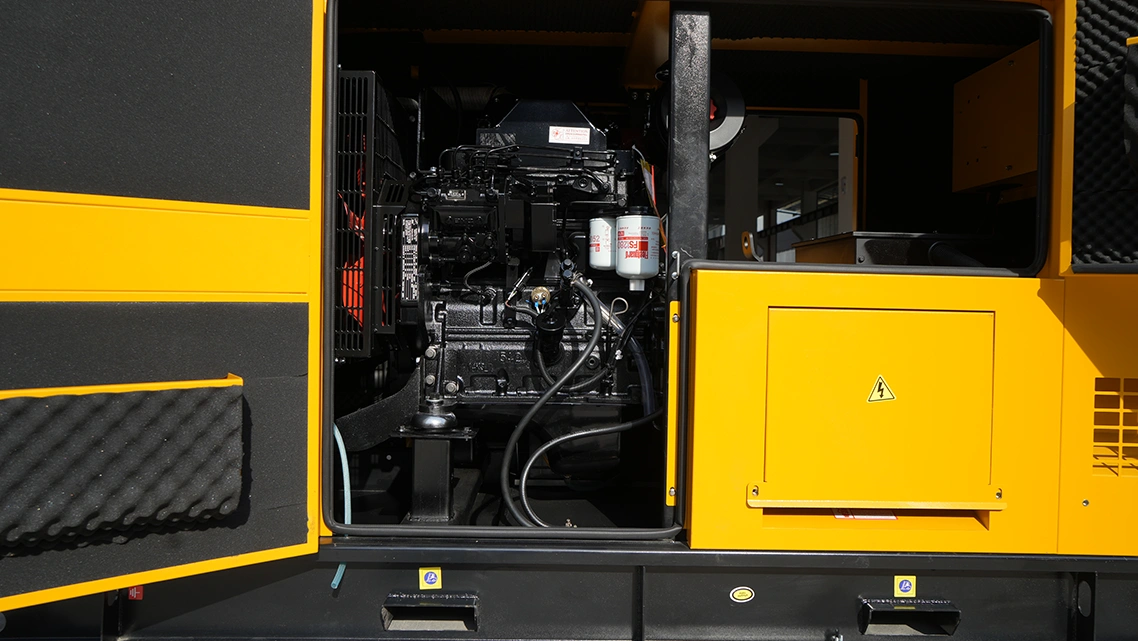
What shows a diesel generator has problems? Power problems come up first. Weird sounds, leaks, getting too hot, and working less well are next. These signs need you to pay attention. Finding problems early stops many breakdowns and high repair bills. Studies say regular diesel generator maintenance can save a lot of money.
| Maintenance Type | Cost Reduction Percentage |
|---|---|
| Regularly Maintained Generators | 30% – 50% lower |
| Generators Without Maintenance | Higher costs |
Seeing these signs helps every operator keep power on and save money.
Key Takeaways
- Look for power problems. If your generator is hard to start or gives weak power, it needs help right away.
- Listen for odd sounds. Knocking or grinding noises can mean there are inside problems that need fast repairs.
- Look for fluid leaks. Oil and fuel leaks can cause expensive repairs and hurt the environment if not fixed.
- Watch the temperature readings. High temperatures and warning lights mean the engine is getting too hot and could get damaged.
- Notice smoke coming out. Different smoke colors show different problems that must be fixed to protect the engine.
- Do regular checks. Sticking to a maintenance schedule helps find problems early and keeps your generator working well.
- Use the correct oil and filters. Good maintenance helps your generator work better and last longer.
- Respond fast to warning signs. Finding problems early can save money and stop big breakdowns.
Power Issues and Frequent Breakdowns
Diesel generators can act up when not cared for. Power problems are easy to notice. Sometimes the generator will not start, gives weak power, or stops suddenly. These signs mean more breakdowns might happen soon.
Failure to Start
A generator that does not start can be very frustrating. It just sits there while people wait for power. Most problems come from the battery, electrical system, or fuel lines.
Battery and Electrical Problems
Batteries help start the generator. If they fail, the generator will not work. Old batteries, corrosion, or sulfation can make batteries weak. Dirty terminals and loose wires also cause trouble. Checking batteries often keeps them working well. Operators should clean battery terminals and replace old batteries. Glow plugs help in cold weather. If glow plugs do not work, the generator may not start.
Fuel System Issues
Fuel system problems can be hard to find. Clogged filters, air in the lines, or bad fuel can stop the generator. Dirty filters block fuel flow and hurt the engine. Air leaks and dirt make starting hard. Checking fuel filters, lines, and tanks helps prevent problems. Even small clogs can cause breakdowns and expensive repairs.
Fluctuating or Declining Power Output
Generators sometimes give strong power, then weak power. This means there could be bigger problems.
Risks to Equipment
Unstable power can hurt computers, lights, and machines. These things need steady voltage. Sudden changes can break circuits or lose data. Operators should watch for flickering lights or machines that stop and start.
Troubleshooting Steps
Finding power problems takes careful checking. Operators should:
- Look at the governor springs for bending.
- Check if the flyweight roller and seat frame are worn out.
- Make sure the oil pump gear and rack fit together.
- Check the flyweights for even opening and closing.
- Look for loose parts in the governor housing and oil pump cover.
- Check the camshaft for too much space.
| Diagnostic Step | Description |
|---|---|
| Check AVR Voltage Gain | Make sure the AVR voltage gain is set right. |
| Adjust Voltage Gain | Turn the screw left if voltage gain is low. |
| Voltage Range | Keep voltage between 230V and 250V for best results. |
If fuel supply changes, engine speed can jump. This makes voltage and frequency change a lot. Fixing speed control problems helps keep power steady.
Tip: Generators that stop often or have many problems may be old. Operators should check them carefully or think about getting a new one to avoid more trouble.
Strange Noises During Operation
Diesel generators can be very loud sometimes. They make strange noises that everyone can hear. These sounds can make people wonder what is wrong. Operators might hear knocking, grinding, squealing, or weird shaking. Each noise gives a hint about the machine’s problem.
Knocking and Grinding Sounds
Knocking and grinding sounds are easy to notice. These noises usually mean something is wrong inside.
Mechanical Wear
Mechanical wear shows up with many different sounds. Here are some noises that mean there are problems:
- Knocking at the front cover means the transmission gears are worn.
- Loud, steady sounds at the cylinder head show big gaps in the valves.
- Heavy knocking from the cylinder head may mean a valve hits the piston.
- Squeaking at the cylinder head means it needs more oil.
- Sharp sounds can come from a crankshaft bearing with not enough space.
- Knocking in the cylinder might mean broken valve springs or bad tappets.
- Knocking on the cylinder wall means the piston and liner have a big gap.
- Banging from the crankshaft moving back and forth means thrust bearings are worn.
- Light sharp sounds while running may be from a loose piston pin or rod bushing.
- Steady metal knocking in the cylinder could mean the fuel injection timing is wrong.
Each sound is a clue. Operators who listen can find problems early.
Internal Damage
Internal damage is hard to see but easy to hear. If grinding or knocking gets louder, parts inside may be breaking. Ignoring these noises can cause bigger problems. The engine could fail or repairs could cost a lot. Operators should check right away when they hear these sounds.
Tip: If a generator sounds like a rock band, check it soon. Fixing problems early saves money and keeps power on.
Squealing or Unusual Vibrations
Squealing and shaking make the generator seem even noisier. These sounds often mean something is loose or worn out.
Belt and Bearing Issues
Belts and bearings work hard inside the generator. When they get old, they make loud noises. Squealing or grinding often comes from bad belts. Knocking or rattling can mean engine parts are loose. Checking the generator often helps find these problems early. Operators should change old belts before they break. Bearings also need care. If not fixed, they can make the generator shake a lot.
A generator that shakes or squeals needs help. Fixing problems fast keeps it working well and stops big repairs.
Fluid Leaks and Rising Repair Costs
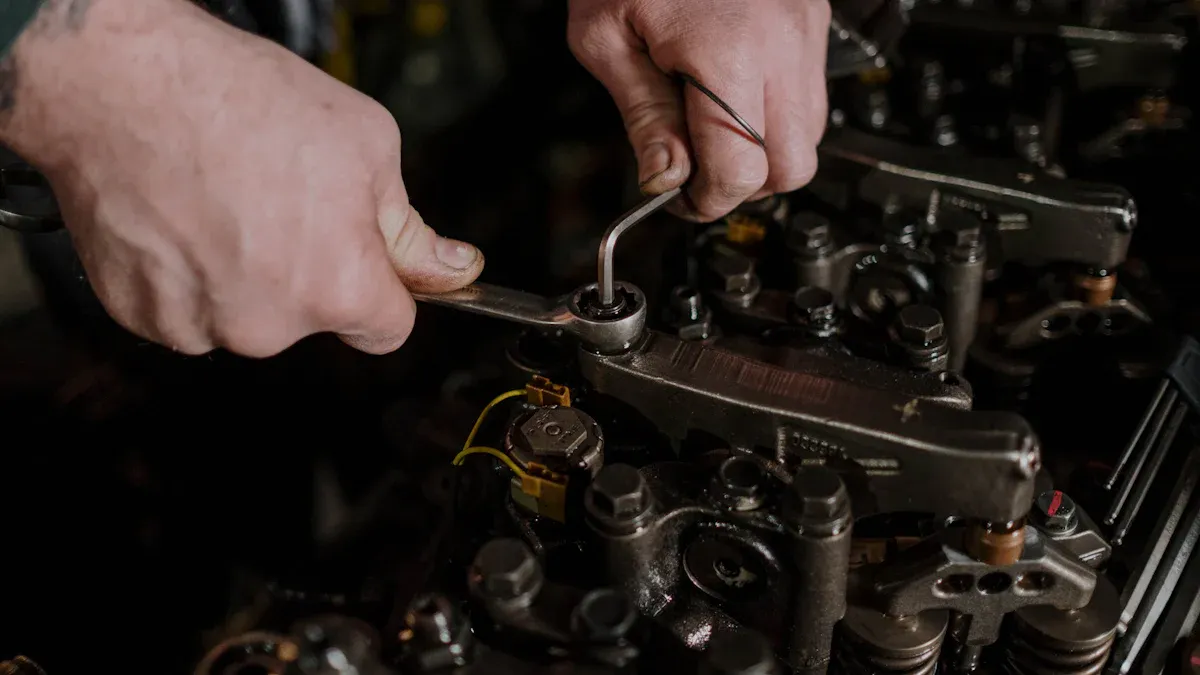
Diesel generators can leak like a dripping faucet. Oil and fuel sometimes drip out and make puddles. These leaks are messy and cost a lot to fix. If operators ignore leaks, repairs get more expensive. Surprise breakdowns can also happen.
Identifying Oil and Fuel Leaks
Finding leaks is like being a detective. Operators need to look closely and check often. They watch fuel levels and fill up when needed. They use a dipstick to check engine oil. The oil should be at the safe mark. They look for shiny or wet spots under the generator. Sometimes, they smell fuel or oil because it is strong.
- Watch fuel levels and fill up if needed.
- Use a dipstick to check oil is at the right level.
- Look for leaks of fuel, oil, or coolant.
Operators follow steps to find leaks:
- Use the dipstick to check oil.
- Look at the fuel system for leaks near the tank, lines, and injectors.
Common Leak Locations
Leaks hide in certain places. Oil leaks from the gasket, oil pan, or filter. Fuel leaks from the tank, hoses, or injectors. Coolant leaks near the radiator or water pump. Operators should check these places every time.
Environmental Impact
Leaking fluids hurt more than the generator. They can pollute dirt and water. Oil and fuel spills can get operators in trouble. Animals can get sick if chemicals get in the ground. Fixing leaks helps the earth and avoids fines.
Tip: A small leak can become a big spill fast. Fixing leaks early saves money and keeps nature safe.
Coolant Leaks
Coolant leaks can make a generator overheat. When coolant leaks out, the engine gets too hot. Hot engines can bend or crack metal parts. If operators find coolant leaks early, they stop big problems.
| Common Causes of Coolant Leaks | Recommended Repair Procedures |
|---|---|
| Worn Gaskets and Seals | Replace worn gaskets and seals |
| Loose Connections | Tighten connections |
| Corrosion or Rust | Fix corrosion or rust |
| Cracked or Damaged Components | Repair or replace broken parts |
| Improper Installation | Make sure parts are put in right |
| High Operating Temperatures | Watch engine temperature |
| Excessive Vibration | Make sure parts do not shake loose |
| Age and Wear | Do regular maintenance |
Overheating Risks
Engines do not like heat. Coolant leaks make engines too hot. Too much heat can melt seals and bend metal. It can also break electronics. If operators ignore leaks, the generator might break for good. Repairs cost more and take longer.
Note: If a generator overheats once, it might do it again. Checking often and fixing leaks keeps the engine cool and working.
Overheating and Smoke

Diesel generators can get very hot. Sometimes, they blow out smoke and flash warning lights. These signs mean something is wrong. Operators who notice these problems early can stop big damage.
High Temperature Readings
Generators do not like high heat. If the temperature gauge goes up, trouble can start. The engine may get too hot. Parts might bend or break. Operators should watch the temperature display all the time.
Warning Lights
Warning lights are easy to see. A red or yellow light means the generator is too hot. Some generators beep or flash when overheating. Operators should not ignore these warnings. The engine may need to cool down or get checked.
Tip: If a warning light turns on, look at coolant levels and airflow. A blocked radiator or low coolant can make the engine overheat.
Causes of Overheating
Engines can overheat for many reasons. Coolant leaks, dirty air filters, and broken fans are common causes. Old oil can also make engines run hot. Sometimes, the generator works too hard for too long. Operators should look for leaks, clean filters, and check fans.
| Common Overheating Causes | What Happens Next? |
|---|---|
| Coolant leaks | Engine temperature rises |
| Blocked air filter | Airflow drops, heat builds |
| Broken fan | Poor cooling, more heat |
| Old or low oil | Friction increases, engine heats up |
Smoke Emissions
Smoke coming from a generator is a bad sign. Sometimes, it looks like a train blowing steam. Too much smoke means there is a problem inside.
Black, Blue, or White Smoke
Smoke can be black, blue, or white. Each color means something different.
| Smoke Color | Causes | Relation to Engine Damage |
|---|---|---|
| Black Smoke | Imbalanced air-fuel ratio, poor fuel quality, faulty fuel injection system | Incomplete combustion leads to carbon deposits, damaging the engine. |
| Blue Smoke | Oil consumption due to worn components | Indicates engine wear, leading to potential engine damage. |
| White Smoke | Coolant leakage into combustion chamber | Can cause overheating and further engine issues. |
- Black smoke means the engine burns fuel the wrong way. Dirty injectors or blocked air filters can cause this. If ignored, black smoke can leave sticky carbon and hurt the engine.
- Blue smoke means the engine burns oil. This shows that some parts are worn out and need fixing.
- White smoke means coolant is getting into the engine. This can make the engine overheat and break.
Operators should act fast if they see smoke. Regular checks help keep engines healthy and stop smoke.
Engine Damage
Smoke can hurt the engine. Black smoke leaves sticky stuff inside. Blue smoke means oil burns and parts wear out. White smoke brings coolant where it should not go. This can cause overheating and cracks. Ignoring smoke can lead to big repairs and lost time.
Note: Generators that blow smoke need help. Fixing problems early keeps the engine working and saves money.
Reduced Efficiency and Increased Oil Consumption
Diesel generators sometimes act tired. They need more oil and run slower. They also use more fuel than normal. These signs show the generator is not working well. Operators might not notice right away.
More Frequent Oil Top-Ups
Generators that need oil often are trying to tell you something. They could be leaking or burning oil. Sometimes, parts inside are wearing out. Operators may see puddles under the generator. The oil gauge might drop quickly.
Internal Wear
Inside the generator, moving parts need oil. Oil helps parts move smoothly and keeps them cool. If oil gets dirty or old, it cannot protect the engine. The engine wears out faster. Here are some reasons why a generator needs more oil:
- Leaks inside the generator
- Burning oil from worn parts
- Not taking care of the generator
- Using the wrong oil or too much
Note: If oil looks dark or smells burnt, it is bad. Operators should change the oil before problems start.
When oil does not work, friction goes up. Parts rub together and get weak. The generator loses power. Over time, it needs more repairs and works less well.
Lower Fuel Efficiency
A generator that uses lots of fuel is not working right. Operators notice they fill the tank more often. The power does not go up. Sometimes, it even drops. This means the generator is less efficient.
Maintenance Solutions
Operators can fix high oil and fuel use. They should:
- Use the right oil and follow the manual.
- Check for leaks and fix them quickly.
- Change old filters and clean the engine.
- Keep up with regular diesel generator maintenance.
A generator that is not efficient costs more to run. It burns more fuel and needs more repairs. It may not last as long. Here is what happens when efficiency drops:
| Impact of Reduced Efficiency | Result for Operators |
|---|---|
| More fuel costs | Spend more money on fuel |
| More maintenance costs | Pay for more repairs |
| Shorter generator life | Replace the generator sooner |
Tip: If operators ignore these signs, the generator may stop working. Repairs can cost a lot.
A healthy generator uses oil and fuel the right way. Regular diesel generator maintenance keeps engines strong. It helps avoid problems with low efficiency.
Missed Diesel Generator Maintenance
Impact on Reliability
If you skip diesel generator maintenance, problems will happen. The generator can break down when you need it most. Sometimes, it will not start at all. Battery failures can surprise you. Sulfation makes batteries weak and not reliable.
| Metric | Well-Maintained Generators | Poorly Maintained Generators |
|---|---|---|
| Startup Reliability | 99.87% | 98.35% |
| Percentage of Malfunctions Due to Battery Failure | 43% | N/A |
| Percentage of Battery Failures Linked to Sulfation | 80% | N/A |
A generator that is not cared for breaks down more often. It can stop working during emergencies. Operators may lose uptime guarantees. The generator acts unpredictable and hard to trust.
| Consequence of Missed Maintenance | Impact on Reliability and Breakdown Frequency |
|---|---|
| Unexpected failures between preventative maintenance cycles | More breakdowns and less reliability |
| Premature component wear | Worn parts cause more breakdowns |
| Misalignment with uptime guarantees | Higher risk of failure in important places |
| Underinvestment in condition monitoring | Harder to find and stop problems |
Warranty and Longevity
Manufacturers want proof of diesel generator maintenance. If you skip service, you lose warranty protection. The generator gets old faster and needs more repairs. Taking care of the generator helps it last longer and work better.
Recommended Service Intervals
Operators who follow service intervals keep generators working well. NFPA 110 says to inspect every week and test loads every month. Records should be kept up-to-date.
- Inspect and maintain every 6 months or after 400 hours.
- Construction site generators need more checks.
- Change oil and do standard maintenance every 500 hours, or more if used a lot.
Preventive Actions
Smart operators fix problems before they get big. They check battery voltage and electrolyte levels. They clean corrosion from terminals. Charge rates are kept safe. Regular checks help find problems early.
| Benefit | Description |
|---|---|
| Regular Inspections | Checks for worn parts and finds problems early. |
| Testing | Makes sure the generator works under load and does not fail. |
| Maintenance | Keeps the generator working well and helps it last longer. |
- Regular diesel generator maintenance keeps power ready for emergencies.
- Finding problems early stops them from getting worse.
- Maintenance helps the generator last longer and saves money.
Tip: Treat diesel generator maintenance as very important. You will have fewer breakdowns and less stress. Skipping service causes trouble and costs more money.
LETON POWER Generator Reliability
LETON POWER is a trusted brand for diesel generators. Many operators like their strong machines and good support. People say LETON POWER generators work well most of the time. But even great machines can have problems. Operators should know what might happen and where to get help.
Common Issues
All generators have problems sometimes. LETON POWER units can make strange noises, leak, or lose power. Operators may hear rattling that sounds funny. Sometimes, the generator uses more fuel and seems tired. These problems do not mean the generator is bad. It just means every machine needs care.
Some common issues LETON POWER owners talk about are:
- Startup delays: The generator takes longer to start, especially when it is cold.
- Unusual vibrations: The machine shakes a lot, like people dancing.
- Oil or coolant leaks: Small puddles show up under the generator and make a mess.
- Reduced efficiency: The generator uses more fuel and gives less power.
Operators who notice these problems early can fix them fast. LETON POWER gives easy manuals and guides to help. These tools help operators solve problems without getting upset.
Manufacturer Support
LETON POWER helps operators when they need it. The company gives support by phone, email, and online chat. Operators can talk to real people and get answers. LETON POWER’s team knows a lot about generators. They help with warranty, advice, and spare parts.
Tip: Keep your generator’s serial number ready for faster help. The support team likes details.
LETON POWER shares maintenance schedules and checklists. Operators can download guides to keep generators working well. The company also posts videos for people who like to watch and learn.
Maintenance Resources
LETON POWER makes maintenance simple. Operators can find service centers in many places. These centers fix problems, change parts, and give advice. The staff at service centers know generators very well.
Service Centers
Service centers help operators keep generators working great. LETON POWER’s centers offer:
| Service Type | What Operators Get |
|---|---|
| Routine Maintenance | Oil changes, filter swaps, checks |
| Emergency Repairs | Fast fixes for urgent problems |
| Spare Parts | Genuine LETON POWER components |
| Technical Training | Tips and tricks for operators |
Operators who go to service centers leave with working generators. The centers use real parts, not fake ones. Staff explain repairs in easy words. They sometimes share fun stories about generators.
Note: Operators who visit often avoid surprise breakdowns. Service centers like seeing regular customers.
LETON POWER’s resources make generator care easier. Operators who use these tools keep machines running and pay less for repairs. Good support and easy service centers help LETON POWER stand out.
If you ignore warning signs in a diesel generator, small problems can get much worse. The engine might break down, or even catch fire. Power can drop if you skip maintenance. Checking the generator often helps find problems early. It stops parts from wearing out and keeps fuel use low. Regular checkups also help keep your warranty safe and save money over time. Operators who fix issues quickly spend less on repairs and keep power running. Do not wait for something to break—get your generator checked soon! 🚨
FAQ
What happens if a diesel generator makes loud knocking sounds?
Loud knocking means something is wrong inside the engine. Worn gears or loose parts can cause these sounds. Operators should listen for strange noises and get help quickly. Fixing problems early stops bigger trouble.
Why does my generator need more oil than usual?
If your generator uses lots of oil, it may have leaks or worn parts. It could be burning oil or spilling it. Operators should look for puddles and change the oil soon. This keeps the engine working well.
How often should operators perform diesel generator maintenance?
Operators should check the generator every week. They should test loads once a month. Oil changes and filter swaps are needed every 500 hours. Regular care helps the generator work better and last longer.
What does smoke coming from the generator mean?
Smoke means there is a problem. Black smoke shows bad fuel burning. Blue smoke means oil is burning. White smoke means coolant is leaking. Operators should fix these problems fast to avoid damage.
Can the advanced age of the generator cause more breakdowns?
Old generators break down more often. They need extra care and repairs. Operators should watch for signs of wear. Upgrading to a new generator can help before it stops working.
Why is it hard to find parts for my generator?
Finding parts is tough when the generator is old or rare. Some models need special parts that stores do not have. Operators should ask the manufacturer or service centers for help.
What should operators do if the generator overheats?
Operators should check coolant levels and clean air filters. They should make sure fans are working. The generator needs a cool place to run well. If it stays hot, call a technician before it gets worse.
How can operators save money on generator repairs?
Operators save money by fixing leaks early and listening for odd sounds. Following a maintenance schedule helps too. Regular care means fewer surprises and less money spent on repairs. Prevention is always best.

