

When I pick a data center diesel generator, I look at power needs, rules, technical details, and how it will work. Backup power is very important. Power failures cause over half of big data center problems. This makes emergency standby power very important. LETON POWER’s MW-scale solutions can be set up fast and work well anywhere. I always check things like where the generator goes, how much power is needed, how the electricity is set up, and if it has the right certifications.
| Factor | Description |
|---|---|
| Location of backup generator | Where the generator is placed near the data center |
| Load to satisfy | How much power is needed when running |
| Certifications | Meets rules like UL, EPA, ISO, and other standards |
| Size of generator | The size needed, with extra for safety |
Key Takeaways
- Figure out how much power you need by adding up all the IT load. Think about how your needs might grow in the future. This helps make sure the generator can handle what you need now and later.
- Pick a generator that has the right certifications, like UL 2200 and ISO 8528-G3. These show the generator is safe and follows the rules for the industry.
- Make a plan for backup in your generator setup. Using N+1 or 2N setups helps the data center keep working if something breaks or needs fixing.
- Choose the best fuel type for where your data center is and how it works. Diesel is very reliable. Natural gas can help lower pollution.
- Set up a schedule to test and take care of the generator often. Test it every month and do a big test once a year. This helps find problems early and keeps the generator ready to use.
Power and Load Assessment
Calculating Data Center Power Needs
When I plan for a data center generator, I start by figuring out how much power is needed. I look at all the IT equipment, cooling, lights, and other things that use power. I use Power Usage Effectiveness (PUE) to see how well the data center uses energy. If the PUE is lower, the data center is more efficient.
| Metric | Description |
|---|---|
| PUE | Power Usage Effectiveness, found by dividing all the energy used by the energy used by IT equipment. A lower PUE means the data center uses energy better. |
| Range | Most data centers have a PUE between 1.2 and 2.0. The best is 1.0. |
I think about many things that change how much power is needed:
- Climate: Hot places need more cooling, so they use more power.
- Equipment Efficiency: Newer servers and coolers use less power.
- Power Density: More machines in a small space need more cooling and power.
- Design and Layout: Good airflow helps cool things down and saves power.
- Operational Hours: If the data center runs all day, it uses more energy.
First, I figure out the most important IT load. This means the servers, switches, and storage. Then, I multiply this number by the PUE to find out how much power the generator needs. I always add extra power for future growth or surprises.
| Step | Description |
|---|---|
| 1 | Find your important IT load. This is the power used by servers, switches, and storage. |
| 2 | Know your PUE. This shows how much power is needed for cooling and other systems. |
| 3 | Add your IT load and PUE to get the total power needed for the generator. |
| 4 | Always add extra power for real-life problems and future needs. |
Sizing and Redundancy Planning
Sizing the data center generator is not just about today. I also plan for the future. I follow rules for redundancy. This keeps the data center working, even if one generator stops or needs fixing.
- N: This is the smallest amount of power needed. There is no backup. I do not pick this because it is risky.
- N+1: I add one more generator than needed. This lets me fix one or have one fail with no downtime. Most Tier III data centers use this.
- 2N: I double everything. This gives the most safety and is used in Tier IV data centers.
Redundancy is very important. By having extra parts, I stop one problem from shutting everything down. This keeps things running, even if something breaks. Redundancy is like a safety net. If one generator fails, another starts right away. The data center keeps working and no one notices a problem.
Fuel Type and Dual-Fuel Options
Picking the right fuel for a data center generator is important. I look at diesel, natural gas, and dual-fuel systems. Each one has good points.
I pick diesel when I need backup power, want to store my own fuel, and want easy setup. Diesel generators start fast and are very reliable. They work well in faraway places without gas pipes. They also cost less at first.
I think about dual-fuel or natural gas if the generator must run a long time or if I want less pollution. Natural gas is cleaner and helps with strict rules. It also saves money on fuel over time. But, it needs a steady gas supply.
I also check how fuel is stored and if it is safe. Sub-base diesel tanks have less chance of leaks and fires. They also keep fuel fresh because it is used up faster. External day tanks have longer fuel lines, which can be more risky.
| Feature | Sub-base Diesel Tanks | External Day Tanks |
|---|---|---|
| Leakage risk | Less risk because fuel lines are short | More risk because fuel lines are long |
| Fire hazard | Less likely to catch fire from outside | More likely to catch fire from outside |
| Contamination risk | Less risk because fuel is used up faster | More risk if fuel sits too long |
I always check the rules about pollution before I choose. Diesel generators can meet tough rules with special controls like SCR and DPF. Natural gas generators make less pollution, so they are easier to use with rules.
Tip: I always pick the fuel type that fits the data center’s place, how long it will run, and the rules. This makes sure backup power is safe and follows the law.
Compliance and Standards for Data Center Generators
Uptime Institute and Tier Requirements
When I pick a generator, I check the Uptime Institute Tier standards. These rules help me make sure backup power is reliable. Each Tier has its own rules for uptime and redundancy. Tier III and Tier IV need N+1 or 2N redundancy. This means I must have extra generators. Extra generators keep the data center running if one stops or needs fixing. I also look for dual power sources and dual-corded IT equipment. These features stop single points of failure. The generator must start fast and run for at least 72 hours. I use this table to compare the Tiers:
| Tier Level | Description | Generator Configuration |
|---|---|---|
| Tier I | No backup; if the generator fails, the data center stops. | N = 1 generator |
| Tier III | N+1 backup; lets you fix things without downtime. | N = 2 generators + 1 spare |
| Tier IV | 2N backup; two separate systems for best safety. | 2 separate systems of N+1 each |
NFPA, EPA, and Emissions Standards
I always follow safety and environmental rules when picking a generator. NFPA 110 says to test and check the generator every month. I also do a full-load test once a year. I change oil and filters often to keep the engine safe. EPA sets rules for emissions. In the United States, Tier 2 and Tier 3 rules cover most emergency generators. Some states, like Washington, need Tier IV for less pollution. In Europe, I check the EU Emissions Trading System and energy efficiency rules. These rules help keep the air clean and the data center safe.
Certifications (UL 2200, UL 142, ISO 8528-G3)
Certifications show that a generator meets strict safety and performance rules. I look for UL 2200 for generator safety and UL 142 for fuel tanks. ISO 8528-G3 is important for load acceptance and frequency stability. LETON POWER’s generators meet these standards. They also have EPA Tier 2 and Tier 3 certifications for emissions. These certifications help me trust the generator will work well anywhere.
Note: I always check for these certifications before picking a generator. This keeps the data center safe, reliable, and ready for emergencies.
Technical Specifications of Data Center Diesel Generators
Engine Performance and Load Acceptance
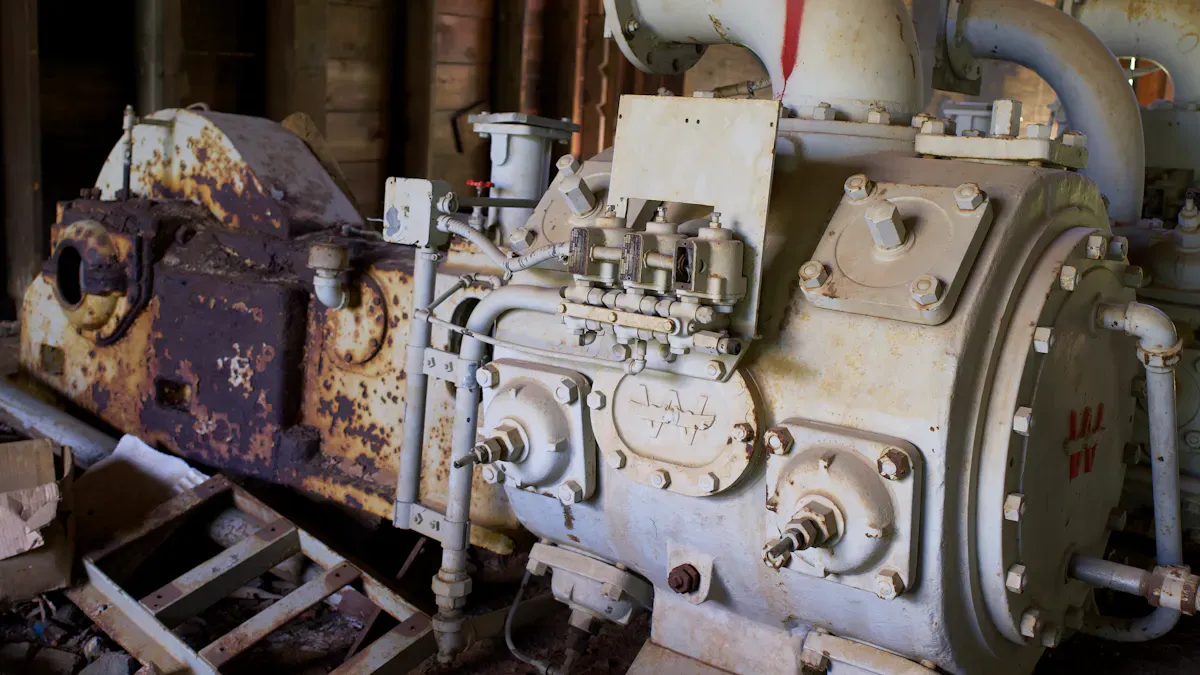
When I pick a diesel generator for a data center, I first check how well the engine works. The engine must handle quick changes in power use without causing trouble. I want it to accept big loads and react fast. These things help keep the power steady when servers turn on or off. Here is a table that shows the most important engine features:
| Metric | Description |
|---|---|
| Load Acceptance | The ability to handle sudden changes in load without large voltage drops. |
| Transient Response | Shows how well the generator accepts and rejects load, based on ISO 8528-5. |
| Brake Mean Effective Pressure | Measures engine performance during load steps. |
| Frequency Deviation | Tests how the generator responds to a sudden 100% power decrease. |
I trust LETON POWER’s Baudouin 16M55 Series for these reasons. This engine gives up to 3750 kVA (ESP) and does not take up much space. I have seen it work for more than 72 hours in tests. It passes full-load voltage and frequency checks easily. Tests show it works well even in hard places. The 16M55 Series meets ISO 8528-G3 for load acceptance, UL 2200 for safety, and EPA Tier 2/Tier 3 for emissions. These awards make me sure it is good for emergency backup power.
Alternator and Voltage Regulation
The alternator helps give steady power. I always check if the alternator can keep the voltage steady and protect important equipment. The table below shows what I look for:
| Function | Description |
|---|---|
| Regulates voltage | Keeps voltage stable in the electrical system. |
| Handles load variations | Adjusts excitation current to stabilize voltage during load changes. |
| Equipment protection | Buffers against voltage swings, protecting electronics. |
| Enhances system excitation | Improves voltage stability under fault conditions. |
| Maintains synchronization | Keeps power synchronized after faults. |
Digital Automatic Voltage Regulators (AVRs) are very important here. They watch and control the alternator’s output voltage. This keeps the power steady, even when the load changes quickly. I use alternators with SHUNT, AREP, or PMG excitation for better results. These systems help keep high power quality in important places. They also protect the generator and help it last longer. I have seen how good alternator systems give steady power for every data center generator I use.
Control, Monitoring, and Thermal Management
Modern diesel generators need smart control and monitoring. I always pick generators with digital control panels. These panels check voltage, current, and load all the time. They save data for later and help me see patterns. If something goes wrong, the system finds the problem and can turn off the generator to stop damage.
Remote monitoring is very important for big data centers. I use systems that send engine data to screens far away. Cellular IoT, Satellite IoT, and wires all work well. This lets me see how the generator is doing from anywhere. I can fix small problems before they get worse. This means less downtime and the data center keeps working well.
Thermal management is also important. The Baudouin 16M55 Series uses smart controls to keep the engine cool. This keeps the temperature steady, even when the generator works hard for a long time. Good thermal management protects the engine and helps the diesel generator work its best.
Tip: I always check the technical details for engine performance, alternator stability, and control systems before I pick a diesel generator set. This makes sure backup power is safe, reliable, and works well for every data center.
Integration with Data Center Infrastructure
UPS Compatibility and Transfer Switches
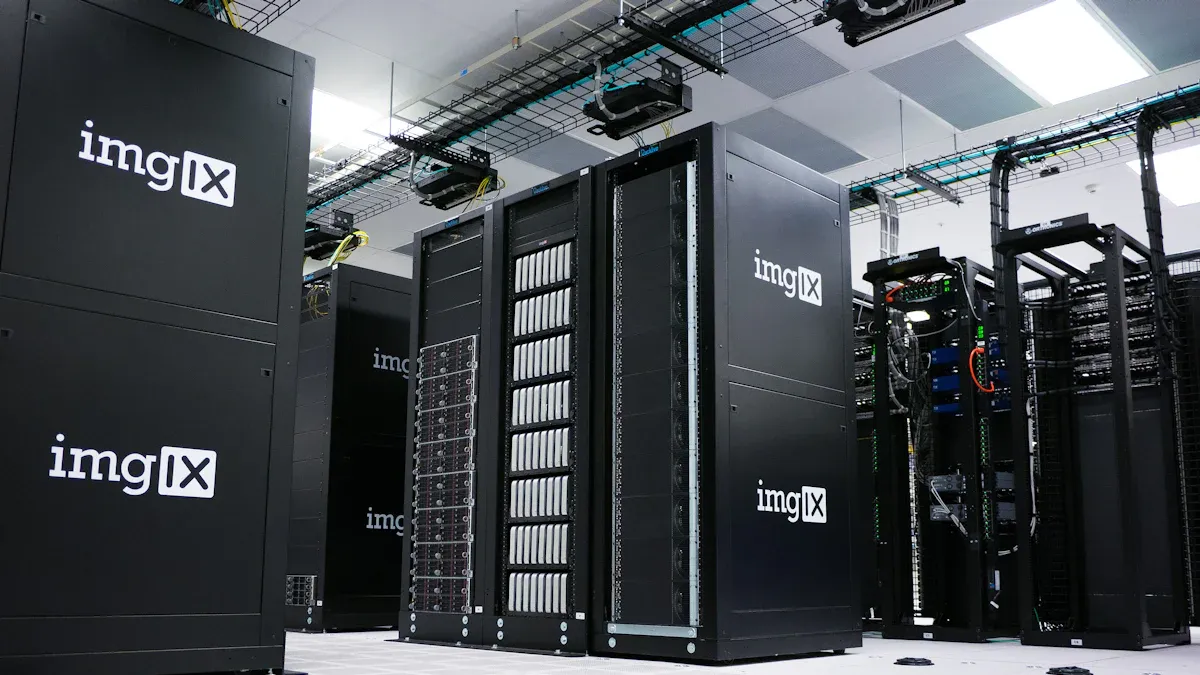
When I connect a generator to a data center, I check if it works with the uninterruptible power supply (UPS) system. I follow some important steps:
- I pick a generator that can handle the UPS load now and in the future.
- I remember that UPS systems lose some power and need extra for charging batteries.
- I make sure there is good airflow and enough room for repairs.
- I use the right wires, circuit breakers, and grounding for safety.
- I test everything with load banks and pretend there is a power failure before using it for real.
I always use automatic transfer switches (ATS) to change power fast. ATS can tell when the power goes out and moves the load to the generator in just a few seconds. This keeps servers working and stops data from being lost. ATS also checks if the power is good and makes the switch smooth, so equipment stays safe.
Paralleling and Load Sharing
Big data centers sometimes need more than one generator. Paralleling lets me connect many generators to share the work. I look at these things before I connect them:
| Requirement | Description |
|---|---|
| Frequency matching | I make sure the generator’s frequency matches the system. |
| Voltage control | I check that the generator voltage is the same as the bus voltage. |
| Phase sequence | I make sure all generators have the same phase order. |
| Phase angle | I keep the angle difference small before connecting. |
| Load sharing | I balance the work so each generator does its part. |
I use special switchgear to help with matching and sharing the load. I teach my team how to use these systems and keep them working well.
Remote Monitoring and Automation
I use remote monitoring to keep the data center running well. I have digital panels that send live data to my phone or computer. I can see engine status, fuel levels, and alarms from anywhere. This helps me fix small problems before they get worse.
Automation helps me a lot. The system can start the generator, run tests, and tell me if something is wrong. I keep track of all events and use them to make things better. With these tools, I make sure the data center generator is always ready to protect the data center.
Vendor Evaluation: LETON POWER and Industry Leaders
Reliability and Track Record
When I pick a data center generator vendor, I check a few important things. I want to know if the vendor has a good history of keeping power on, saving fuel, and giving help when needed. I use this table to compare what matters most:
| Criteria | Description |
|---|---|
| Uptime | High uptime ratings ensure continuous operation during outages. |
| Fuel Efficiency | Optimized fuel use saves money and reduces environmental impact. |
| Maintenance Needs | Easy access and strong support minimize downtime. |
| Scalability | Modular systems allow for future expansion. |
| Support Services | Comprehensive maintenance and technical support are essential. |
| Advanced Monitoring Systems | Monitoring features help track performance and prevent issues. |
| Warranty Coverage | Good warranty terms protect my investment. |
| Sustainability | Advanced emission controls support environmental goals. |
I always look at these things before I trust a vendor with backup power.
Support, Inventory, and Lead Times
I have seen that LETON POWER is very fast when sending out generators. Most other companies take much longer to deliver, but LETON POWER can give big generators in just 18 to 30 weeks. This speed helps me finish projects on time. LETON POWER also keeps many 2MW and 3MW certified generators ready, so I do not have to wait for them to be made. Their engineers answer quickly with plans and help, which makes it easy to add their generators to my data center.
Engine Partners and Global Reach
LETON POWER is a Chinese company that gives good prices and quality. I can pick engines from Cummins, Perkins, Weichai, Isuzu, and Kubota for my generator sets. For data center diesel generator sets, I often choose Dongfeng Cummins and Weichai Baudouin engines because they work well and last long. LETON POWER helps data centers in more than 30 countries, giving support and services all over the world. I know I can count on their skills and strong partners to keep my data center running all the time.
Cost and Maintenance Considerations
Total Cost of Ownership
When I get a data center generator, I think about all the costs for ten years. This helps me know the real price, not just what I pay at first. I use a table to show the main costs:
| Cost Component | Amount (PLN) |
|---|---|
| Purchase cost | 850,000 |
| Annual O&M costs | 42,500 |
| Annual fuel costs | 2,533,639 |
| Fuel storage costs | 10,000 |
| Oil/filter disposal costs | 4,000 |
| Emissions fees (potential) | 5,000 |
Fuel costs are the biggest part of the total. I always add maintenance, storage, and disposal costs to my plan. This helps me see how much I will spend to keep backup power ready.
Maintenance and Testing
I know that checking and testing the generator often is very important. I follow a strict plan to stop problems and make sure the generator works when needed.
Regular inspection and testing are indispensable parts of a generator maintenance program, ensuring the quality and performance of power generators.
I use a 24-month plan to prevent problems. This lowers surprise failures by 43%. I also do a yearly load bank test to see if the generator can run at full power for hours. This stops wet stacking and shows the generator is ready for real emergencies.
- I change oil and filters when the maker says to.
- I test coolant pH to keep the engine safe.
- I write down all tests and repairs.
These steps help my data center stay safe and avoid expensive downtime.
Fuel Efficiency and Operating Expenses
I always try to use less fuel and spend less money. I use different ways to save money and keep the generator working well:
| Strategy | Benefit |
|---|---|
| Annual load bank testing | Stops wet stacking and checks performance under load |
| 24-month preventive maintenance | Lowers surprise failures by 43% |
| Aligning oil and filter changes | Keeps the generator working well for longer |
| Using synthetic oils | Lets me wait 30% longer before changing oil |
| Training on-site staff | Means I do not need outside help as much |
By doing these things, I make sure my data center works well and backup power is always ready. I also save money by using less fuel and fixing things less often.
Installation and Best Practices
Site Preparation and Environmental Controls
Before I put in a data center generator, I get the site ready. I check if the ground is strong and dry. I use concrete pads so the generator does not sink. I keep the generator away from floods and dusty places. I put up barriers to stop wind and rain. I set up vents to move out heat and fumes. Good airflow helps the generator stay cool and safe. I use soundproof covers to make less noise for workers and neighbors.
Routine Testing and Preventive Maintenance
Routine tests help keep the generator ready for emergencies. I run the generator every month to find problems. I use load banks to test it like in real life. I check fuel, oil, and coolant before each test. I look for leaks and worn parts. I follow the maker’s plan for maintenance. I change filters and fluids when needed. I keep spare parts close for fast repairs. These steps help stop downtime in the data center.
Tip: I always write down every test and repair in a logbook. This helps me see problems early and fix them fast.
Documentation and Training
I keep all manuals and wiring diagrams safe. I update papers after any change or upgrade. I teach my team how to use and care for the generator. We practice what to do in emergencies with drills. I show staff how to spot warning signs and act fast. Good training and clear papers help everyone work quickly in a power outage. This keeps the data center safe and running.
When I pick a data center diesel generator, I use a simple guide. I check if the generator is reliable and follows rules. I also see if it saves money. I look at the price to buy and the cost to run it. I remember extra costs like fuel cleaning and yearly tests. Emergency standby power helps keep the data center safe and working. LETON POWER gives quick help and solutions all over the world. I follow this checklist:
- Make sure the generator meets power needs.
- Check if it has the right certifications.
- Plan for backup and future growth.
- Look at how often it needs care and tests.
- Ask experts for advice.
I always listen to experts so my data center generator fits every need.
FAQ
What size generator do I need for my data center?
I calculate the total IT load, add power for cooling and lights, then multiply by the PUE. I always add extra for future growth. This helps me pick the right size for my data center generator.
How often should I test my generator?
I run a monthly test under load. I also do a yearly full-load test with a load bank. These tests help me find problems early and keep the generator ready for emergencies.
What certifications should I look for?
I check for UL 2200 for generator safety, UL 142 for fuel tanks, and ISO 8528-G3 for performance. These certifications show the generator meets strict safety and quality rules.
How long can a diesel generator run during an outage?
I size the fuel tank for at least 24 to 72 hours of run time. I check local rules and plan for refueling if the outage lasts longer. This keeps the data center running without interruption.
Can I monitor my generator remotely?
Yes, I use remote monitoring systems. These let me see engine status, fuel levels, and alarms from anywhere. I can fix small problems before they become big issues.

